
Which is the Best Boat Material?

Aluminium
Aluminium is available in a range of gauges (thicknesses). Commonly used is some combination of 3-8mm marine aluminium sheet, depending on the size of the boat. Heavier gauges are typically used for larger craft, and lighter gauges for pontoon construction. Usually, the bottom is the heaviest, with lighter sides, and the topsides are lighter again. This keeps the weight and centre of gravity low and helps the stability and ride.
The majority of hardcore fish-and-dive machines tend to be aluminium because they can be easily altered for specialist needs and are perceived to take the wear and tear of fishing better.
Aluminium is generally perceived as simple to work with. Aluminium boats can be easily customised by cutting and welding, so one-off items may be fabricated without having to spend a whole heap of money and time making new moulds. This makes it easier to build a hull to a customer’s requirements if they have specialist fishing or cruising needs.
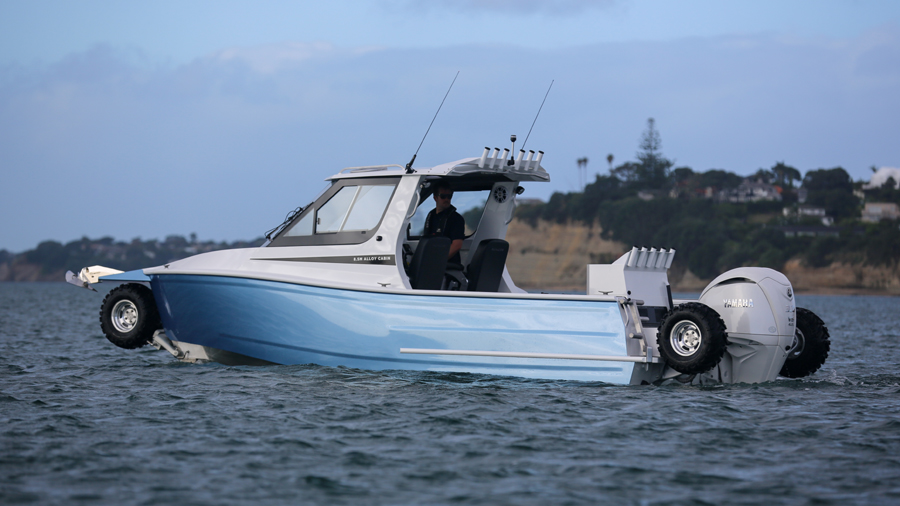
Aluminium pros:
• Generally lighter construction
• Can be ballasted to add weight to improve rough water performance
• Easy to customise
• Less susceptible to sinker, lure, stone and general impact damage
• Can be run up a beach with less fear of damaging the hull
Aluminium cons:
• Potential for electrolysis – where two dislike metals are in contact
• Noisier
• Colder, especially when overnighting
• Can suffer more from outboard vibration
• More susceptible to heeling when being driven into a side wind
• Can be rougher riding than fibreglass or plastic hulls
Fibreglass
Fibreglass (technically glass-reinforced polyester – GRP) is said by its supporters to be better-looking, quieter and softer riding, while metal-heads reckon aluminium is lighter, harder wearing, and that a well-made ‘tinny’ can also look good and ride well.
Because of the cost of developing specialist hull moulds for fibreglass boats, many of them (but not all) are designed to be all-rounders/family boats. They are not as easily customised, each feature requiring a separate mould.
Fibreglass boats are normally constructed using a hull laid over internal stringers to which the topsides, constructed separately, is attached. Hardtops are moulded separately then added. Because of the construction method, once the mould is perfected, then every hull comes out the same.
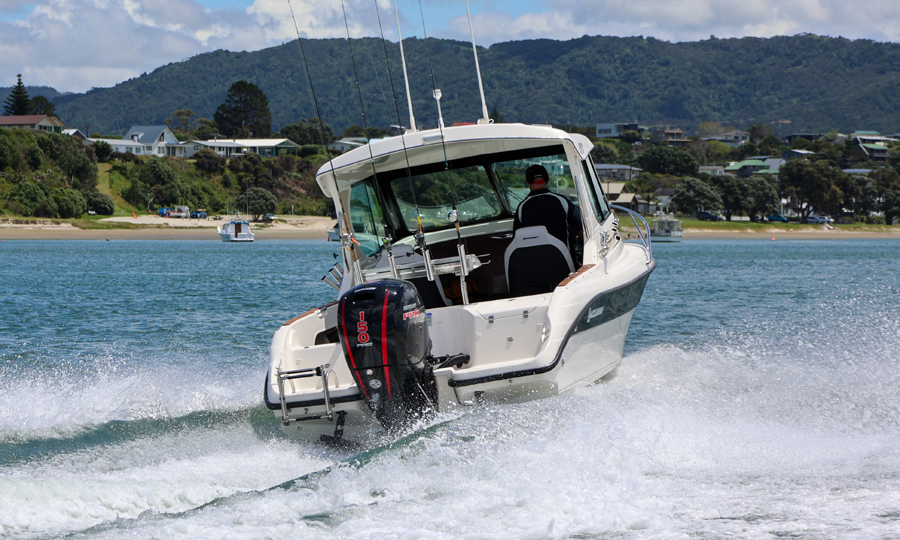
Fibreglass pros:
• Generally softer riding
• Less noisy, especially when overnighting when there is chine slap
• Warmer
• No worries about dissimilar metals contacting each other causing electrolysis
• Ability to have more rounded lines
Fibreglass cons:
• Not as easily customised – greater reliance on bolt-on accessories.
• Damage not as easily repaired
• More care needed when beaching
• Potential for osmosis in older hulls
• Gelcoat needs occasional cut and polish to keep in top condition
• Susceptible to ‘dings’ from stones, metal lures and sinkers
Plastic
Most of these craft are constructed using the rotational moulding process which results in a durable finish that will take the everyday knocks and bangs better than either fibreglass or alloy craft.
Like fibreglass boats, any features need to be created in the mould itself. Rotationally moulded boats are popular with people who like to net for the likes of flounder due to their smooth gunwales. Duck shooters also like them as shooting platforms because they can be produced in ‘camo’ colours.
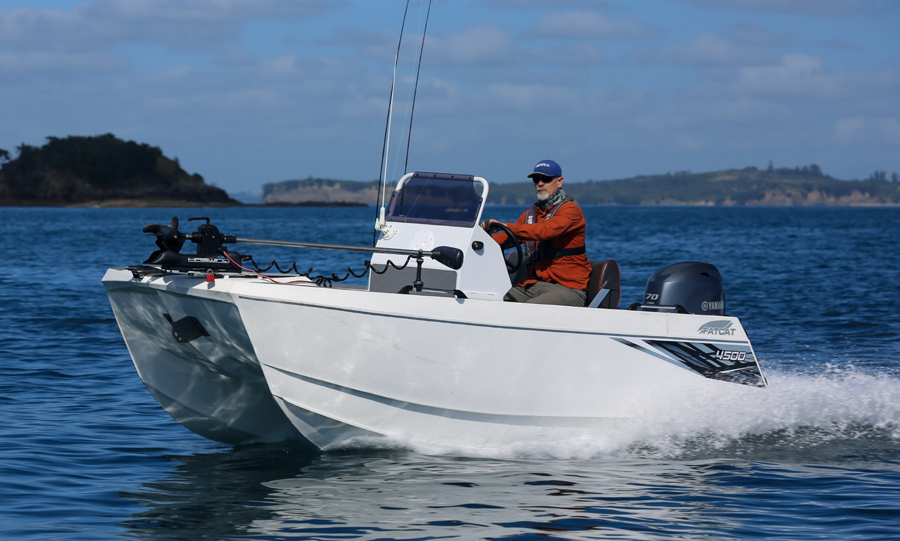
Plastic pros:
• Lightweight
• Hard-wearing
• Generally smooth-riding
• Can be less expensive
Plastic cons:
• If non-rotationally moulded, hulls may be structurally compromised
• Not as easy to customise (e.g. rod holders)
• Might not hold their re-sale value as well as other boat styles
Wood
Wood is the classic boat-building material, although it’s not used for production trailer boats these days. Although some of the old classics can be works of art, be cautious when buying second-hand or home-built wooden boats, as there are plenty of pitfalls. Unless you are experienced in dealing with wooden boats, it is recommended that you seek advice from someone who is.
People who build their own wooden boats at home vary widely in skill, their construction techniques and the materials they use. Older or home-built wooden boats are often constructed from wood planks or plywood. Single-layer wood may be of ‘lap strake’ construction or have any gaps between the planks filled with caulking of some type. Double and triple-layer plank construction runs the grain in different directions for additional strength, but older boats may have used animal-based glues between the layers, which can delaminate in time.
Likewise, there is a wide range of plywoods on the market. Boats need to be built from marine ply (with waterproof glue and minimal core voids) and all wood will need to be well protected with a GRP skin (‘glass over ply’) or proper marine paints and finishes to prevent water intrusion and subsequent rot.
- NZ Fishing News
Recent Forum Posts Visit Forum

Trailer wheel clamp
in The Boat Shed3 hours ago
krow
I like the SAS wheel clamp. I've had no issues with the lock....

Shane Jones
in Fisheries Management6 hours ago
Fish Addict
The recreational sector can expect no favours from politicians. They know all too well who butters their bread and it ain't the recs. No different over...

Foton tunland v9
in The Briny Bar6 hours ago
Ho Dee
not fishing related and delete if required but was wondering if any has one of these or someone who has just wanting so e real world...

Bluefin Tuna at the cavs.
in The Briny Bar53 hours ago
smudge
Despite my years of fishing I haven't really fished many places, my focus has always been on Auckland's west coast and out toward Great Barrier. I...
Casting gloves
in Popper and Topwater Fishing98 hours ago
Mc Tool
100 bucks for a lure 😬. Watching one of them flying over the horizon without the line attached would be " character building " for sure...
I thought Id post some nice photo's , join...
in The Briny Bar149 hours ago
Alan L
That is a very cool pic Krow.The Far North is very cool, the Far far North even cooler. Mint looking day.Alan...

Mc Tools berley mincer
in The Briny Bar156 hours ago
SaltyC
Good size, they scrap well. Got an 18kg one up in Vava'u back a few years ago fishing off squeaky Going's boat. That was quite a...

Out with the "Twelves"
in Fishing Reports210 hours ago
Pcj
I should be able to get out end of October. The nephew been out virtually every weekend over winter and has done well. It seems the...
Manukau Harbour & West Coast fishing
in Fishing Reports218 hours ago
smudge
Nice work Schecter, I think snapper may be around sooner than you think. Well I am hoping so...
Whangarei Harbour report.
in Fishing Reports650 hours ago
krow
180 +m is where I've had to be lately. A lot less low foul around these parts and some of it shallower that looks like Tarakihi...

Popular Articles

Softbait Fishing - Part 1 - gear selection
John Eichlesheim writes an article about selecting the right equipment for softbait fishing... Read More >
Softbait fishing Pt 2 - tips and tricks
Techniques, tips and tricks of softbait fishing – getting the most from your soft baits.... Read More >

Surfcasting - setting yourself up
Gary Kemsley helps sort out the necessary gear for intending surf fishers.... Read More >

Squid - How to catch them
Squid fishing is a rapidly growing aspect of fishing - Paul Senior shares some hints and tips to get started.... Read More >
Fishing Reports Visit Reports
Outer Hauraki Gulf Fishing Report 17/09/26
Spring wind the handbrake. Spring is starting to make its presence felt in the outer... Read More >
Top of the South Fishing Report - 17/09/26
Early snapper in Tasman Bay. Well, spring is finally here, and the days are getting... Read More >
Bream Bay Fishing Report - 17/09/26
Good snapper catches reported. After Tangaroa turned off the fish tap for a month or... Read More >
Bay of Islands Fishing Report - 17/09/26
Pacific bluefin tuna for the lucky few. The last fortnight has seen more fishable days... Read More >
Comments