
Scuba Diving - A Pictorial View

Photography essay on the underwater flora and fauna of New Zealand...
Scuba is a portal to another world. Each dive offers a new adventure, and you never know what to expect when you drop beneath the waves. Whether it’s exploring a dark sea cave full of tidal surge throwing you all over the place while you meticulously check every crack and crevice to see what mysterious creatures might lurk within, or you’re embarking on a simple mission to wrangle some crayfish for dinner, the underwater realm never fails to amaze.
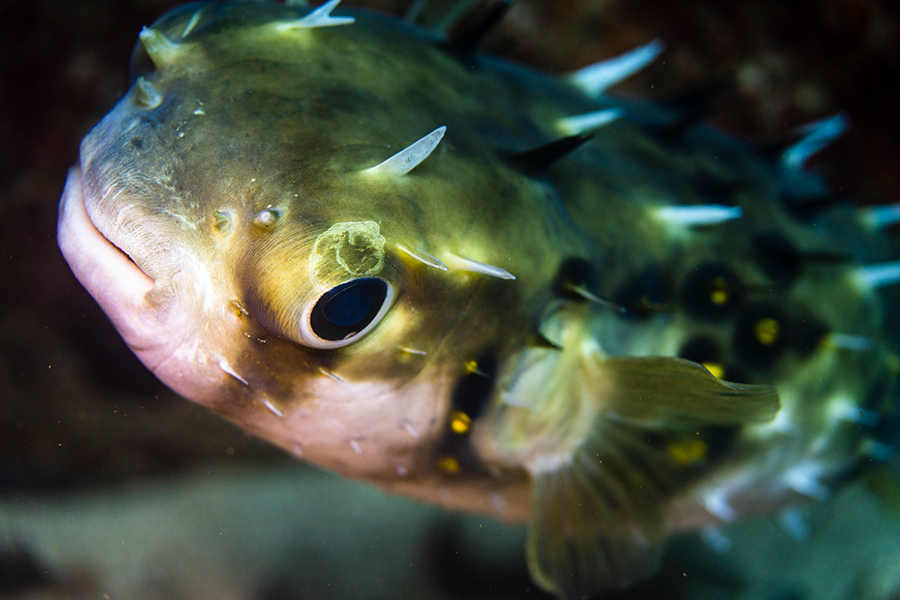
The decision to get scuba certified during high school was by far one of the best choices I have ever made. It deepened my appreciation for the aquatic environment and has proven to be a remarkable way to experience and indulge in parts of our beautiful country that most people don’t ever get to see first-hand. This profound appreciation and connection ultimately influenced me to study marine sciences, to contribute to helping monitor, preserve, and protect our wild oceans.
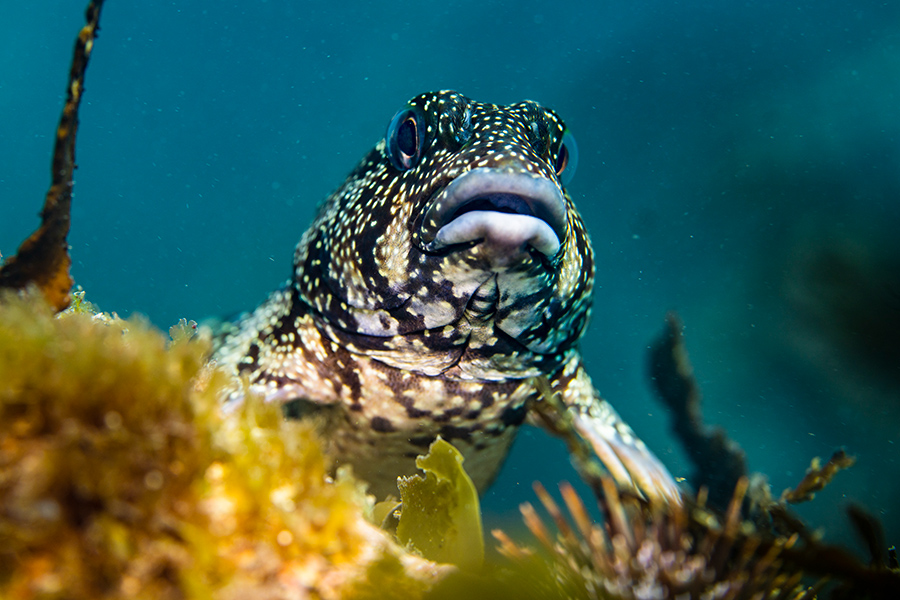
Underwater photography serves as a bridge between the hidden depths and the land-dwelling world. Through our lens, we have the power to capture fleeting moments and share the essence of these interactions with the greater population – inspiring others to appreciate and protect these fragile ecosystems. The variety of biota that presents itself underwater is beyond extensive. Marine fauna and flora are each unique in their own appearance and play a vital role in the intricate web of the ecosystem.
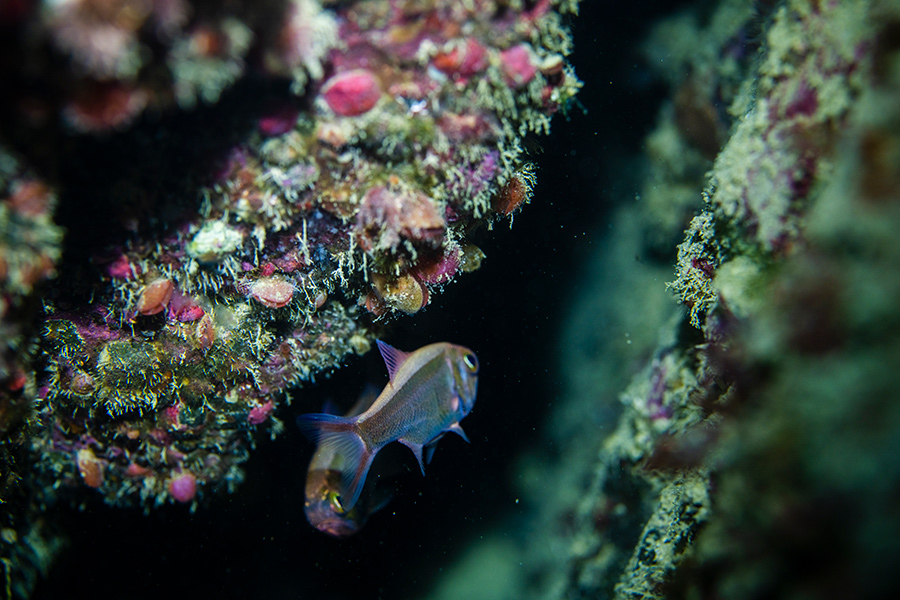
Macro photography and diving go hand-in-hand; it is best described as swimming around with a magnifying glass, allowing you to get an up-close-and-personal perspective on the shimmering eyes of a curious octopus or the frown of a flounder. The ability to document the underwater world through photography enables us to identify the fascinating subjects we encounter and engage in conversations with fellow enthusiasts when we’re back on the surface. With each click of the shutter, we immortalise a moment that becomes a starting point for storytelling and exchange, fuelling curiosity and deepening our connection to nature.
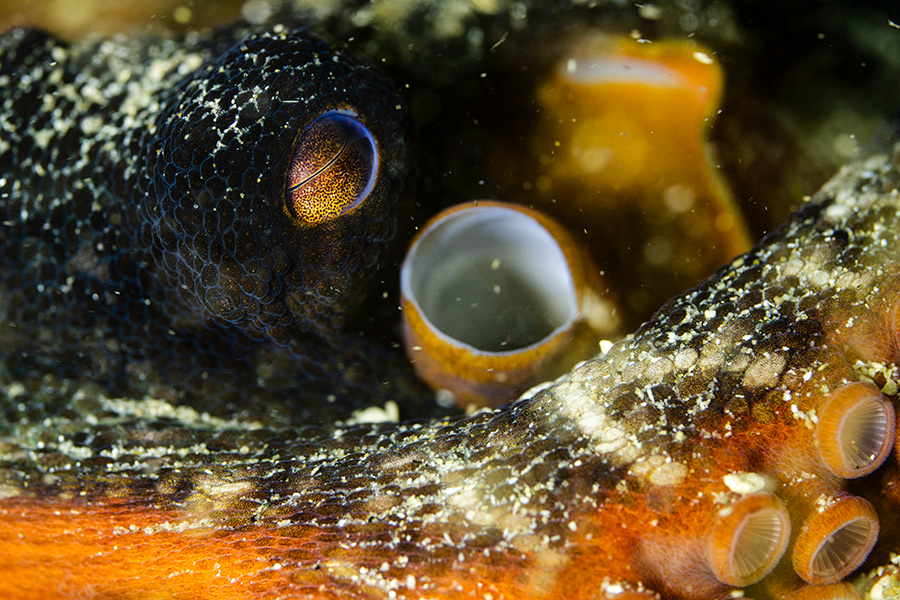
Underwater photographers are faced with their fair share of challenges resulting from shooting through a different medium when compared to top-side shooting. From the moment you first submerge your camera housing underwater, each dive is nerve-racking. Placing trust in O-rings to protect your expensive electronic investment, you conduct a bubble check on the surface – watching for any signs of a potential leak – before deflating your buoyancy control device and dropping below the turbidity of the surface into peaceful weightlessness.
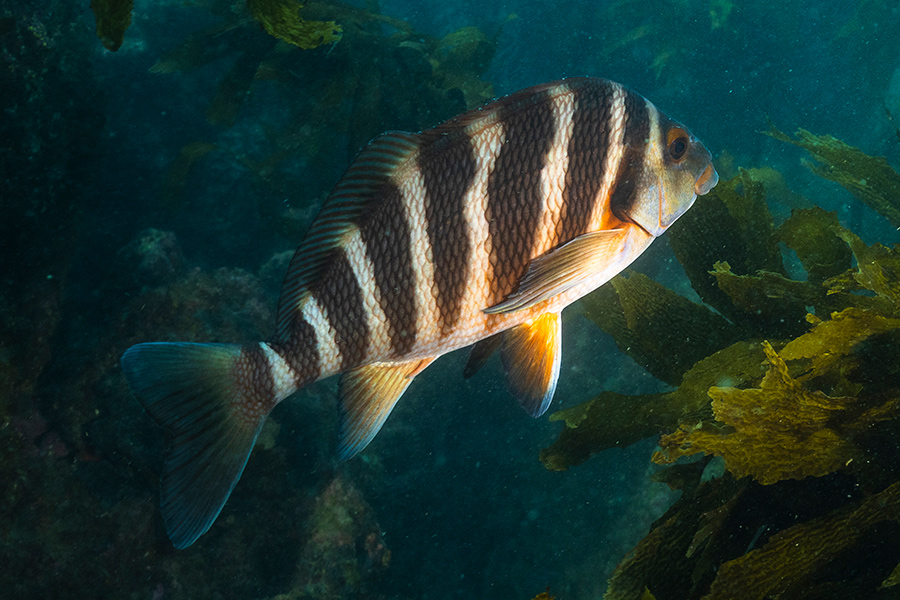
Colours behave in weird ways. They vary with depth as the spectrum of light is filtered through the water column, changing the once bright and beautiful hues to dark and dull shades of browns. To remedy this, artificial light must be introduced into the scene, overpowering ambient light, and allowing us to see the true, vivid colours of marine species.
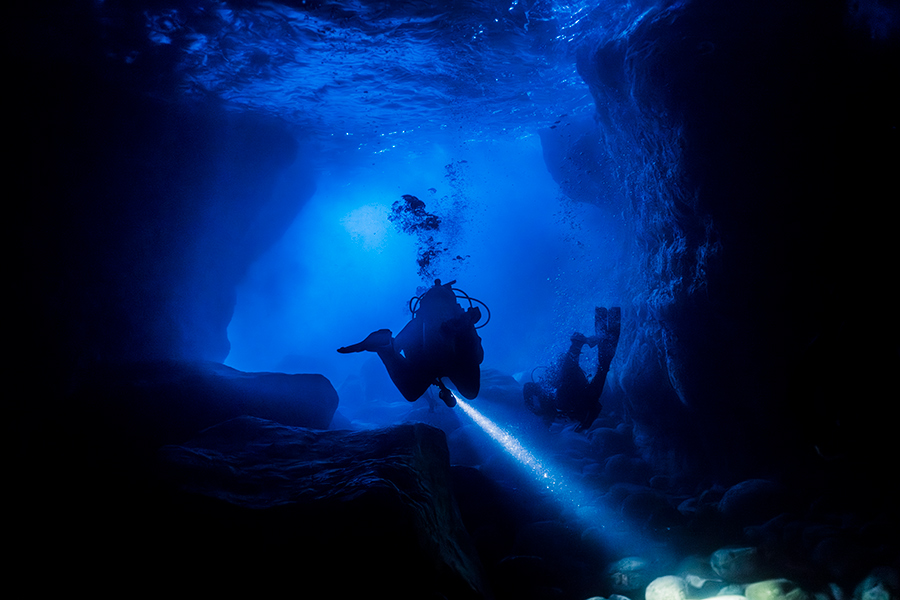
Our oceans are in a constant state of flux. There is a continuous shift in population dynamics resulting from human-induced harm occurring at an unnatural rate. It becomes the role of ocean lovers to become ambassadors for their preservation. By sharing our passion for diving, underwater photography, and the mysteries of the ocean, we aim to spread awareness of what lives below and invite the masses to join us in this crucial journey of exploration and conservation. In doing so, we can ensure that the ocean’s story lives on, inspiring awe and stimulating a deep sense of stewardship for generations to come.

August 2023 - Richard Merriman
New Zealand Fishing News Magazine.
Copyright: NZ Fishing Media Ltd.
Re-publishing elsewhere is prohibited
Recent Forum Posts Visit Forum

Shane Jones
in Fisheries Management10 hours ago
Tzer
Far cry to the twats at Liegasea/NZSFC were proposing of 5 Tarakihi person in their submission for the central management area and this is what our...

Bluefin Tuna at the cavs.
in The Briny Bar30 hours ago
smudge
Despite my years of fishing I haven't really fished many places, my focus has always been on Auckland's west coast and out toward Great Barrier. I...

Casting gloves
in Popper and Topwater Fishing75 hours ago
Mc Tool
100 bucks for a lure 😬. Watching one of them flying over the horizon without the line attached would be " character building " for sure...
I thought Id post some nice photo's , join...
in The Briny Bar126 hours ago
Alan L
That is a very cool pic Krow.The Far North is very cool, the Far far North even cooler. Mint looking day.Alan...

Mc Tools berley mincer
in The Briny Bar133 hours ago
SaltyC
Good size, they scrap well. Got an 18kg one up in Vava'u back a few years ago fishing off squeaky Going's boat. That was quite a...

Out with the "Twelves"
in Fishing Reports187 hours ago
Pcj
I should be able to get out end of October. The nephew been out virtually every weekend over winter and has done well. It seems the...
Manukau Harbour & West Coast fishing
in Fishing Reports195 hours ago
smudge
Nice work Schecter, I think snapper may be around sooner than you think. Well I am hoping so...

Whangarei Harbour report.
in Fishing Reports627 hours ago
krow
180 +m is where I've had to be lately. A lot less low foul around these parts and some of it shallower that looks like Tarakihi...
Whangarei Harbour Scallops
in Fisheries Management737 hours ago
Pcj
Reopening WhangÄ쳌rei Harbour to recreational scallop fishingTÄ“nÄ쳌 koeFisheries New Zealand is seeking feedback from tangata whenua, stakeholders, and the public on whether WhangÄ쳌rei Harbour should be...
SNA1 Recc fishing cops the blame.
in Fisheries Management833 hours ago
Tzer
What Liegasea won’t tell you is that some of their own fisheries contractors were co-authors of this study for fear of being called hypocrites, one of...
Popular Articles

Softbait Fishing - Part 1 - gear selection
John Eichlesheim writes an article about selecting the right equipment for softbait fishing... Read More >
Softbait fishing Pt 2 - tips and tricks
Techniques, tips and tricks of softbait fishing – getting the most from your soft baits.... Read More >

Surfcasting - setting yourself up
Gary Kemsley helps sort out the necessary gear for intending surf fishers.... Read More >

Squid - How to catch them
Squid fishing is a rapidly growing aspect of fishing - Paul Senior shares some hints and tips to get started.... Read More >
Fishing Reports Visit Reports
Outer Hauraki Gulf Fishing Report 17/09/26
Spring wind the handbrake. Spring is starting to make its presence felt in the outer... Read More >
Top of the South Fishing Report - 17/09/26
Early snapper in Tasman Bay. Well, spring is finally here, and the days are getting... Read More >
Bream Bay Fishing Report - 17/09/26
Good snapper catches reported. After Tangaroa turned off the fish tap for a month or... Read More >
Bay of Islands Fishing Report - 17/09/26
Pacific bluefin tuna for the lucky few. The last fortnight has seen more fishable days... Read More >
Comments