
Pacific Fish Species (Part Two)
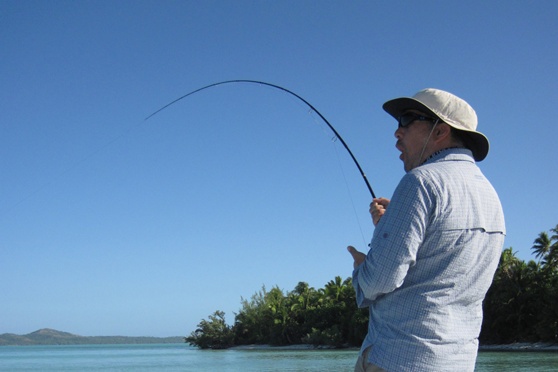
Mark Kitteridge continues to count down his top 10 Pacific fish species...
Previously, I counted down five of my favourite Top 10 Pacific Islands species; this time we continue down to first place. But, as I mentioned last time, I strongly suspect that different personal experiences and inclinations could easily have seen any one of the leading eight assume the top position instead – there are certainly strong and valid arguments to support them all!
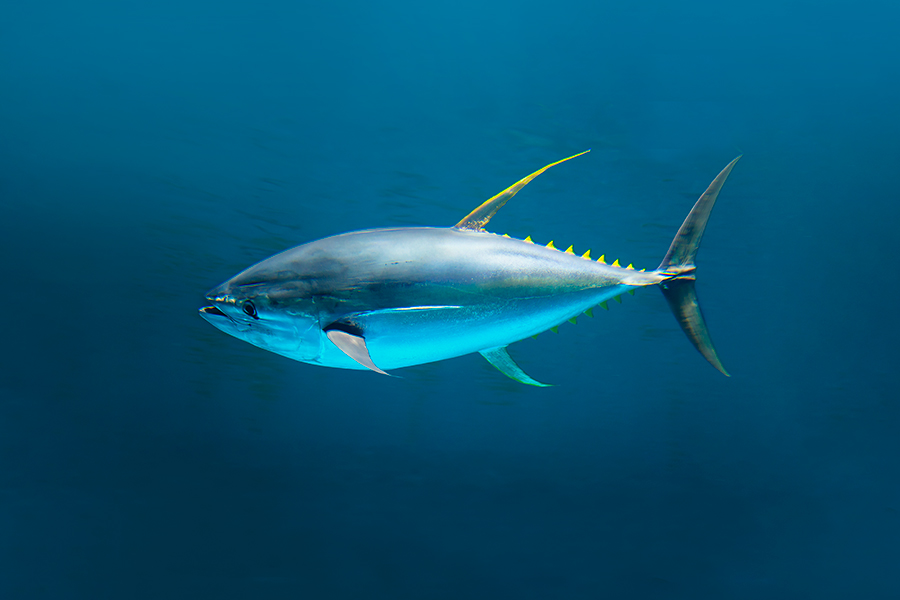
5: Yellowfin tuna
Yellowfin are a great case in point. I love fishing for them, so placing them in the Number Five spot makes me feel as if I’m betraying a special friend!
The reasons for this passion are many, including: yellowfin can be targeted using a wide variety of techniques (i.e. trolling, live-baiting, cubing, jigging and casting top-water lures); they provide blisteringly fast runs along with never-say-die fights; and they’re sensational to eat when treated correctly.
Indeed, when counting down my New Zealand Top 10 a few months ago, yellowfin tuna were among the top candidates, and they’d probably have been Number One if they were still around in the same numbers we enjoyed 20-30 years ago while regularly fishing out of Whakatane and Waihau Bay.
It is therefore a testament to the calibre of the fish species available in the Pacific that these tuna are not higher on this list either (and perhaps to the fact I never consistently found suitable live bait to target them).
However, on the plus side, I have brought aboard some real donkeys to almost 70kg when trolling skirted lures overseas and enjoyed spectacular topwater action when casting poppers and stickbaits. The explosive strikes provoked using the latter method will stay with me always! Yet, interestingly, the most satisfaction has come from teaching several Pacific Island charter crews how to cube for yellowfin (having learned from the best in New Zealand, including Rick Pollock, Steve Haddock and Grant Mills). Some truly sensational fishing resulted from these sessions, especially in Fiji and Tonga, and I was very sorry to have to pack my bags and leave the latest cubing graduates to it afterwards!
4: Bonefish
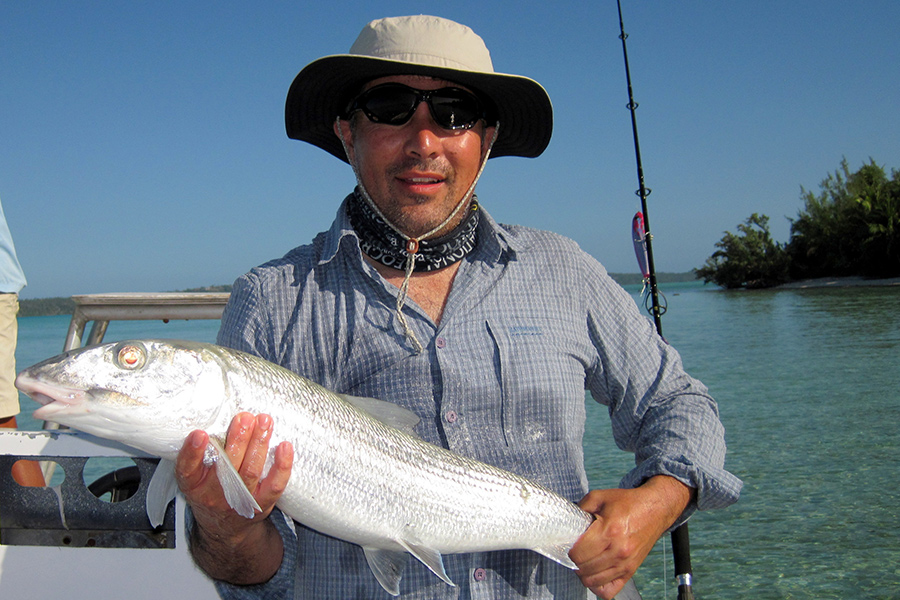
For anglers who have never fished for ‘bones’, I can understand why it would be hard to fathom how this species could possibly be ahead of yellowfin tuna (let alone be nipping at the heels of three other legendary tropical species!), especially as any bonefish over 10lb is considered a trophy and the IGFA All Tackle Record for this fish is under 20lb. Yet, for me, the bonefish deserves this spot!
Often referred to as the ‘ghost of the flats’, bonefish have silvery-chrome sides that reflect their environment, making them extremely difficult to see. Indeed, it’s more usual to see the bonefish’s shadow over the sea floor rather than the actual fish. So, add cloudy conditions and/or a wind-ruffled sea surface, and it’s an understatement to say these fish can be challenging to spot!
But seeing them is just the beginning. Bonefish can also be super spooky. Consequently, approach them noisily or from the wrong sun angle, or splash your diminutive offering too close by or clumsily, and they’re gone in a puff of sediment and a rapidly accelerating wake.
Although bonefish will take small baits and lures, the purist uses flyfishing tackle to make the most of the experience. On my first bonefish outing, I soon got to see why. My opening salt fly bonefish hook-up saw the fly-line whip up off the punt’s deck, loop around my reel and break off inside a handful of seconds – and the 10 or so bites that followed didn’t end much better. But persistence finally saw my shrieking reel rotating in a blur as a 3.5kg model headed off like a turbo-charged missile for over 200 metres! How can such a small fish do that? Bonefish really are special.
3: Blue (and black) marlin
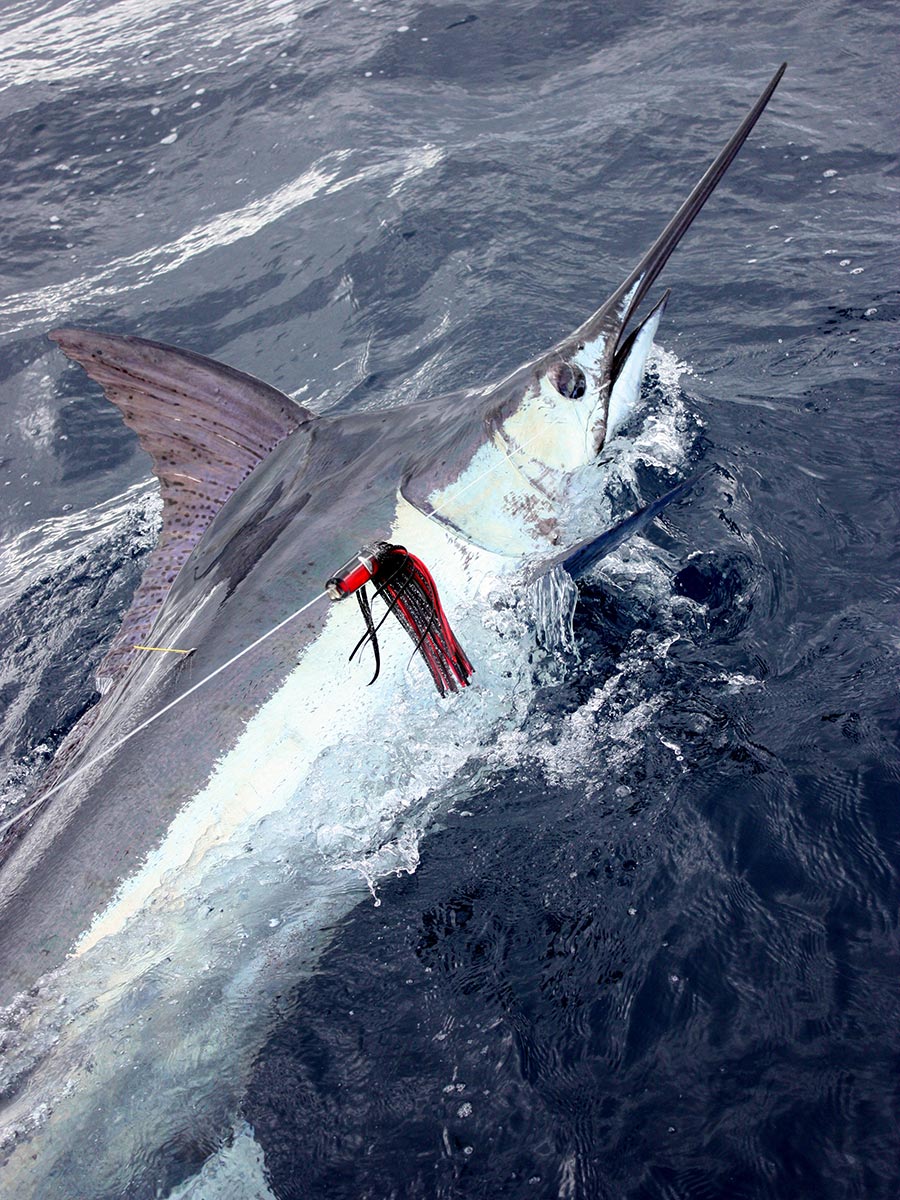
Obviously, marlin – especially the biggest of the various species, such as blue and black – will justifiably occupy the top spot for most sport fishers, but this is my list so they come in at Number Three!
Yes, I love their often-huge size, the excitement of the bite, their immense power and the often crazy acrobatics provided, and that a successful capture is often a team effort between angler, skipper and deckie, perhaps also urged on by fishing friends or acquaintances. Nor does it hurt that most anglers must often endure a reasonable wait beforehand, making the eventual hookup and fight even more appreciated and memorable. And – speaking from a personal viewpoint – I love how we can let these impressive beasts go afterwards. Seeing them slip silently back into the azure depth accompanied by cheers and yahoos back on board is a simple but exhilarating pleasure.
However, being seated in a fighting chair is a big minus for me, especially if the gear is 60kg, as that’s too much like a crane I reckon. Instead, I love using stand-up gear to 37kg, as this allows me to move around when necessary and determine my own fortunes to a much greater degree. Having said that, I realise some marlin are so big they might never be landed on gear less than 60kg, but I’ll take my chances!
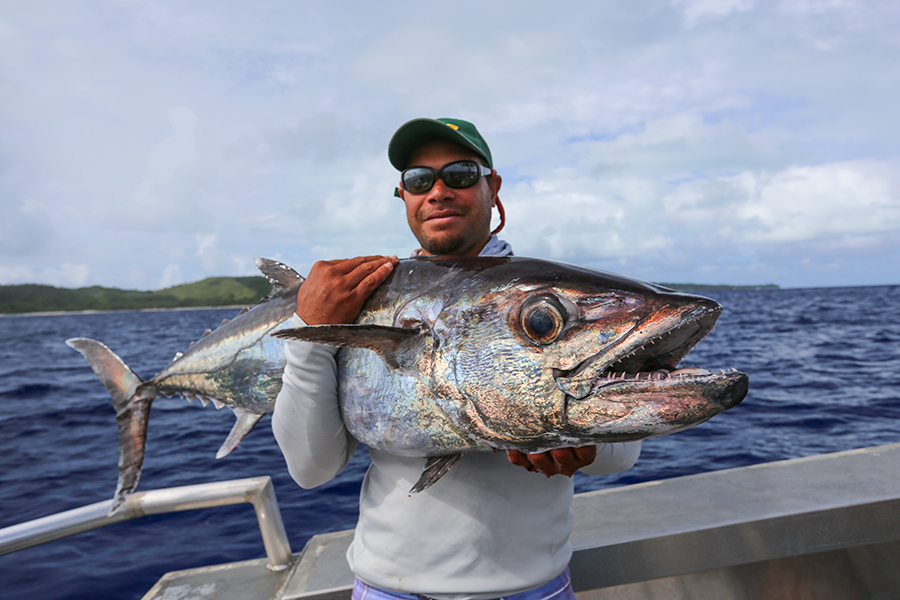
2: Dogtooth tuna
What a fish! Dogtooth really are impressive. I found myself introduced to them by Rick Pollock in Aitutaki around 30 years ago when he hooked one whilst jigging for ‘black trevally’ on a nearby boat. This doggy was a big one, and the odds were against him, with the jig tied directly to his 350-metre load of 15kg mainline. When we motored over to see why he was prancing around from one side of the boat to the other, it turned out he had clamped down on the few strands of nylon that remained on the spool and was now relying on the line’s stretch to stay in the game – along with more than a little experience fighting big fish! And that proved sufficient, with a spectacular monster of 58kg eventually being brought on board!
Since then, I’ve encountered dogtooth in virtually all the various Pacific Islands, and been broken off more times than I’ve been successful, especially in the lightly fished or unfished areas, where dogtooth can exceed 150-200lb!
While some of the largest dogtooth I’ve ever seen effortlessly inhaled whole skipjack tuna being trolled around Hat Island in Vanuatu (all of which ended badly), most of my dogtooth experiences have occurred while jigging in 70-120m depths.
I often find dogtooth strikes on jigs to be very misleading. Initially there is just a small amount of resistance, seemingly as if a little tropical ooglie has been foul-hooked. However, after cursing with disappointment for a few seconds the weight steadily comes on, and soon after everything goes unstoppably into reverse, no matter what the drag pressure set, especially if the doggy’s a big unit. It then becomes a case of hanging on and hoping that the toothy bulldozer doesn’t find something sharp to cut the line off on, perhaps whilst also trying to lead it out into deeper water with the boat.
The only disappointing aspect is that not many dogtooth are caught on topwater tackle (I have just one on a popper to my name), and that’s why my number one favourite Pacific fish is the…
1: Giant trevally
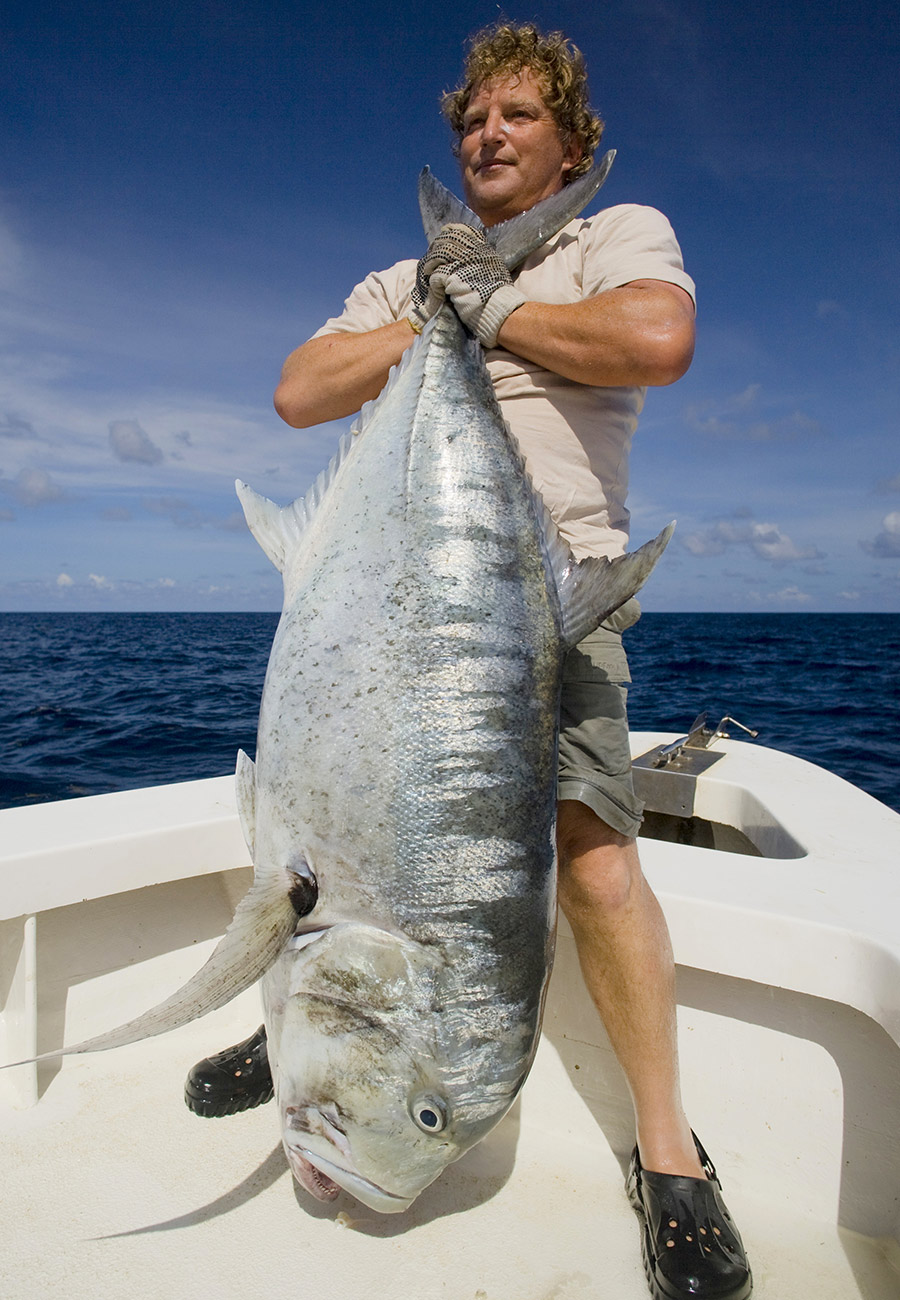
There is plenty to like about fishing for giant trevally, also known as GTs. For a start, they are reasonably plentiful (especially now that the high risk of ciguatera has made them catch-and-release only in many areas), they grow to over 100 pounds (45kg), and are very aggressive lure takers. For me, nothing beats casting poppers along the coral edges, around coral bommies or nearby schools of fusiliers, one of their favourite baitfish. And although I’ve now caught hundreds of them, I never tire of their dark shapes storming in towards my lure, their high forehead often becoming exposed prior to my lure disappearing in white explosions of foam.
Although my biggest GT was taken while targeting dogtooth with a 450g jig and weighed 100lb, I feel prouder of a popper-caught one around 40 kilos which interrupted a bonefish flyfishing session. Fortunately, my guide spotted it coming towards us and I made a good cast that resulted in the Williamson Jethead popper blooping just a couple of feet in front. How could the GT resist such an easy meal? A savage crunching strike resulted in a solid hook-up, and just seconds later my guide Etu Davy had us in hot pursuit, zigzagging in and out of the lagoon shallows in response to the dark form charging around looking for various lumps and spikes of jagged coral to bust the line off on. At this point I’d started wishing my braid was more than 60lb (but at least it was better than 50lb!) and although my 6’6” spinning rod hadn’t been the greatest caster, the shorter-than-usual length was now helping me to control and lift the fish.
Ten minutes later I was cradling that lovely fish in the crystal-clear shallows for a quick photo session prior to releasing it – something I’ll always treasure and never forget.

October 2023 - Mark Kitteridge
New Zealand Fishing News Magazine.
Copyright: NZ Fishing Media Ltd.
Re-publishing elsewhere is prohibited
Recent Forum Posts Visit Forum

Shane Jones
in Fisheries Management1 hour ago
smudge
Who else do we have? 100,000 rec fishers all wanting something different? Ohhh and 900,000 that couldn't care less....

Trailer wheel clamp
in The Boat Shed10 hours ago
Mc Tool
either crc long life or 556 marine are way better ...

Foton tunland v9
in The Briny Bar25 hours ago
Ho Dee
not fishing related and delete if required but was wondering if any has one of these or someone who has just wanting so e real world...
Bluefin Tuna at the cavs.
in The Briny Bar72 hours ago
smudge
Despite my years of fishing I haven't really fished many places, my focus has always been on Auckland's west coast and out toward Great Barrier. I...
Casting gloves
in Popper and Topwater Fishing116 hours ago
Mc Tool
100 bucks for a lure 😬. Watching one of them flying over the horizon without the line attached would be " character building " for sure...
I thought Id post some nice photo's , join...
in The Briny Bar167 hours ago
Alan L
That is a very cool pic Krow.The Far North is very cool, the Far far North even cooler. Mint looking day.Alan...

Mc Tools berley mincer
in The Briny Bar175 hours ago
SaltyC
Good size, they scrap well. Got an 18kg one up in Vava'u back a few years ago fishing off squeaky Going's boat. That was quite a...

Out with the "Twelves"
in Fishing Reports229 hours ago
Pcj
I should be able to get out end of October. The nephew been out virtually every weekend over winter and has done well. It seems the...
Manukau Harbour & West Coast fishing
in Fishing Reports237 hours ago
smudge
Nice work Schecter, I think snapper may be around sooner than you think. Well I am hoping so...

Whangarei Harbour report.
in Fishing Reports669 hours ago
krow
180 +m is where I've had to be lately. A lot less low foul around these parts and some of it shallower that looks like Tarakihi...
Popular Articles

Softbait Fishing - Part 1 - gear selection
John Eichlesheim writes an article about selecting the right equipment for softbait fishing... Read More >
Softbait fishing Pt 2 - tips and tricks
Techniques, tips and tricks of softbait fishing – getting the most from your soft baits.... Read More >

Surfcasting - setting yourself up
Gary Kemsley helps sort out the necessary gear for intending surf fishers.... Read More >

Squid - How to catch them
Squid fishing is a rapidly growing aspect of fishing - Paul Senior shares some hints and tips to get started.... Read More >
Fishing Reports Visit Reports
Outer Hauraki Gulf Fishing Report 17/09/26
Spring wind the handbrake. Spring is starting to make its presence felt in the outer... Read More >
Top of the South Fishing Report - 17/09/26
Early snapper in Tasman Bay. Well, spring is finally here, and the days are getting... Read More >
Bream Bay Fishing Report - 17/09/26
Good snapper catches reported. After Tangaroa turned off the fish tap for a month or... Read More >
Bay of Islands Fishing Report - 17/09/26
Pacific bluefin tuna for the lucky few. The last fortnight has seen more fishable days... Read More >
Comments