
Fish Handling Techniques
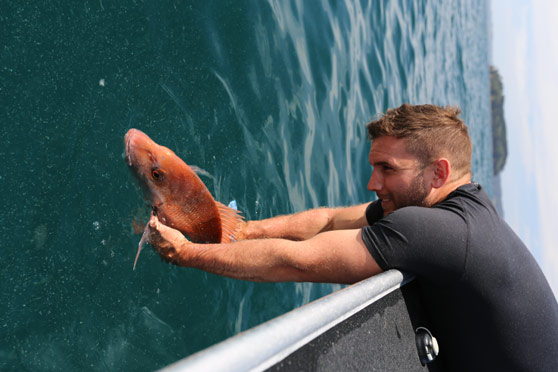
Responsible fishing
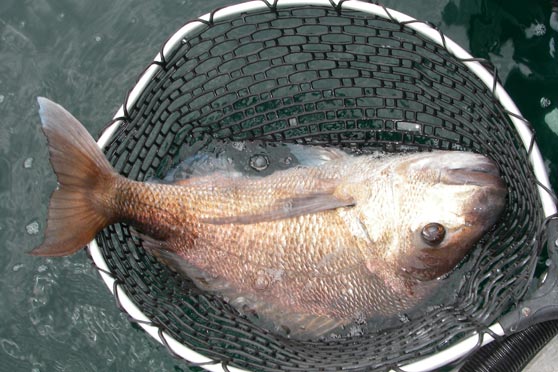
Avoid catching undersized fish
Don't high grade
Depth matters
Handle fish responsibly
Catch fish not birds
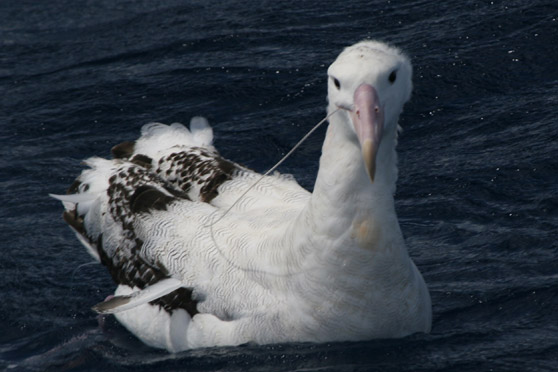
Move on
Recent Forum Posts Visit Forum

Shane Jones
in Fisheries Management20 hours ago
Tzer
Far cry to the twats at Liegasea/NZSFC were proposing of 5 Tarakihi person in their submission for the central management area and this is what our...

Bluefin Tuna at the cavs.
in The Briny Bar40 hours ago
smudge
Despite my years of fishing I haven't really fished many places, my focus has always been on Auckland's west coast and out toward Great Barrier. I...

Casting gloves
in Popper and Topwater Fishing84 hours ago
Mc Tool
100 bucks for a lure 😬. Watching one of them flying over the horizon without the line attached would be " character building " for sure...
I thought Id post some nice photo's , join...
in The Briny Bar135 hours ago
Alan L
That is a very cool pic Krow.The Far North is very cool, the Far far North even cooler. Mint looking day.Alan...

Mc Tools berley mincer
in The Briny Bar143 hours ago
SaltyC
Good size, they scrap well. Got an 18kg one up in Vava'u back a few years ago fishing off squeaky Going's boat. That was quite a...

Out with the "Twelves"
in Fishing Reports197 hours ago
Pcj
I should be able to get out end of October. The nephew been out virtually every weekend over winter and has done well. It seems the...
Manukau Harbour & West Coast fishing
in Fishing Reports205 hours ago
smudge
Nice work Schecter, I think snapper may be around sooner than you think. Well I am hoping so...

Whangarei Harbour report.
in Fishing Reports637 hours ago
krow
180 +m is where I've had to be lately. A lot less low foul around these parts and some of it shallower that looks like Tarakihi...
Whangarei Harbour Scallops
in Fisheries Management747 hours ago
Pcj
Reopening WhangÄ쳌rei Harbour to recreational scallop fishingTÄ“nÄ쳌 koeFisheries New Zealand is seeking feedback from tangata whenua, stakeholders, and the public on whether WhangÄ쳌rei Harbour should be...
SNA1 Recc fishing cops the blame.
in Fisheries Management843 hours ago
Tzer
What Liegasea won’t tell you is that some of their own fisheries contractors were co-authors of this study for fear of being called hypocrites, one of...
Popular Articles

Softbait Fishing - Part 1 - gear selection
John Eichlesheim writes an article about selecting the right equipment for softbait fishing... Read More >
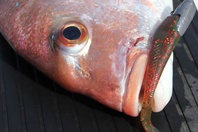
Softbait fishing Pt 2 - tips and tricks
Techniques, tips and tricks of softbait fishing – getting the most from your soft baits.... Read More >

Surfcasting - setting yourself up
Gary Kemsley helps sort out the necessary gear for intending surf fishers.... Read More >

Squid - How to catch them
Squid fishing is a rapidly growing aspect of fishing - Paul Senior shares some hints and tips to get started.... Read More >
Fishing Reports Visit Reports
Outer Hauraki Gulf Fishing Report 17/09/26
Spring wind the handbrake. Spring is starting to make its presence felt in the outer... Read More >
Top of the South Fishing Report - 17/09/26
Early snapper in Tasman Bay. Well, spring is finally here, and the days are getting... Read More >
Bream Bay Fishing Report - 17/09/26
Good snapper catches reported. After Tangaroa turned off the fish tap for a month or... Read More >
Bay of Islands Fishing Report - 17/09/26
Pacific bluefin tuna for the lucky few. The last fortnight has seen more fishable days... Read More >
Comments