
Boating Safety Checklist
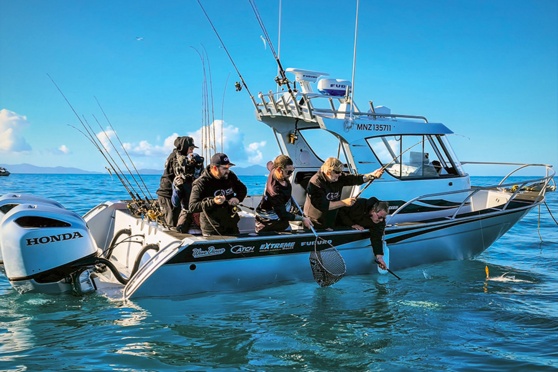
Do you rely on boating routines, rituals, and ‘pre-flight’ checks? Or do you rely on a lucky spin of the dice? An actual review is an essential part of a successful day’s fishing, says experienced boatie and angler Grant ‘Expresso’ Bittle.
Common errors can cause panic, pain, minor and major accidents, injury, broken skegs, snapped aerials, damaged rods, embarrassment, etc. The leading cause is not having a fool-proof checklist. Without wanting to appear too dramatic (although someone drowns in NZ every three days!), your life may depend on having sound routines, even for the most basic quick fish in 12 footer a couple of hundred metres from shore. Luck is for Lotto, not for going fishing - and coming back.
As with aircraft, run a ‘pre-flight’ check before launching (and retrieving) your boat and you’ll avoid, or certainly reduce, the chances of bad things happening. A few (inexperienced) mates might give you a hard time as you talk out loud to yourself and physically point and touch things around the boat – but this is how many professionals do it, for excellent reasons.
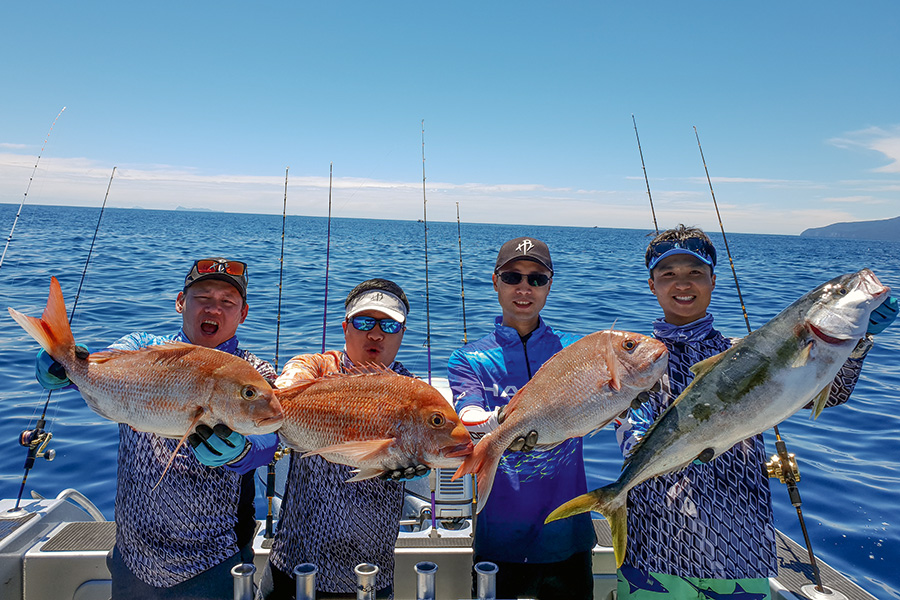
There are a myriad of 'pre-flight' and 'in-flight' checks that need to take place to ensure a safe, trouble-free, and fun time on the water.
Beware of interruptions
A simple momentary interruption as you do your mental checklist can result in something small but essential being overlooked. If you are interrupted, a good practice is to go back one step to the previous check. You know the things: the bungs, lifting or dropping the engine, prop flags left on, batteries flat, strop not connected properly…so many ‘little’ things.
Either create a written checklist or a logical system and flow of walk around and set-up. Interrupted by someone chatting? Danger, Will Robinson! Go back a step or two and start again. You just missed sorting the winch handle and strop – the boat will gather momentum fast and a spinning crank handle loves snapping the fingers of those who try and grab it. Neither do you want to go for a frantic swim to rescue the boat as it glides off the trailer and away from the ramp unhindered by your tether rope!
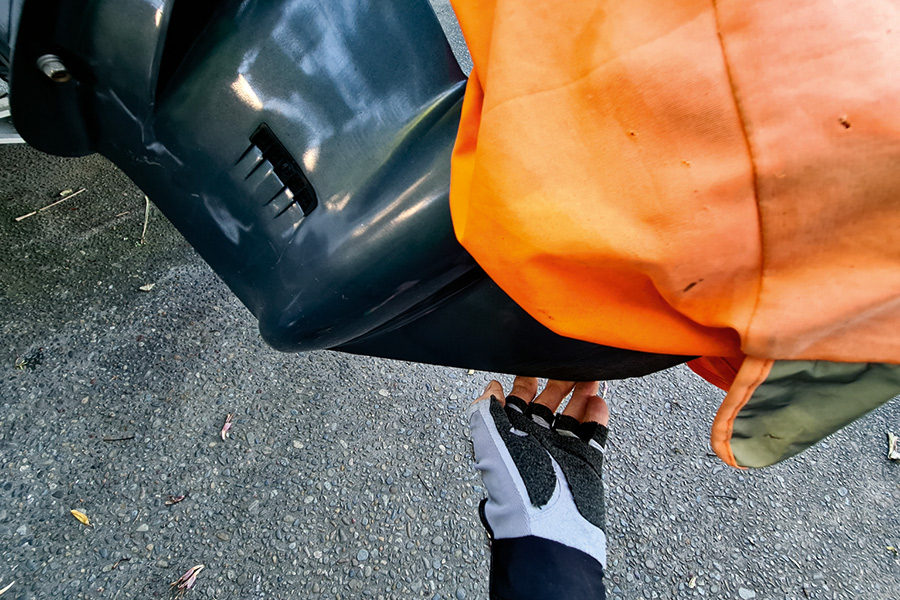
Running your hands around the skeg confirms it is up and that no un-noticed damage has been sustained.
Develop Routines
You don’t have a tried-and-true launch and retrieval routine? A failure is waiting to happen.
Pre-landing checks include: having the tie ropes ready at the gunwales; in shallow water – a slightly tilted up engine; rods out of the side holders where they might catch pontoon piles. Stripping jigs, hooks etc. from your rods, or at least securing them very well may prevent losing all your braid off a reel somewhere on the way home or wondering why all those rude people were pointing and waving at you, trying to alert you to hundreds of metres of braid flailing behind your boat in the breeze!
Let your crew know what’s about to happen, i.e. don’t try and fend off a three-tonne boat; arms legs hands are no match between wharf and boat.Check your engine does find neutral, and your car keys are in a zipped up pocket so when you clamber out of the boat they don’t simply slip out of your pocket into the drink.
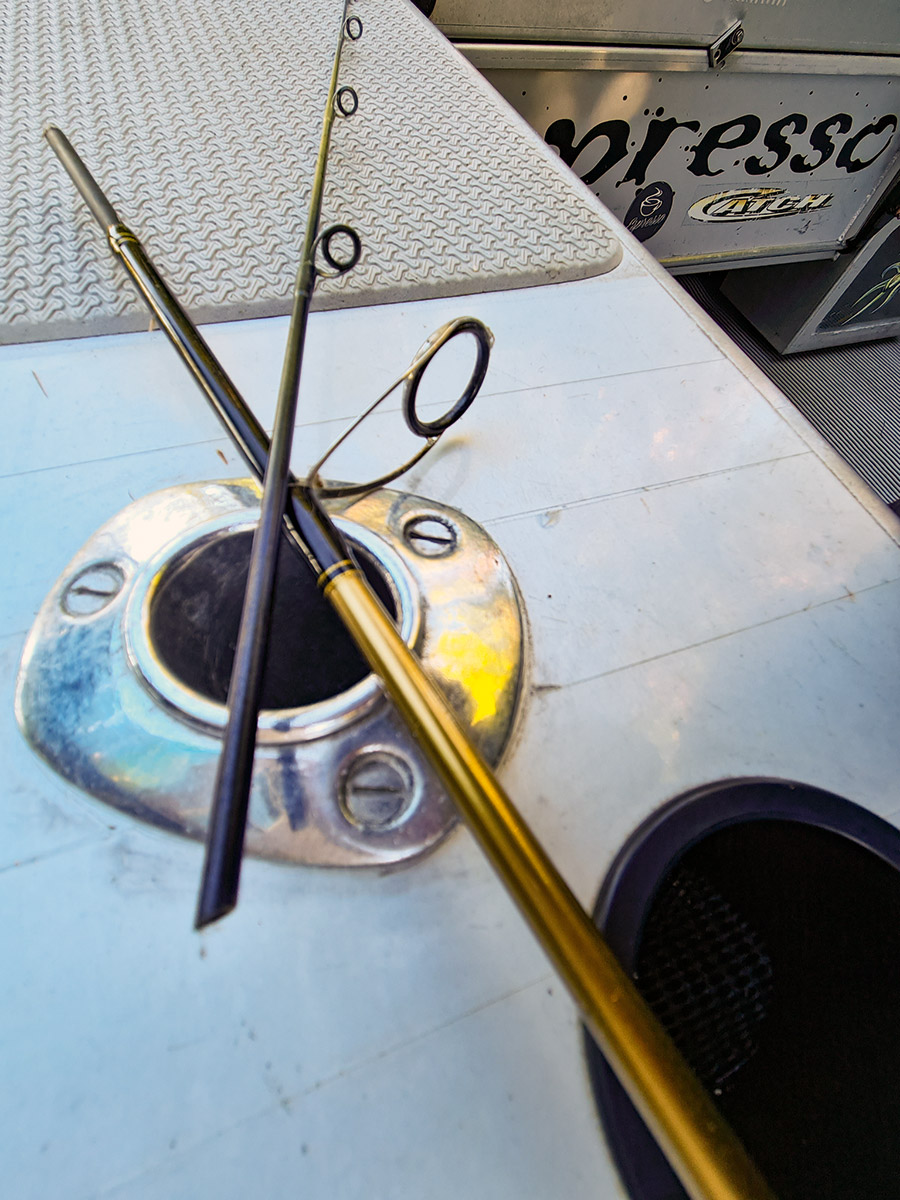
Looking out for minor issues (such as rods pointing overboard where they are likely to catch on a wharf pole and snap) ensures a positive experience doesn't turn to custard!
Lots of these things not only make coming back in less stressful (it can be a high-stress situation for many boaties, especially inexperienced ones with many onlookers and some wind) and stops all that mucking around while others are waiting for you to hook up and retrieve your boat.
The Erebus factor, as I call it. One small mistake way back, going without an actual check – leads to an outcome of disaster. There must be a definite check, not just a perfunctory tick assuming all that has been done before is correct. When I was a private pilot, having a pre-flight take-off drill was paramount, so adapting it to fishing was an easy no-brainer. Having set, must-check things, using several senses is critical; otherwise, the Erebus factor can creep in. You’ll look at the D-shackle and mentally say, ‘yep, chain on’, but the shackle pin isn’t screwed in. Without pointing at it, grabbing it with your hand or rattling it, you’ll see what you want to see; using more than one sense helps your brain see what is real rather than what you expect or want to see. Point at it, say it out loud, touch it, rattle it (you’ve now used sight, sound, and feel sensory checks). Finishing with a complete walk-around of the boat and trailer once everyone is in the car ready to go home is also a great idea…walk around pointing and saying things like – hitch locked, safety chain on, jockey wheel up, tyres inflated, engine up with flag on, batteries off, second safety tie-downs secured, trailer lights working…whatever is appropriate for your fishing machine.
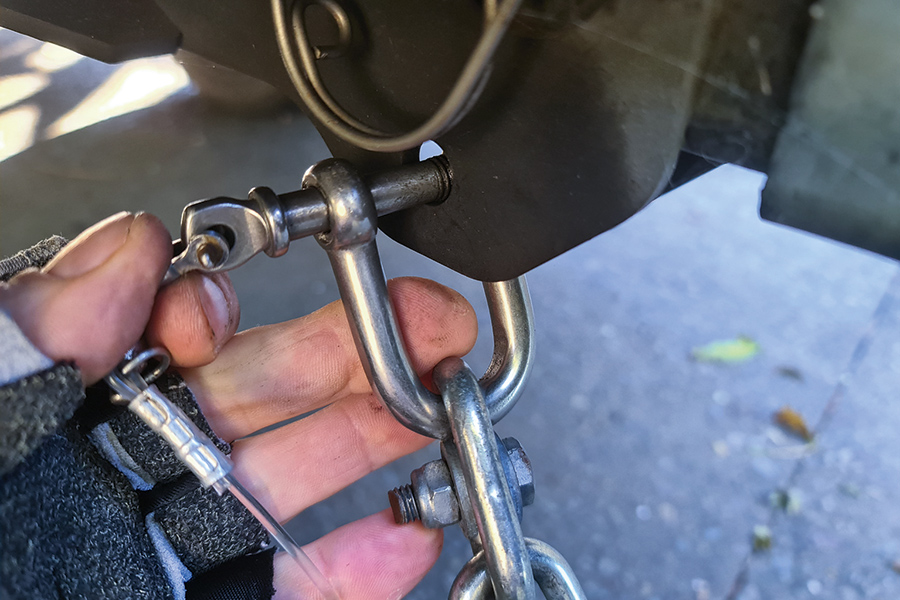
Physical checks of even the smallest aspects ensures the right outcomes.
And the number one cause of incidents at sea?
Having a schedule. A schedule means you are distracted by something that otherwise you wouldn’t be…gotta get back, gotta go out today, gotta be home by... hurrying the launch (launching quickly and efficiently is not hurrying), and then the retrieve. When stress, pressure or scenarios change, without absolute routines that must be followed no matter what, things are missed, or deemed done or not important – with the inevitable outcome. And it’s not a good one.
Carry out your pre-flight/pre-launch checks before departing home, and then your launch and retrieve routines.
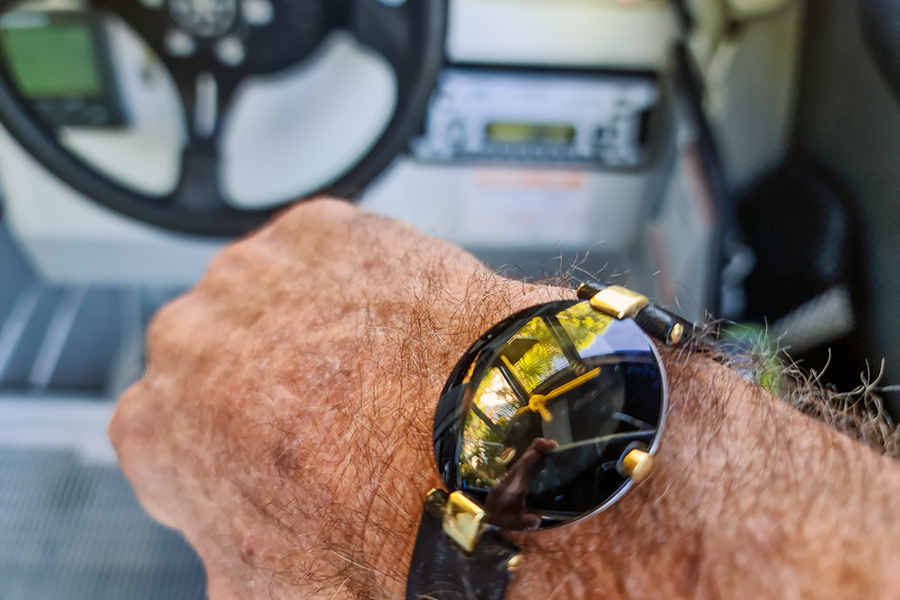
Having to meet time deadlines can result in good practice falling by the wayside.
Prevention of issues is as simple as a routine of checks, every time, using more than one of your senses to ensure the check is done. The more senses you use, the more areas of your brain are firing, even if they are somewhat sluggish in the early hours, or tired after a long day. Anything not correct or observed is relayed to the brain and noticed. For example, when checking, say, a bung, look but also touch/turn tight. The more senses you use will increase the chances of not missing a potential problem.
Some say it’s the small things that count; I disagree; all things matter when you’re a human out on the water where the environment can kill you. “She’ll be right”, or a quick glance equals inevitable problems, which may seem small, but issues usually aren’t minor on the water.
Developing a checklist that works for you, your crew, and your particular fishing environment is key to efficient launching and retrieving, many great days out on the water - and coming safely back home.
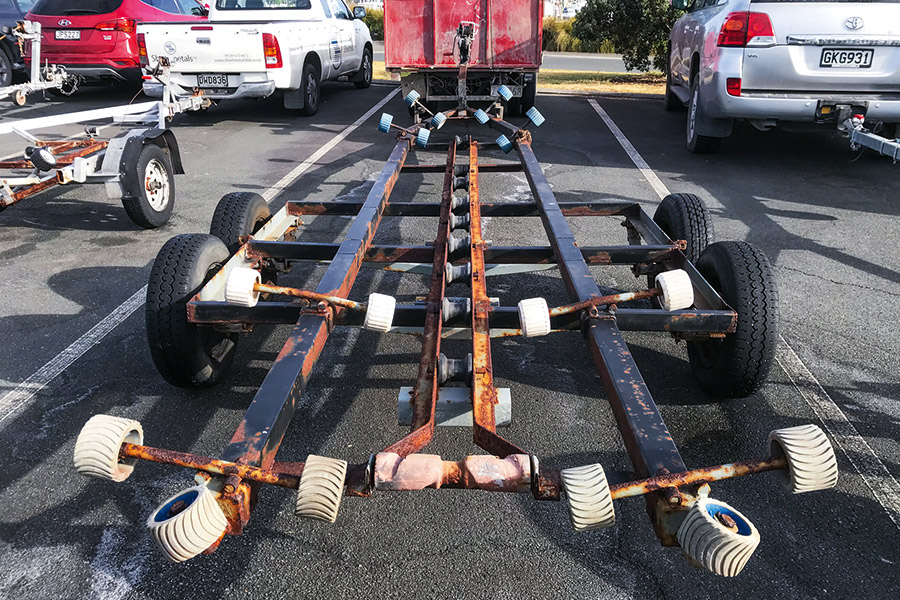
A good time to inspect the trailer and note defects is when it is in the park. Not sure that you would have a notebook big enough to cover off this model!
Brief Checklists
The following are some essential boxes that should be ticked every time you go out
The boat
• Fuel
• Battery state
• Lifejackets
• Safety equipment (flares etc)
• Bung in
• Communications x 2
The trailer
• Tiedowns
• Lights
• Winch cable/shackle
• Wof and rego
• Safety chain
• Handbrake on/off
• Wheel chocks
On the water
• Trip report
• Crew briefing
• Gear stowed safely/tidily
• Check weather/swell forecast
Personal
• Suitable clothing
• Hat and sunglasses
• Limit alcohol
• Coastguard membership

September 2022 - Grant Bittle
New Zealand Fishing News Magazine.
Copyright: NZ Fishing Media Ltd.
Re-publishing elsewhere is prohibited
Recent Forum Posts Visit Forum

Shimano 3500 baitrunner
in Buy Sell Trade or Exchange42 hours ago
0nlanders_Nz
Hello, I have come across to on the cash converters website search fishing reels $35 on there...
Manu bay boat ramp
in The Boat Shed48 hours ago
610gc
Hey teamhas any one tried the Manu bay boat ramp since the repairs?Is it any better to use?thank you ...

Out with the "Twelves"
in Fishing Reports51 hours ago
Telecaster
Popped out at about 3:30pm yesterday with a mate, usual zone and method. 10 snapper and 5 gurnard. The biggest snap we got (55cm) was definitely...

Netting flounder in Tauranga harbour
in The Briny Bar86 hours ago
Tonto2
I have 2 granddaughters in Otemotai, one of them went floundering with her school and set a net and caught flounder. Now they want me to...
Wanted 10500 fin-nor reel
in Buy Sell Trade or Exchange98 hours ago
0nlanders_Nz
I am looking for a fin-nor 10500 fishing reel if any one has, please message me...
Wanted to Buy
in Buy Sell Trade or Exchange121 hours ago
honestbruce
Seen your post and that would work but its not up my alley or ability to make one. Dont have the means to manufacture here in...

Manukau Harbour & West Coast fishing
in Fishing Reports135 hours ago
smudge
Just a heads up. Sunday through to Tuesday next week is looking ok for over the coast. at this stage. If it is fishable I will...
Knife sharpeners
in The Briny Bar135 hours ago
smudge
I'm a big fan of Jason Abbot. A real down to earth approach. My son is a butcher and can put a mean edge on a...
Trailer wheel clamp
in The Boat Shed143 hours ago
610gc
Thanks team ill give that a goif that doesn't work is the a better option of the wheel clamp that people recmend...

Shane Jones
in Fisheries Management163 hours ago
Pcj
Taking my limit. Not high grading legal it comes home...
Popular Articles

Softbait Fishing - Part 1 - gear selection
John Eichlesheim writes an article about selecting the right equipment for softbait fishing... Read More >
Softbait fishing Pt 2 - tips and tricks
Techniques, tips and tricks of softbait fishing – getting the most from your soft baits.... Read More >

Surfcasting - setting yourself up
Gary Kemsley helps sort out the necessary gear for intending surf fishers.... Read More >

Squid - How to catch them
Squid fishing is a rapidly growing aspect of fishing - Paul Senior shares some hints and tips to get started.... Read More >
Fishing Reports Visit Reports
Canterbury Fishing Report - 01/10/26
Freshwater season underway. Wow, it’s October already, and our freshwater season is underway, and the... Read More >
Top of the South Fishing Report - 01/10/26
Snapper about but not yet firing. It’s certainly nice to see daylight savings upon us... Read More >
Hauraki Gulf Fishing Report 01/10/26
Big reds in the shallows. The weather has made getting out on the water challenging... Read More >
Bay of Islands Fishing Report - 01/10/26
Snapper moving in. A few Pacific bluefin are still gracing the weigh stations with last... Read More >
Comments