



 It is to be observed that 'angling' is the name given to fishing, by people who can't fish.

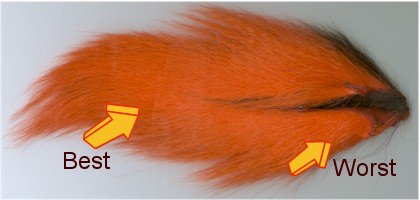
Tried to make a few decievers this weekend and found my buck hair is a patch, probably belly rather than a tail, did as you mentioned Clark - flared up a treat :( Made do with some synthetic chartruse wing material instead and looks ok but would have prefer the buck tail so i can some practice at using it. Not sure how the wing material will act in the water compared to the buck tail either, looked ok in the sink.

Snapper, cod and marlin on the menu Despite the weather we have had recently, when... Read More >
Snapper out deep in cooler water As happens at this time of the year, the... Read More >
Small snapper the norm Over the last 10 years I have noticed with great concern the... Read More >
Fishing will be exceptional when water clears The massive amount of rainfall to hit the... Read More >


Major Bites
Minor Bites
Major Bites
Minor Bites

 Forum Topics
 New Posts
 Search
 FAQ
FAQ Register
 Login
Login


 Topic Options
 Post Options
 Likes(0)


