
Trout Fishing Techniques in Floods
Greg Morton shares his tips for fishing for trout in high-water situations...
The opening of a new trout fishing season is always looked on with anticipation. However, there is one factor that can make the fishing much more challenging than you expected. Too much water can literally sink your aspirations for the day.
On the special day, many go back to the same spot of twelve months ago as we know the area well and know exactly where we will be standing when the first cast is taken. A high water level however can destroy our hopes instantly and the rest of the day is spent cobbling together a rescue plan.
Winter fishing for me this year has already been a washout. The worst in years with only one really good trout landed. Favourite spots had been inundated, or even worse washed away. The weather was constantly cold, foggy and wet, and accessing waterways was a challenge.
My opening day spot for many years is Lake Opuha in South Canterbury. It has a strong brown trout population and in more recent years good numbers of rainbow trout. At least three streams flow into the Opuha Dam and first thing on each opening morning I like to be at the mouth of one of them offering a spinner or a softbait to naïve feeding fish. The best fishing is when the dam is about three-quarters full and the worst is when it is flooded and right up in the paddocks and under the trees.
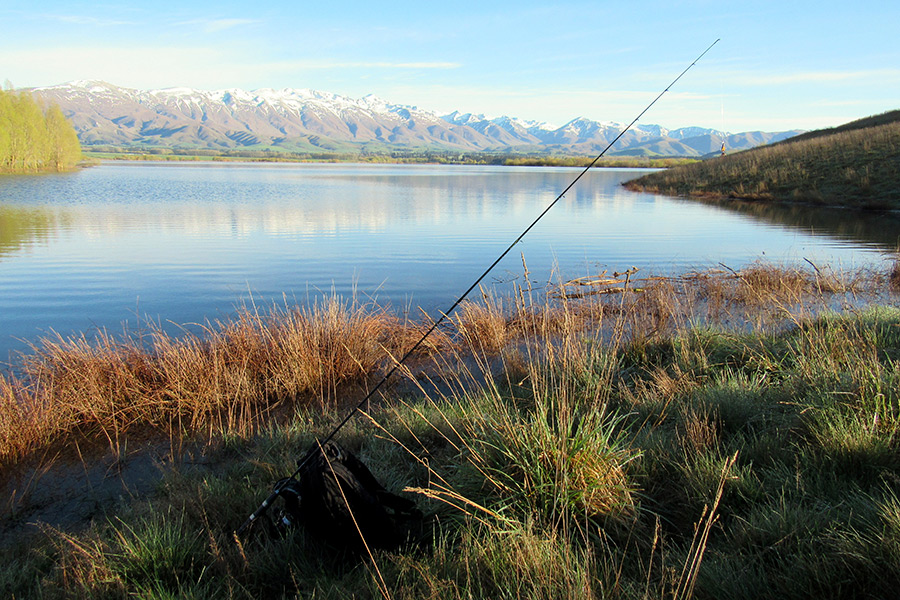
My plan each year is to arrive in the dark and then walk downstream alongside the selected stream until I hit the mouth. Several times over the years I knew I had a problem when walking was replaced with deep wading, and soon after the realisation would hit that the lake was really high that opening and had swallowed the clearly defined mouth I wanted to fish. All I could do was pick around the edges which was only marginally successful because of the underwater vegetation.
A high water level in rivers can also mean a fast current sometimes mixed with dirty water. The Clutha River is a good example of a river that causes all sorts of problems when a lot of water has been released by hydro dams. I have never done very well when it’s really humming along and fishing spots are hard to find. I regularly look out my house window and if I can see no exposed beaches down below on the Clutha River, I stay home. The fast current means the trout that I catch in this river often have large tails and small, lean bodies.
High river water falls into two categories. Really high, fast and filthy brown means tying some flies in front of the fire, while falling copper-coloured high water and improving clarity can produce some amazing fishing. Two examples of the latter situation stand out for me. The first was on Lake Te Anau when my mate Geoff and I had gone trolling one afternoon. We had failed dismally and to make matters worse a heavy shower had dumped lots of rain on us and the mountains. The rain stopped soon after and the sun came out. One stream that entered the lake had turned brown during the rain but was clearing quickly now that the squall had passed.
We targeted the mouth of this stream with our gear and quickly had our limits of big brown trout that were attracted by the food washing into the lake. The second occasion followed a similar pattern and occurred back at Lake Opuha. A heavy afternoon shower made one of the inlet streams I was fishing beside rise quickly and turn grey-brown, but later when the rain stopped it began to fall quickly and clear. The year before the lake had fallen to very low levels and the fish stocks suffered so this stream now pushing food into the lake was kai from paradise for the surviving hungry trout.
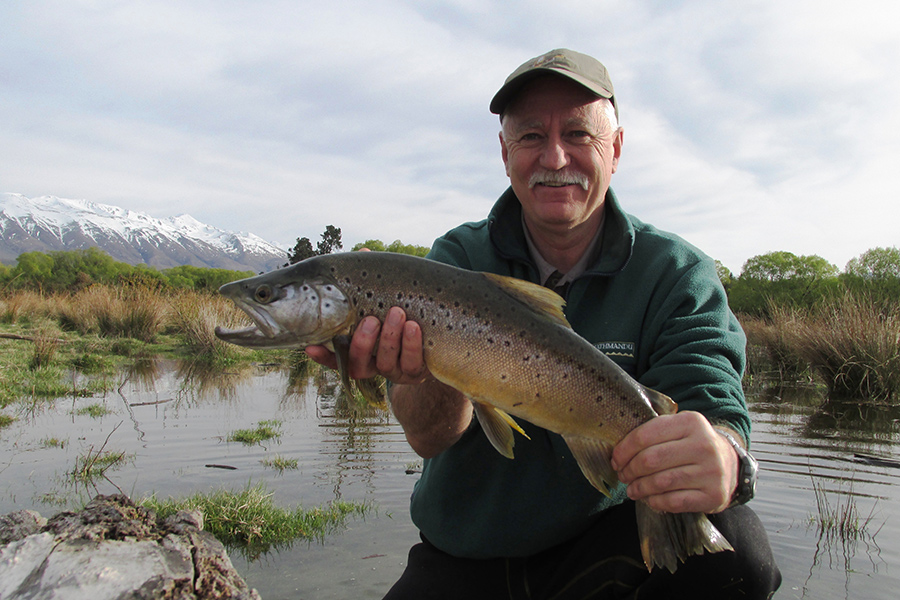
I landed brown trout after brown trout on a spinner. Some were skinny but others had improving condition. I released all of them as they deserved a break. Once the stream slowed in volume the mayhem stopped.
Clearing water suits the fishing techniques I favour the most. By clearing I mean water that is clear enough for me to see my wading boot. If I can see my foot, they can easily see my spinner, Rapala, spoon, jig, streamer, or softbait. The feeding switch is usually jammed full on for trout when food washes into a lake or dam because of their opportunistic nature.
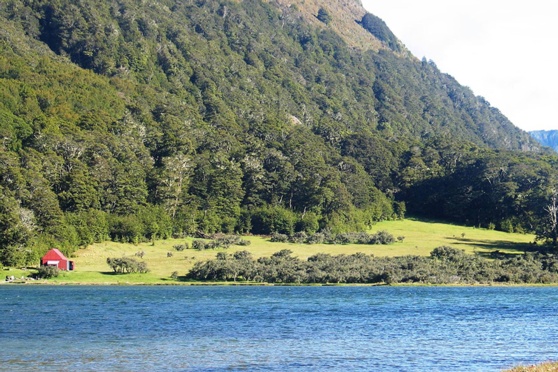
A few years back a group of us fished Lake Mason in North Canterbury. We stayed a couple of nights in a hut and rain had fallen heavily overnight on day one. The next morning the spinning anglers went one way and I puddled around with my fly rod in the shallows near the hut. The lake had risen a bit because of the rain and in one bay I encountered a pair of brown trout searching for worms in water that barely covered their backs. They had no interest in my blowfly dry fly and the lead fish was actually grubbing for worms while my fly line rested on his exposed back. I heeded the lesson and eventually caught him by offering him a San Juan worm pattern.
This pattern is a dead ringer for the common old earthworm. Many a flyfishing angler has tied on one of these when the going gets tough. The pattern is often referred to by Kiwis as Blackbirds Fancy. It is regularly used in spring when water levels are high, a time when many worms end up in streams and creeks. It is a staple in many Otago fly-boxes, perhaps as popular as the Willow Grub Nymph. Bait anglers just use the real deal and after rain there is no better spring fishing method than a weighted live worm rig plopped into a river pool, pond, dam or lake.

October 2023 - Greg Morton
New Zealand Fishing News Magazine.
Copyright: NZ Fishing Media Ltd.
Re-publishing elsewhere is prohibited
Fishing Reports Visit Reports
Tauranga Fishing Report - 28/05/26
Tarakihi on the bite Trips are few and far between at this time of year,... Read More >
Canterbury Fishing Report - 28/05/26
Fresh and salt turning it on! It is not very often I get to say... Read More >
Bay of Islands Fishing Report - 28/05/26
Lures paying dividends We finally had a break in the SE winds that have been... Read More >
Manukau/West Coast Fishing Report - 28/05/26
Snapper and gurnard in the harbour The weather has finally taken a turn for the... Read More >



Major Bites
Minor Bites
Major Bites
Minor Bites
Comments