
Flyfishing - new tips and techniques

Fly fishing is a rapidly evolving field. While the gear has not changed that much in overall design and purpose, the techniques, flies and methods of information sharing have.
Now is time to reflect upon what works with fly fishing.
Rod design
New Zealand is famous for large trout, often in small and confined streams. Using new generation rods – such as the Scott Radian – with fast tip actions that also allow a large curve to be placed in the rod, is a major advantage. They allow anglers to put the initial hurt on the big fish in these tight situations, preventing them from burying in the weeds or snagging up – often the difference between success and failure.
New fly patterns
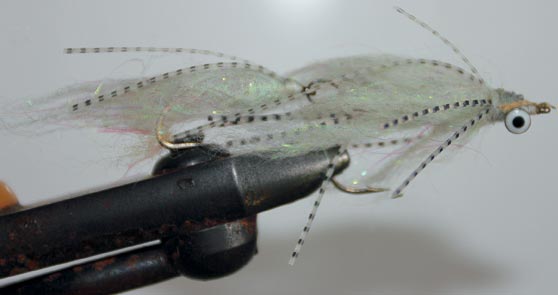
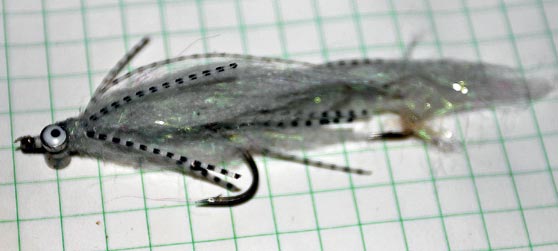
Gallop lures have made a major advance in fly patterns with articulated lures that work well; their larger sizes and the added movement often draw the attention of trout. These lure designs, combined with techniques such as casting upstream and retrieving slightly faster than the current or jigging in slower waters, along banks and drop-offs, are particular effective. Often trout will these lures as they are dropping. Because of their larger size (in comparison to single-point flies), a controlled momentary pause, similar to when dry fly fishing, is required before setting the hook.
Heavy nymphs
As far as nymphs are concerned, the trend is still heading in the same direction: ultra-heavy and small to allow a fast sink rate that puts the nymph quickly in front of the trout. The ability to make accurate casts that enable a drag-free drift over the trout is a major advantage in many cases, too. I like to make the initial presentation to a trout with a nymph rather than a dry, because casting a dry first up often makes the trout very cautious (unless, of course, the trout is actively rising to a prey item you’ve been able to identify).
Leader
In many ways, older styles of tippet work well. I have increasingly found that having a heavy tippet to combat stone abrasion on the knots when doing extended upstream nymphing also allows big fish to be played hard when needed. I like to use a tippet of between 0.18 and 0.20mm in diameter; typically around 3.5-4.5kg (8-10lb) breaking strain. While trout may occasionally shy away from a heavier tippet, the advantage of being able to play trout hard with fewer break-offs outweighs the disadvantages.
Tactics
As with many types of fishing, the ability to quickly get the fly line out of the rod and a fly presented in front of a cruising trout is critically important. It can be all about being prepared at a second’s notice. Rarely do I go down to a lake or river edge without my gear being ready to cast.
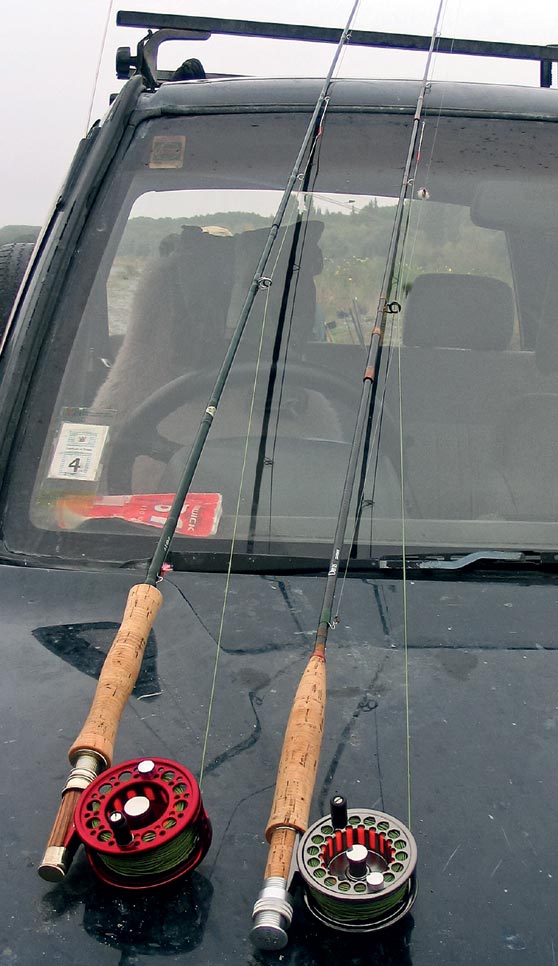
Having two rods ready to go is also an advantage when fishing with another angler. Recently, while out with my brother Martin, we had trout chasing Gallop lures but not taking them. In this instance the quick presentation of a soft-hackle nymph, after the trout’s attention had been drawn, allowed a successful hook-up.
Information sharing
Social media is certainly useful for finding good trout-fishing spots, and getting real-time information is also an advantage. Also, since trout have a high level of site fidelity, especially in high country areas, keeping records of good trout locations is important.
Headwater trout like structure, and rivers containing trophy headwater trout once a year are likely to remain trophy trout waters year after year. Understandably, there are now concerns that some of the headwater rivers will need to be regulated, perhaps by a ballot system, as increasing numbers of anglers have become aware of trophy headwater rivers (a very limited resource) over the years.
Upskill
Consider booking a fly-fishing guide. Some of the better ones have a lifetime of knowledge they can share, refining your techniques and demonstrating tips that will greatly short-cut your fly-fishing development process. With trout fishing it is often the subtle things and attention to detail that make the difference between success and failure.
Final thoughts
As I have said in previous articles, it’s important to get out on the water early, as it allows you to secure good water, beat the wind and beat other anglers. It therefore pays to get your gear ready the night before, so after arriving at the fishing location you can simply grab your backpack and head off, instead of wasting time fumbling around in the car. With lots of hot summer days still to come, you will get to the trout while they are still active in the cooler water early in the day.
|
|
This article is reproduced with permission of |

Fishing Reports Visit Reports
Outer Hauraki Gulf Fishing Report 17/09/26
Spring wind the handbrake. Spring is starting to make its presence felt in the outer... Read More >
Top of the South Fishing Report - 17/09/26
Early snapper in Tasman Bay. Well, spring is finally here, and the days are getting... Read More >
Bream Bay Fishing Report - 17/09/26
Good snapper catches reported. After Tangaroa turned off the fish tap for a month or... Read More >
Bay of Islands Fishing Report - 17/09/26
Pacific bluefin tuna for the lucky few. The last fortnight has seen more fishable days... Read More >


Saturday 26 September 2026
Major Bites
 - -
- - Minor Bites
 - -
- - Sunday 27 September 2026
Major Bites
- Minor Bites
 - -
- -
Comments