
Fly tying - lethal trout patterns

Peter Langlands says creating really effective flies is a lot simpler than many tyers would have you believe...
In recent years there has been a lot of activity on the internet about new trout fly patterns. However, while some patterns are highly refined and will occasionally work when more traditional patterns don’t, I believe there are just a few basics to tying effective trout flies. The following work well for me...
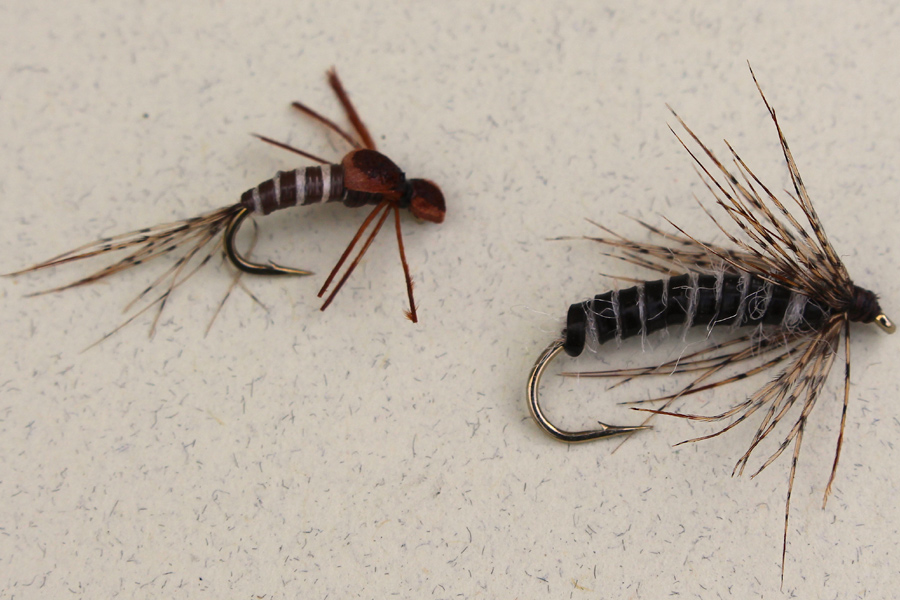
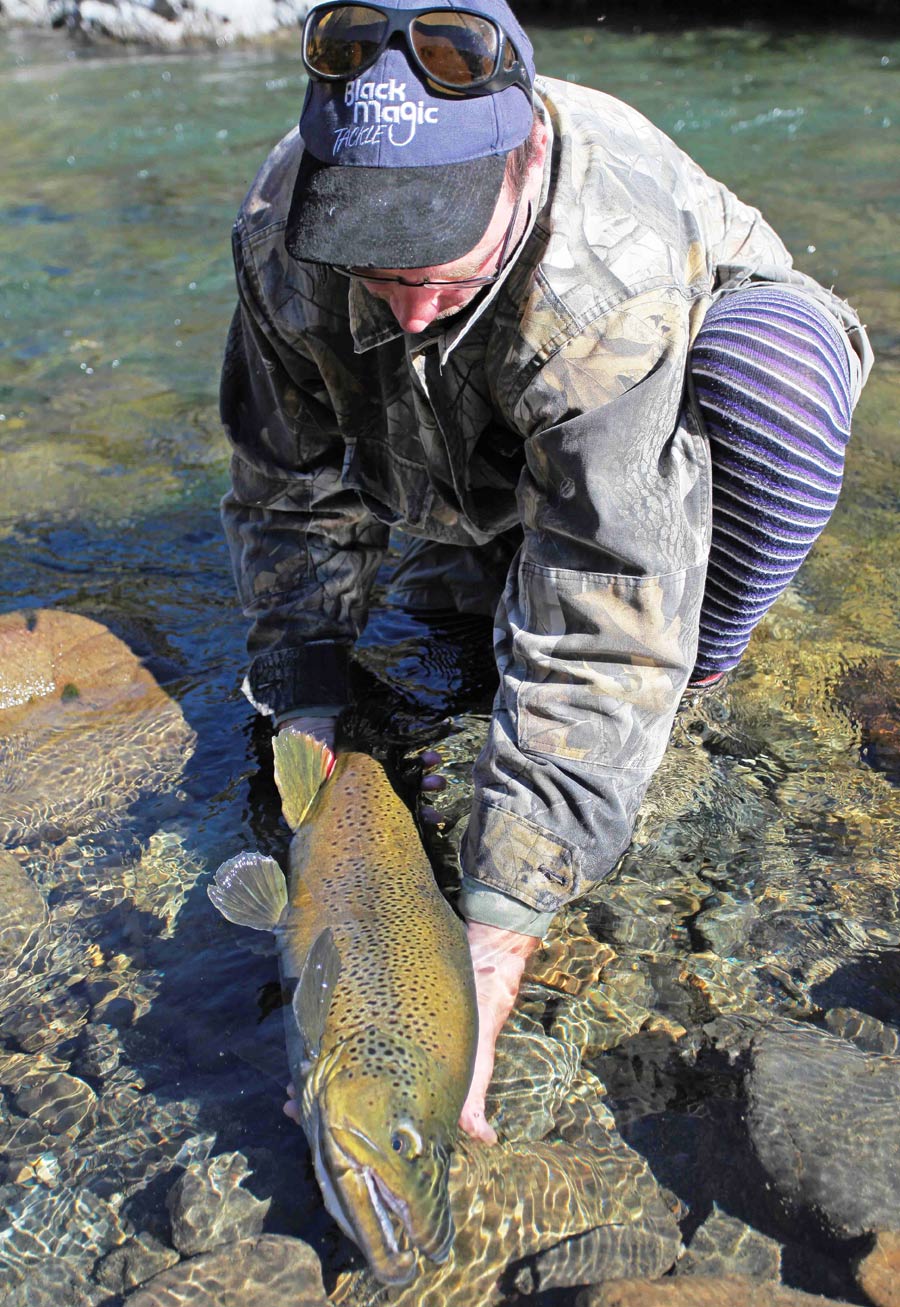 Stick to natural colours. I like to use brown, olive and green colours when tying trout nymphs. Try to blend the dubbing into a variation of colours to make the nymph look even more natural. Next, add some soft-hackle fibres to your nymph, as they will give the fly more lifelike movements in the water. In my opinion, Hungarian partridge feathers are the best soft-hackle feathers available. Not only are they very soft, they also have a variegated colour that imitates the intricate markings on the insects’ legs. I add a collar of soft hackle on many of my nymphs – especially on lake nymphs and a dragonfly pattern I designed.
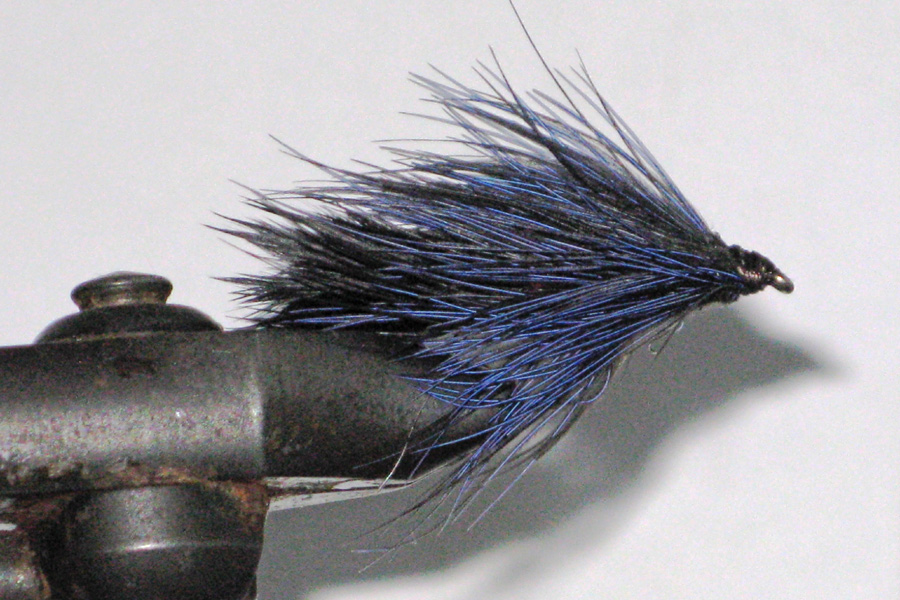
I really like marabou, because the outer tips have soft edges that really put a lot of life into fly patterns and it comes in a wide range of colours. I often tie a collar of marabou on nymph and snail patterns. My marabou-collared black and peacock snail fly is especially effective for tempting slowly cruising browns that give the fly a second look. Of course marabou is especially good when used to tie the Woolly Bugger, a highly effective lake-edge lure.
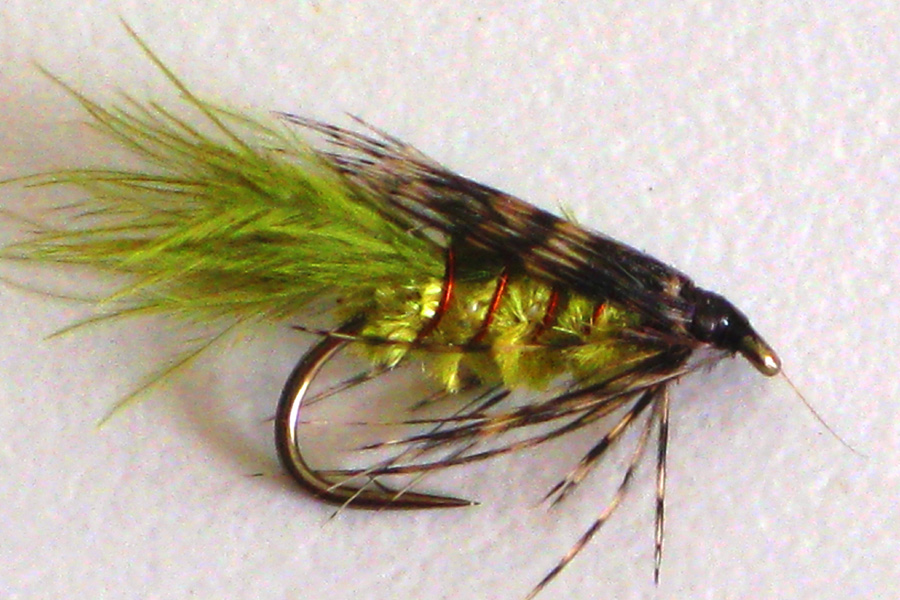 There are times when heavy, sparsely-dressed nymphs are needed to maximise your sink rate, such as when nymphing to trout sitting in deeper water affected by complex currents. These fish have avoided being caught by other anglers because their offerings did not go deep enough for the trout to see it. This is when ultra-heavy nymphs that sink fast into the strike zone are a huge advantage, allowing you to put the nymph on the trout’s nose and minimising the chances of the fly dragging past, or the fish being spooked by excessive casting over it.
 Tungsten beads are ideal for adding weight rather than bulk, but you can also use tungsten sleeves and cone heads, or wraps of lead, to increase the sink rate. Tie your flies in a wide range of weights, organised by weight and size in your flybox, so that you can quickly select the right fly for the depth. Be sure to use minimal dressing on your nymphs though, as a streamlined shape allows them to sink faster.
Trout are highly visual feeders that can spot tiny insects drifting past. New Zealand trout are unusual in their ability to reach large sizes on a diet based mainly on small insects that they can see in our clear flowing rivers. In addition to movement and colour, the pattern on flies is important. Having a segmented appearance incorporated in the nymph’s design can make a big difference; I find a black and white ‘zebra’ pattern on the abdomen of many nymphs is very effective in attracting the trout’s attention. Also, by ribbing a nymph you will create a segmented pattern that makes the fly look lifelike. Having repeating, naturally-coloured patterns on lures, such as a Mrs Simpson, give the illusion of increased movement and make the fly look more lifelike.
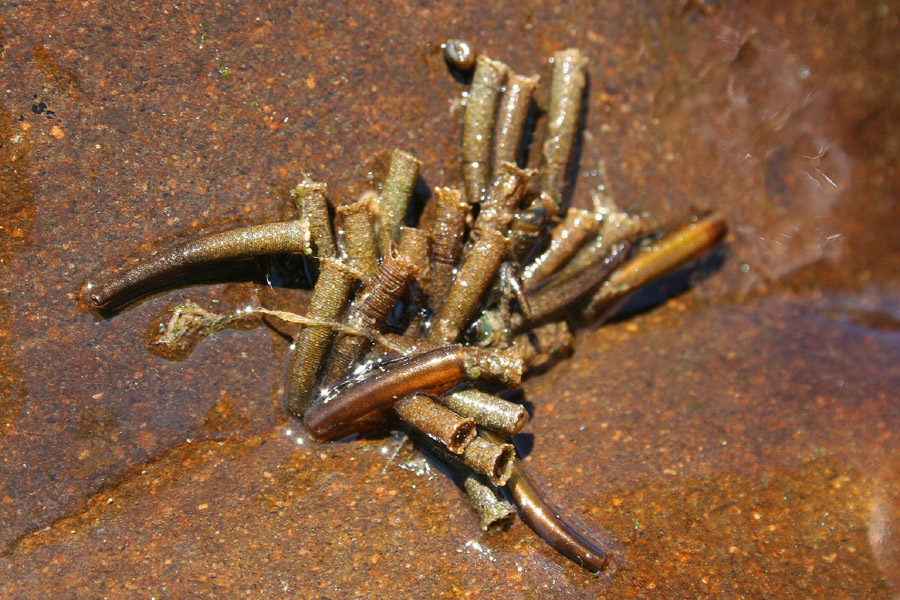
Another feature to try adding is a ‘pecker head’, which is simply a small piece of cream or yellow coloured fine chenille with a burnt tip. This produces a very effective body when tying caddis-nymph patterns. A white pecker head is also lethal when tied on the front of a horn-cased caddis imitation fished in discoloured waters.
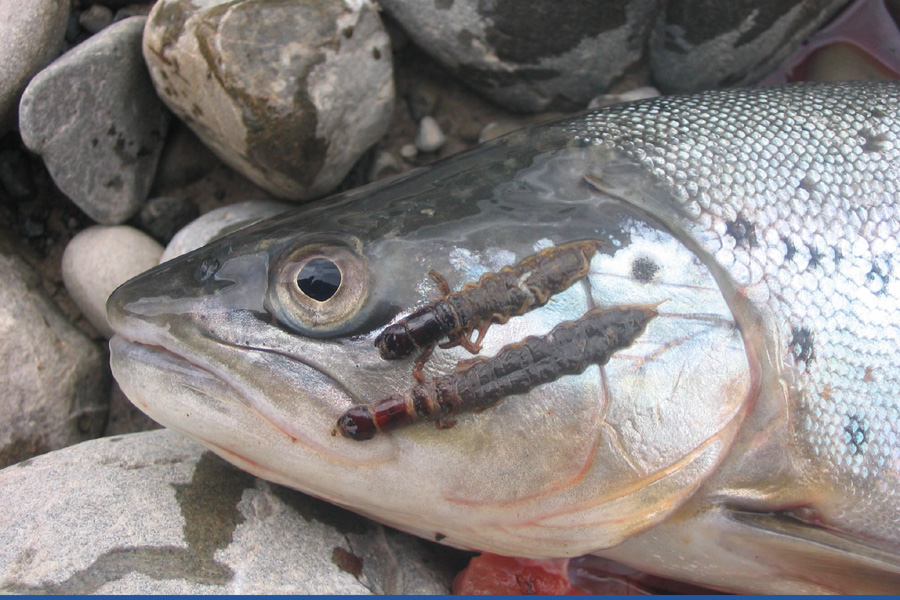 San Juan Worms, tied from a range of ultra-fine chenilles, have also been very effective for me in recent years – the worm flies are not commonly used, so by presenting them you may get a snap from trout that shy away from more conventional patterns. Constantly designing and tying new trout flies keeps fly-tying exciting for me.
I like to tie naturally coloured flies, and find that improvised materials often work well. For example, a stretched audio-cassette tape makes a strong and natural-coloured ribbing, and when only partially stretched makes an ideal material for tying a Horn-cased Caddis, a simple but effective nymph. The fur and feathers from a wide range of road-killed animals and birds also make good fly-tying material, so spend all your money on top quality hooks, not materials!
Finally, if you have a surplus of materials, why not swap them with the surplus other fly tiers may have? There is a wide range of social media groups in New Zealand, where people share their fly-tying experiences. Winter is a great time to spend with mates discussing fly patterns for the next season and for building up your trout flies collection. All you have to do is remember the few basic rules that need to be included when tying the various patterns – then let your imagination run wild!
|
|

Fishing Reports Visit Reports
Outer Hauraki Gulf Fishing Report 17/09/26
Spring wind the handbrake. Spring is starting to make its presence felt in the outer... Read More >
Top of the South Fishing Report - 17/09/26
Early snapper in Tasman Bay. Well, spring is finally here, and the days are getting... Read More >
Bream Bay Fishing Report - 17/09/26
Good snapper catches reported. After Tangaroa turned off the fish tap for a month or... Read More >
Bay of Islands Fishing Report - 17/09/26
Pacific bluefin tuna for the lucky few. The last fortnight has seen more fishable days... Read More >


Friday 25 September 2026
Major Bites
 - -
- - Minor Bites
 - -
- - Saturday 26 September 2026
Major Bites
- - Minor Bites
- -
Comments