
Finding good spots for surfcasting
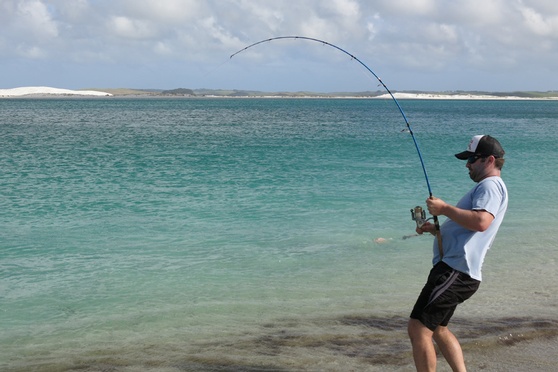
All sea water is not created equal when it comes to fishing potential, as Andy Macleod reveals…
For land-based anglers water quality influences what species are present and even whether any fish are present at all.
Operating on the shallow fringe of our coastline, landbased anglers are unable to roam freely around on the sea looking for the cleanest, best-looking water.
- Water quality on the coastal fringe is influenced by a range of factors, both marine and terrestrial:
- Swell and currents that lift sediment off the bottom
- Freshwater arriving via rivers and streams
- Sediment generated from adjacent land-based activities, such as farming and property development.
A lot gets written about the challenges of catching fish from the shore in crystal-clear water, but I actually prefer clear water (or only slightly murky water) to the dirty water that accompanies heavy swells or rivers pumping out huge volumes of silt-laden water. It may mean that I have to wait until the sun dips close to the horizon before the bite comes on, but I do know that quality scale fish are likely to be present, and that’s what gets me truly excited…
When asked what to do if inshore waters are dirty, many anglers – including experienced ones – will say, “Just fish it.” And it is true that in anything less than really muddy water, fish will still be present. But it’s likely those fish will be less desirable: shark species, red cod and eels, to name a few, which seem to thrive in dirty water and the heavy seas that often accompany each other.
The issue I especially want to tackle here is the balance between water quality and a bit of water movement (swell, current, wave chop). Some water movement is desirable, because it dislodges food from the bottom, moves fish through the area, and the turbulence provides fish with cover and camouflage. However, there comes a point where water movement has a negative effect on fish, suspending sediment and pushing them out into deeper, less affected and cleaner water.
Here, local geology plays a part, too. Around the North Island’s southern and lower eastern coast, the local sediment lifts off the bottom quickly in response to near-shore swell and wind chop, with species such as gurnard and snapper disappearing pretty quickly in response.
On the other hand, the beautiful silica sands of Great Exhibition Bay in the Far North seem to hold pretty tight even in a moderate swell, with water quality correspondingly good. Consequently, when a bit of swell is present, it’s often a great time to fish those beaches for snapper.
The sands of Ninety Mile Beach (only a stone’s throw away but on the opposite [west] coast) are quite different; the beach dirties up comparatively quickly, pushing scale-fish species, including
XOS trevally, out into deeper water until the sea settles again.
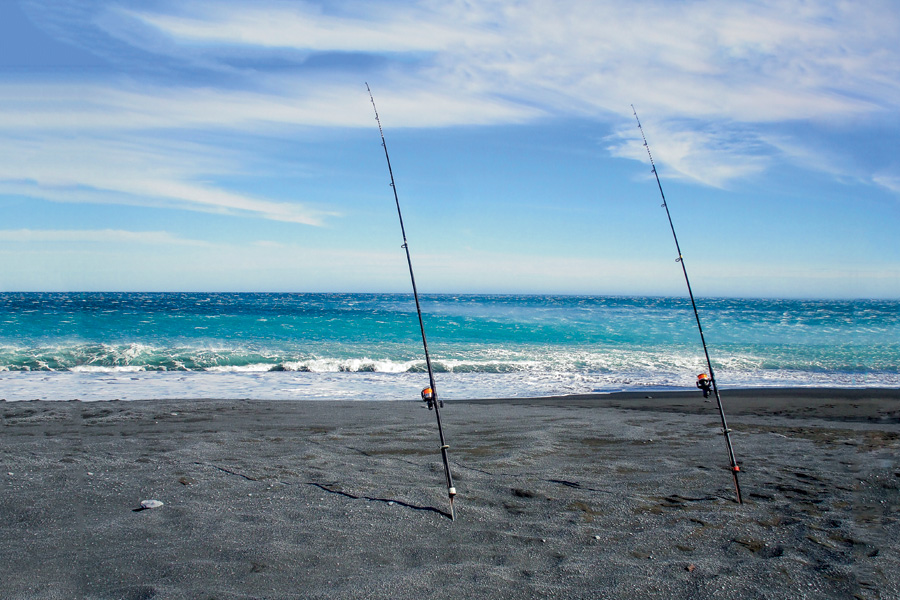
What got me seriously thinking about water quality was a recent conversation with a fishing buddy here in Wellington, who regaled me with brilliant catches of fish (including snapper and kingfish) taken locally very early in spring. These are typically summer and autumn species in Wellington, but it was put to me that the sea conditions have been very calm and the water clean, and that these factors are every bit as important as the time of year.
This is consistent with my experience, but is also incredibly interesting given that water temperatures in early spring are at their lowest. (Even now, as I write in early October, the local sea temperatures are hovering around the 12.5°C mark.)
When the weather is calm and clear, finding clean water from the shore is a simple exercise, but at other times a bit of forethought is required. Here are some things I do:
- Stay away from river mouths after heavy rain events: river mouths generally present good strategic fishing opportunities, but during heavy rain they are often affected by large volumes of dirty water, and due to all the debris that tends to accompany it, fishing can become simply impossible.
- Fish the deepest locations available: generally speaking, the shallower the water, the more churned up and dirty it becomes. In fact, even a moderate wind chop can have a big impact on water quality. I regularly see this on the Wairarapa’s east coast, our west coast surf beaches, and even tidal harbours, which can get dirty towards the bottom of the outgoing tide when there is still a good current moving through the channels.
Fish rock platforms: good rock platforms are often in the vicinity of sea floors dominated by rock and weed, rather than sand/ sediment. That means that the water quality holds up longer and desirable species such as snapper, trevally and kingfish will still be present. A good stir is, in fact, a good time to fish these areas, as generally the water stays clean, but the water movement dislodges shellfish etc and brings the fish on the bite.
IN TERMS OF fish species, the most desirable sporting and table species generally prefer clean water, even if the crystal-clear conditions can make them wary to bite. Fish falling into this category include kingfish, trevally, gurnard, kahawai, snapper and blue cod. Of those species, kahawai and snapper are more tolerant of suspended sediment than the others.
Looking specifically at gurnard, I regularly fish beaches that are a little dirty in close, due to wind chop, but are clean 75-100m out, where the water is deeper and the wind unable to stir the bottom up to the same degree. It is noticeable how a well-executed cast that places a bait in this clean water catches all the fish on these days, while casts landing in the dirtier, shallower water go unrewarded.
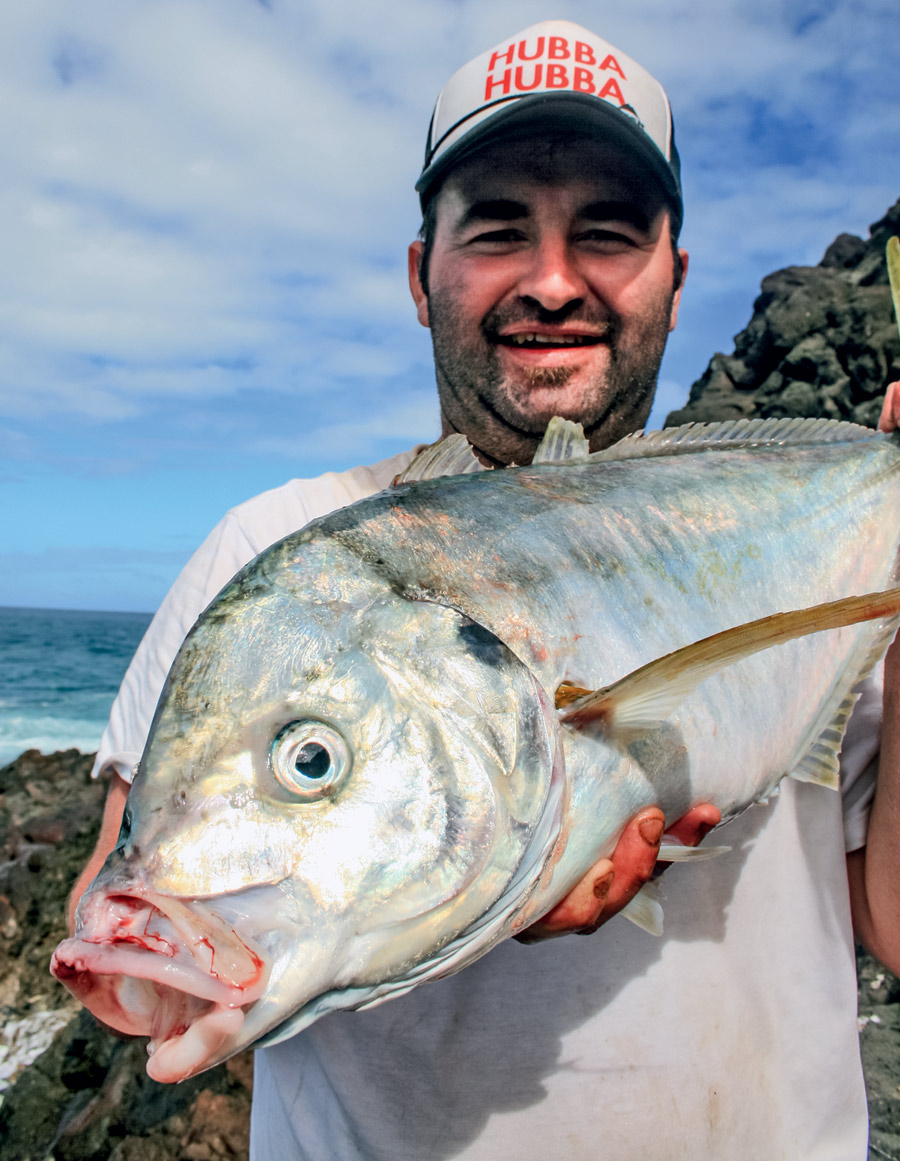
As I’ve touched on, there are also species – mostly non-scale types – which thrive in dirty water, and it is just as noticeable that they become absent when the water cleans up. It’s almost as if they prefer dirty water, and perhaps they do. The species that best fits this mould is the spotted smoothhound (rig, lemonfish, spotted dogfish). This shark seems to relish turbulence and dirty water, moving in at such times to capitalise on any paddle crabs dislodged from the bottom. This common, ready-biting species can become as rare as hen’s teeth in clean, calm conditions.
I don’t want to give the impression that water must be crystalclear for the best fishing, but I am a very big fan of clean water. To describe just how much it means to me, I fish a number of remote beaches where the only way to find out about water clarity is by getting behind the wheel for a few hours and driving there.
On these trips I nervously await my first glimpse of the beach, hoping for clean water, and knowing that if I find it, my chances of catching quality target species are much better. Light trace, smaller hooks and subtly presented baits might be required to hook wary fish in these conditions. Even so, I may need to wait until deep into the twilight, but I know my target species will be there somewhere – which means a lot when land-based fishing!
|
|

Fishing Reports Visit Reports
Outer Hauraki Gulf Fishing Report 17/09/26
Spring wind the handbrake. Spring is starting to make its presence felt in the outer... Read More >
Top of the South Fishing Report - 17/09/26
Early snapper in Tasman Bay. Well, spring is finally here, and the days are getting... Read More >
Bream Bay Fishing Report - 17/09/26
Good snapper catches reported. After Tangaroa turned off the fish tap for a month or... Read More >
Bay of Islands Fishing Report - 17/09/26
Pacific bluefin tuna for the lucky few. The last fortnight has seen more fishable days... Read More >


Friday 25 September 2026
Major Bites
 - -
- - Minor Bites
 - -
- - Saturday 26 September 2026
Major Bites
- - Minor Bites
- -
Comments