
Finding free bait
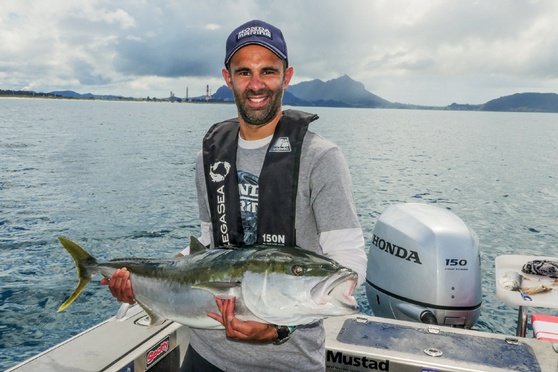
An incredible amount of lure fishing is done these days, and for good reasons: it is great fun and highly effective. Part of the lure’s attraction is the huge, glittering array of them on offer, with every one of them potentially the one that turns your day around or proves to be that elusive ‘silver bullet’. That’s why dedicated lure fishermen often spend an inordinate amount of time deliberating on lure choice, both at the time of purchase and when deciding what to use, with colour, action, style, weight and technique all coming into play.
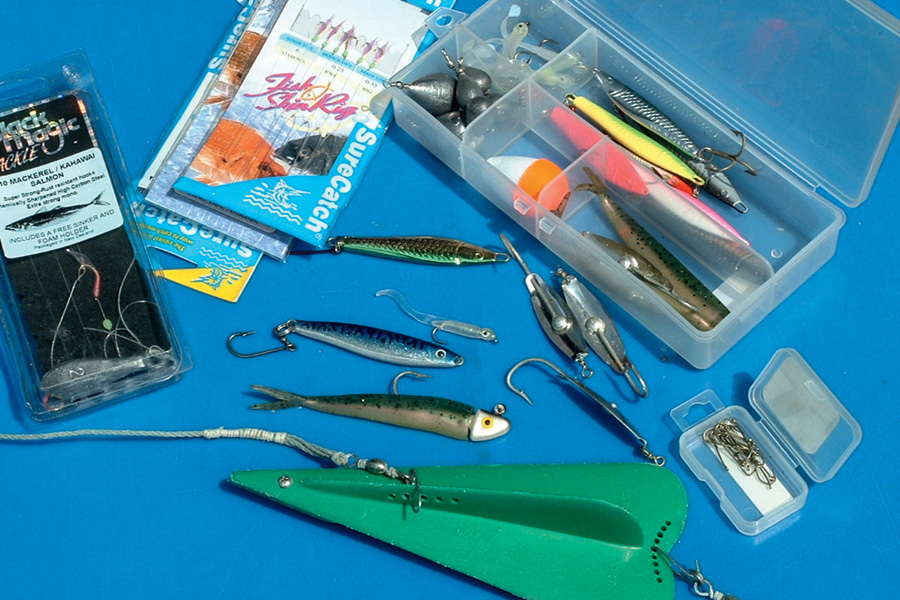
It’s therefore rather ironic that we spend much less thought on the bait we put in the water. Usually it’s a case of picking up a packet or two of pillies and squid when gassing up the boat. While these frozen baits can perform well, you may be missing out on the many potential fish-catching opportunities available had you brought along, or gathered, the right bait and presented it in a suitable way. And guess what, a lot of this bait is free!
I spend a lot of time on the water filming the Fishy Business TV show, and much of the success we enjoy is not the result of spending endless hours on the water waiting for a bite. Rather, we actively focus on techniques (and times) that will likely put fish on the line, and using bait plays a big part in achieving that.
Bait basically falls into three categories: live, fresh and preserved (including frozen). I probably spend as much time securing bait as I do fishing for table fish, so have fine-tuned my tackle and techniques for successful bait gathering.
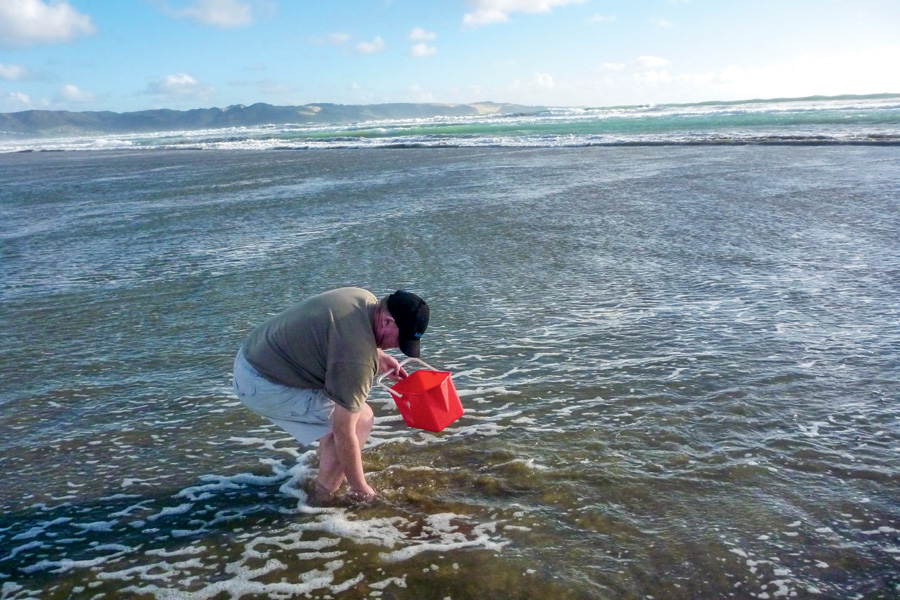
Firstly, I don’t overlook the obvious. A few minutes spent digging up some tuatua or catching some small crabs from under rocks can make a massive difference to your day’s fishing. A decent bait freezer stocked with a good range of baits will pay massive dividends over a season of fishing.
For example, my bait freezer has whole piper, mullet, kahawai, skipjack and various species of mackerel, all of which were caught while out fishing. On top of this, I have raw crayfish tails, along with fresh-frozen squid, octopus and shellfish.
Obviously, I don’t drag all this out each day, instead selecting the best baits for the style of fishing I plan to do on that trip. For example, if going surfcasting from west coast beaches, I always carry octopus and shellfish, as these baits work well on several species. The main attraction of pipi is that they can be collected while you fish, and many species of fish find it attractive, whereas octopus is very durable and is often irresistable to big snapper.
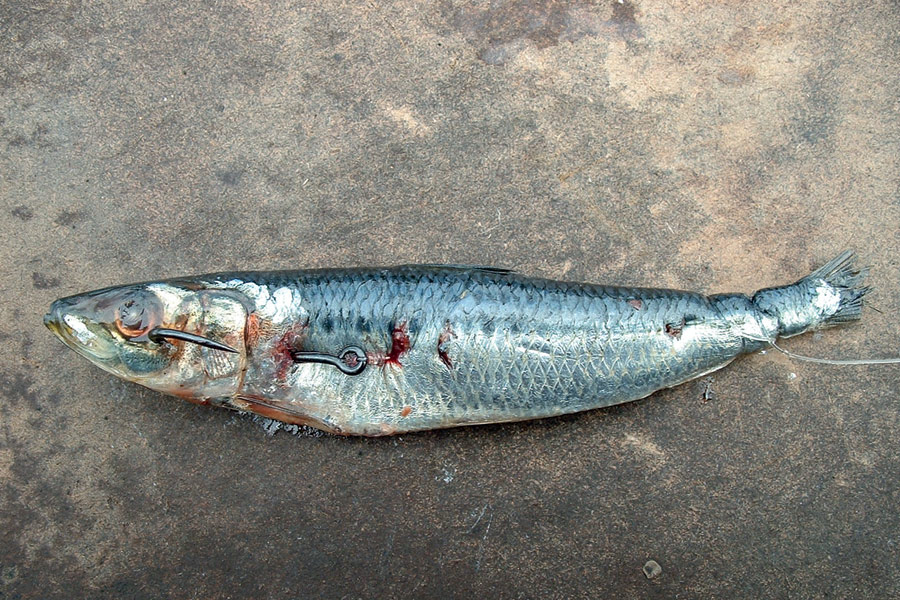
Another example is bait for kingfish. While my first choice is always fresh live baits, whole dead flying fish, squid or piper also tempt kingfish if the former cannot be caught.
By now you should be getting my drift that bait gathering and selection can be as important as lure selection. But the way we care for and prepare our bait is also very important. If you just chuck it in the freezer and forget about it, it will probably only be good for berley after a while. Consequently, bait should be frozen with care, and given some thought as to how it will eventually be used. For example, whole fish baits should be individually wrapped and laid flat, so when rigged up they are still shiny and attractive with all their natural oils intact. (Not dried out, bent, and freezer burnt!) Shellfish, on the other hand, are best shucked and frozen in pots of natural juice. They may soften when defrosted, but still work great, especially if bound on with Bait Elastic.
Skipjack, mackerel, mullet and kahawai, if freshly caught and looked after when frozen, will be reasonably firm when initially defrosted, but can become a bit mushy later on. When handling bait like this, the best option is to cut the fillets into bait-size portions, then cure the pieces with preserving salt before freezing. Salted bait is not always as good as fresh bait, but some species, especially gurnard, seem to prefer salted baits over fresh.
However, to do all this, first you need to catch your bait. Without doubt, one of the biggest must-haves for bait fishing is a set or two of sabikis, or ‘bait flies’ as they are popularly known. There are two really good techniques for fishing sabiki rigs. One is to put a very small piece of bait on each hook and hang the string over the side while fishing. The other is to actively look for baitfish schools using your electronics, and drop the sabiki flies into any likely-looking activity, with small jiggling movements providing extra appeal.
It pays to use a soft-tip rod when fishing sabiki rigs, as mackerel have soft mouths and can easily rip off, and the rod’s forgiving action also helps to protect the light hooks and traces when larger fish are encountered.
The size and colour of the sabikis are also very important. Some days small white or pink ones will work, on others, lumo green could be better.
Sinkers around 1 or 2oz seem to attract more bites when dropping into baitfish schools, with the sabiki flies often being taken while still descending. So stay alert for a suddenly slackening line; this may mean you have mackerel hooked, and if you don’t start winding, huge tangles can result.
A few small hooks are also very useful for bait-fishing purposes. By small, I mean size 12-16 size trout-fly hooks. These are brilliant when fishing for piper and other baitfish that are shy to bite. You can drift a tiny piece of bait on a hook this size and it will be taken freely. A hook pattern possessing a long shank helps with removal if swallowed right down.
Bait-fishing trips can also be serious fishing trips. I always make a point of having a day’s fishing for skipjack tuna when they come in close during the warmer months. Not only are skippies great sport, they make excellent bait for a huge variety of species. Trolling at around five to seven knots with small feather or squid lures will usually work a treat when skippies are around.
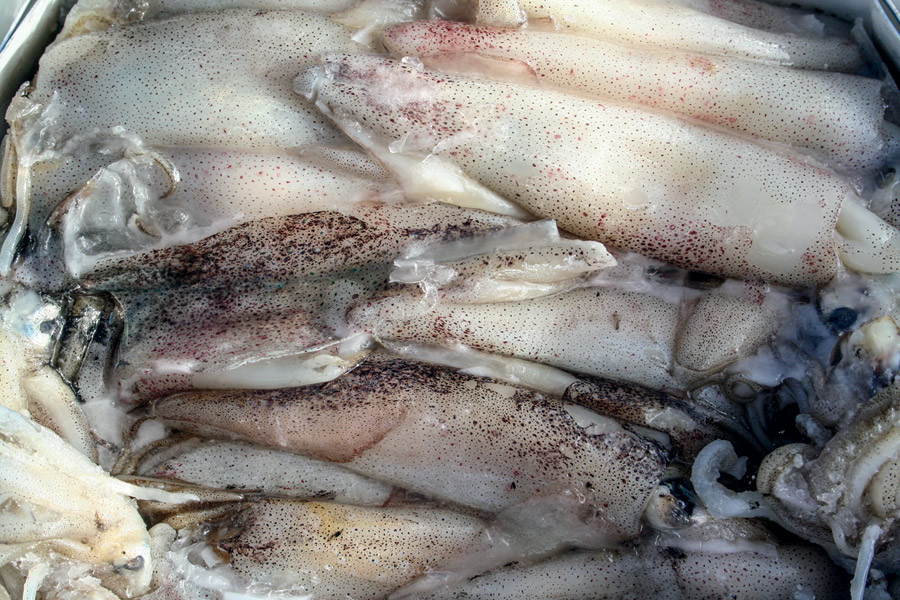
As previously mentioned, squid and octopus are great baits. Squid-fishing techniques are fairly well documented these days, so check out the many ways squid jigs can be deployed, and always carry two or three squid jigs in your tackle box.
Not much is written about octopus. It is usually a by-catch when bait fishing, but you can catch them around wharves and in rocky areas where the structure offers them shelter. The other area to look for octopus is around scallop beds, because scallops are one of the octopus’s favourite foods. Use a baited and weighted squid jig if trying to tempt an octopus.
The other really key point with bait fishing is presentation. Hook choice and leader weight play a big part, but the size and shape of the bait, as well as the way it sits on the hook, make all the difference. Too much bait on your hook can mean a choked barb and missed strikes.
As for cut baits, they should be small and slim enough for baitfish to easily inhale, as well as include some skin, making them harder to remove. Soft baits such as crayfish or shellfish must be carefully bound to the hook to withstand any casting involved and resist being pulled off the hook first touch.
Popular species and effective baits
Snapper: small to medium squid, mackerel and pilchards, and cut baits of octopus, skipjack, mackerel, mullet and kahawai.
Kingfish: live mackerel (slimy and yellowtail), koheru and kahawai, or (alive or dead) flying fish, big piper and squid.
Trevally: tuatua, mussels, and cut baits of squid, skipjack and pilchards.
Gurnard: fresh fiddler crabs, and cut baits of mullet and skipjack.
Hapuku and bass: live mackerel and blue cod, whole big squid and strips of fresh barracouta.
Tarakihi: pipi and tuatua, and squid and skipjack cut baits.
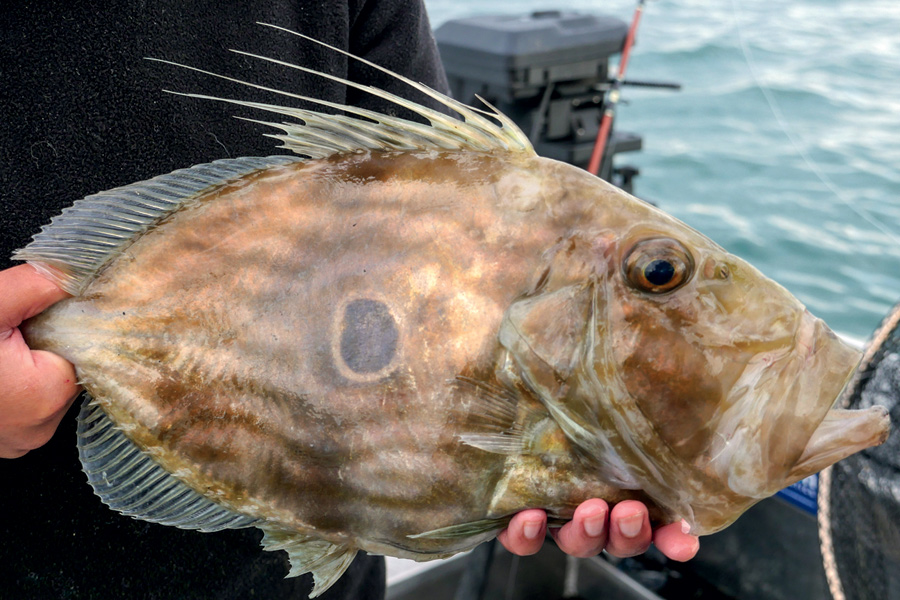
John dory: live sprats, piper and mackerel.
Kahawai: live sprats and mackerel, whole or cut pilchards, and skipjack strip-baits.
Blue cod: octopus and barracouta cut baits.
Blue moki: crayfish tail, mussels and tuatua.
Dogfish: crayfish tail, paddle crabs.
Marlin: live mackerel and skipjack, or whole kahawai and squid.
|
|

Fishing Reports Visit Reports
Outer Hauraki Gulf Fishing Report 17/09/26
Spring wind the handbrake. Spring is starting to make its presence felt in the outer... Read More >
Top of the South Fishing Report - 17/09/26
Early snapper in Tasman Bay. Well, spring is finally here, and the days are getting... Read More >
Bream Bay Fishing Report - 17/09/26
Good snapper catches reported. After Tangaroa turned off the fish tap for a month or... Read More >
Bay of Islands Fishing Report - 17/09/26
Pacific bluefin tuna for the lucky few. The last fortnight has seen more fishable days... Read More >


Friday 25 September 2026
Major Bites
 - -
- - Minor Bites
 - -
- - Saturday 26 September 2026
Major Bites
- - Minor Bites
- -
Comments