
20 top tips for jigging
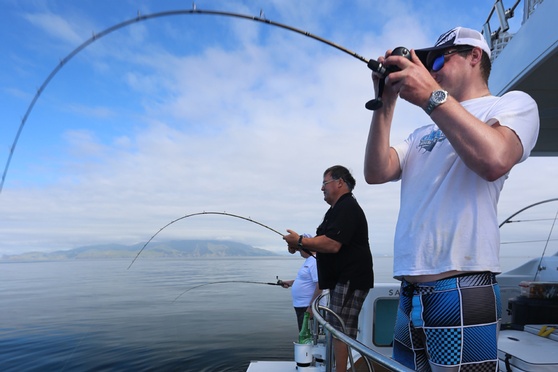
Super-keen slow-jigger Paul Senior shares 20 tips that will transform you into a finely-tuned slow-jigging machine!
When asked to write about the most important aspects of successful slow-jigging, the first thought that came to mind was: which designs do I include in that category? With so many metal lures on the market now, I had to think for a while before deciding it should be the following: inchiku jigging; sliding lures; and slow-pitch lures.
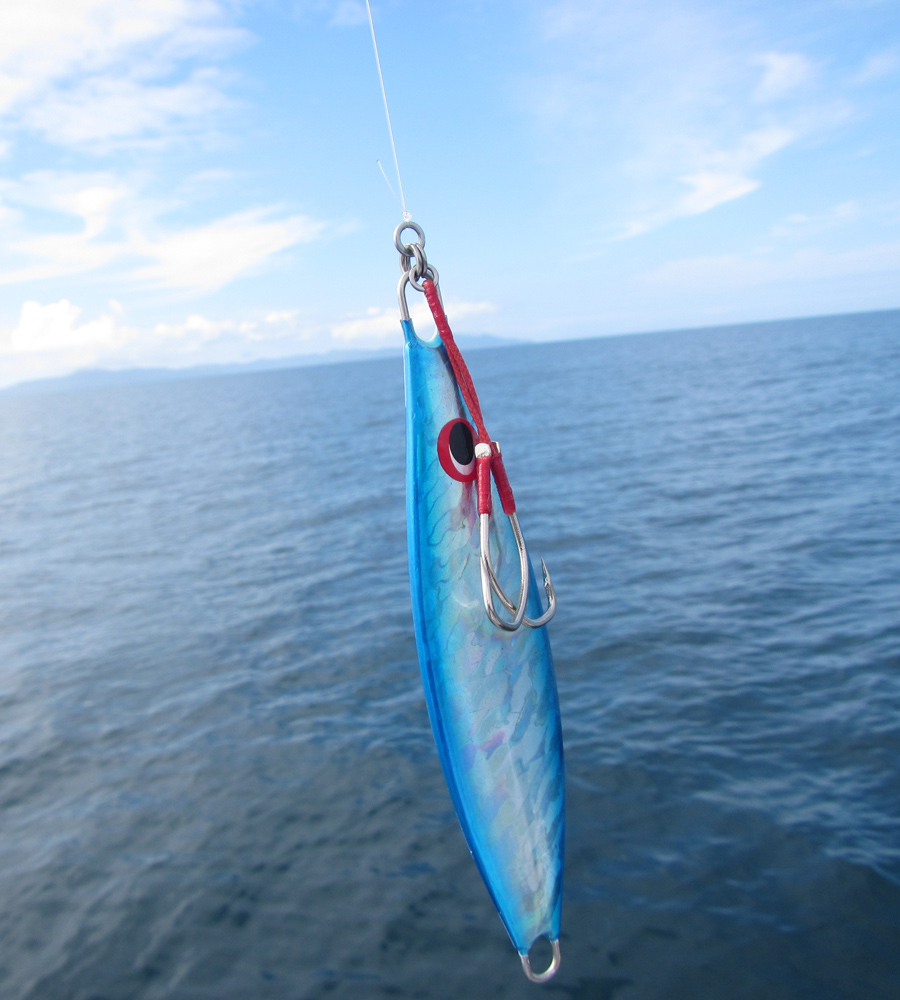 These three styles of lures are all used with slower than normal techniques that make them particularly well suited to targeting snapper, and the reason I say this is because of how snapper behave. Think of snapper – especially the bigger models – as being fat and lazy; they don’t want to dart around chasing food and would much rather eat something that has just died or can be easily caught. Remember, these fish are scavengers and want to use minimal energy to catch food, which is why the slow methods of lure fishing, collectively called slow-jigging, suit snapper so well.
The two-stage approach
When teaching people to use these types of lures, I ask them to participate in two different phases of fishing upon reaching likely fishing grounds. The first involves attracting the fish to the boat, while the second hooks the buggers.
As it’s the up-and-down vertical movements of the lures that attract snapper to the boat, upon reaching a likely-looking area, I encourage the anglers to take it in turns winding to the top and dropping down again on a regular basis, ensuring that at least one lure remains down deep in the target zone. Once the snapper turn up, it’s time to slow everything down so your lure spends a lot more time close to the sea floor.
Basic overview
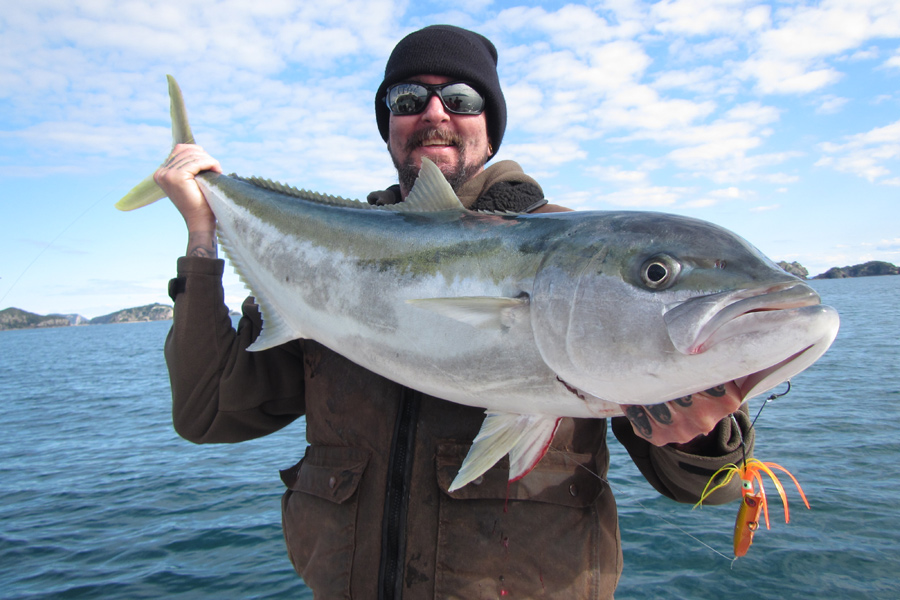 When targeting lazy old snapper, start thinking like they do and you will catch more fish. The sea floor is home for snapper, and they get nervous the further they rise off it. Consequently, when winding inchiku and sliding lures up from the sea floor, they will chase and nibble them to a certain point before bailing out and returning to the bottom. You need to be aware this happens, and drop your lure straight back down when the nibbles stop. It therefore becomes a game of you teasing the snapper into biting the lure before it turns back – a bit like teasing a kitten with a piece of paper on a string.
1. Reduce the speed of your drift with a decent Sea Anchor; a large parachute-style chute works much better than the cheap, plastic funnel types. To me this is the number one must-have tool for all drift fishing.
2. Use the right rod: bendy rods slow the lure’s action nicely; overhead rods are the way to go, offering improved contact during lure descent, so anglers can detect bites on the drop more easily.
3. Have the right reel for the job. Once again, overhead models are preferred (excluding bait-casters, as most don’t allow good line-control access), and having a silky-smooth drag is really important.
4. Use fluorocarbon leader for slow-pitch jigging; I use 30lb (15kg) for sliding lures and 20lb (10kg) for inchikus. Make sure you replace the leader before each trip, or at least renew the knots.
 5. Learn how to tie decent braid-to-leader knots (i.e. the improved Albright, involving five/seven turns up and five/six back down), as well as a chain knot to attach your slow-pitch jigs. YouTube is a great place to learn these knots.
6. Better quality lures are more expensive for a reason, their design and components making a significant difference to your catch rate. Cheaper copies often fail to grasp small but key elements.
7. Ensure the lures have hooks that are strong enough to handle our New Zealand fish. I suggest rigging up as though you expect to catch a 30lb-plus snapper, as at least three such fish have been caught on slow-jigs over the past
few years. Also, if the hooks are too small, you catch too many undersized fish, which is wasteful when caught in deep water.
8. Slow-pitch jigs need to be rigged correctly so the assist hooks hang down on the lure’s flat side, the two hooks pointing in opposite directions. Get it wrong, and you will catch bugger all, because the jig falls down horizontally, leaving the hooks positioned very poorly.
9. Be prepared to cover plenty of area to find the fish by either driving in your boat or drifting. You are not waiting for the fish to turn up, you are tracking them down using surface sign and the sounder.
10. Have your sounder screen split with max zoom on one side, so you can detect any snapper hard on the bottom. Reasonable sign should be fished over, and any tight-packed baitfish sign investigated further.
11. Play with your sounder’s gain control when you know there are snapper around (generally snapper look like marbles lying on the bottom), turning it up until you see the fish. Now note the setting.
12. The braid line is relatively light and you will hook into big snapper and kingfish, so set your drag according to your line weight, and check it throughout the day.
13. Use the best technique for the various types of lures. With sliding lures, drop to the bottom and wind up slowly, about one second per turn of the handle, whereas inchikus are dropped to the bottom and wound up steadily – about 1.5 handle turns every second.
14. Slow-jigs still work very well away from work-up situations. Again, use your sounder to find the fish sign and drop down onto it.
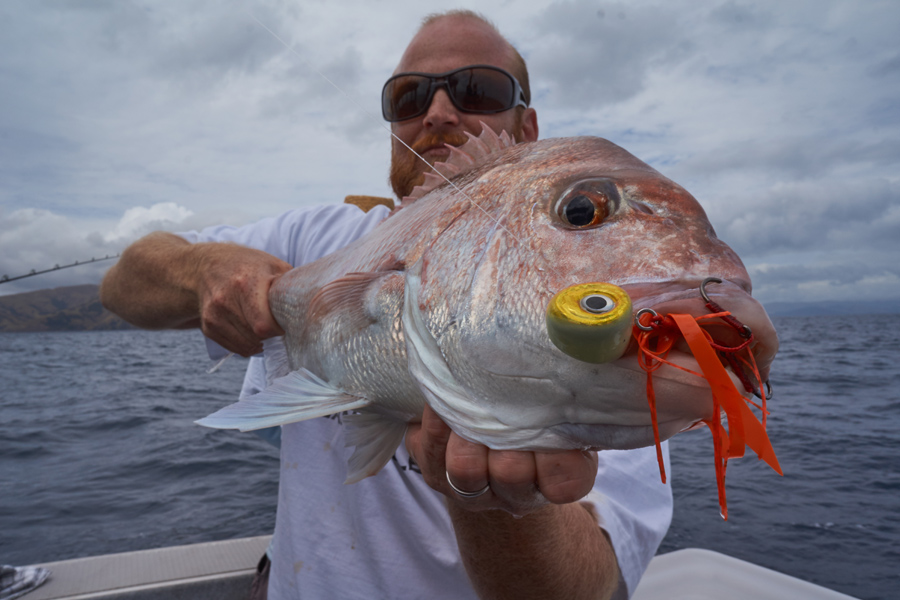 15. If it’s slow during the cooler months, try doing long drifts, winding the lure up and dropping down again until the snapper show up; the fish can start following you and the bite appears to increase the longer you drift. It’s a technique I use when everything else fails.
16. Do not strike when you get a bite; let the snapper nibble away for a few seconds before steadily sweeping the rod upwards. I use the word ‘sweep’ because the speed and power of the action is similar to that used when sweeping the floor with a broom. I call it the sweep-strike.
17. When the fish is pulling string, let it run. When it stops, it’s your turn. Do not use your thumb for extra drag, keep your rod reasonably horizontal, and make sure it stays loaded throughout the fight. If your line goes slack, even for a second, the hooks can fall out.
18. If the fish gets off during the fight, instantly drop the lure straight back down again; I have often seen a bigger snapper jump on. Maybe the bigger ones follow the hooked smaller ones waiting for an opportunity?
19. Land your fish with a rubber-meshed net, as string nets and slow jigs do not go well together; lure hooks tangled in string mesh can be very frustrating.
20. Slow-jig hooks tend to be very sharp, so wear a pouch with a pair of pliers or keep them in your pocket, so you can remove the hooks from caught fish. Getting nailed by a thrashing fish is no fun, so use pliers for your own safety.
Slow-jigging is heaps of fun and super effective, so give it a go!
|
|

Fishing Reports Visit Reports
Outer Hauraki Gulf Fishing Report 17/09/26
Spring wind the handbrake. Spring is starting to make its presence felt in the outer... Read More >
Top of the South Fishing Report - 17/09/26
Early snapper in Tasman Bay. Well, spring is finally here, and the days are getting... Read More >
Bream Bay Fishing Report - 17/09/26
Good snapper catches reported. After Tangaroa turned off the fish tap for a month or... Read More >
Bay of Islands Fishing Report - 17/09/26
Pacific bluefin tuna for the lucky few. The last fortnight has seen more fishable days... Read More >


Tuesday 29 September 2026
Major Bites
 - -
- - Minor Bites
 - -
- - Wednesday 30 September 2026
Major Bites
- - Minor Bites
 - -
- -
Comments