
Blue Cod
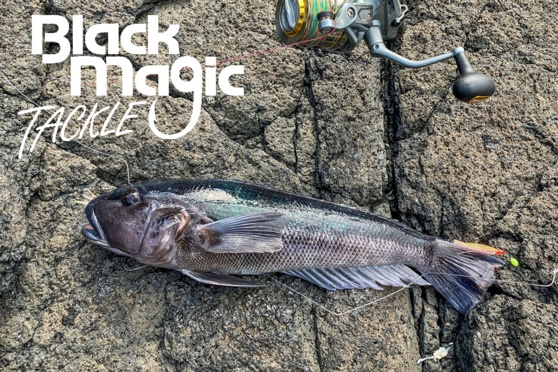
Māori name: Rāwaru; Pākirikiri
Scientific name: Parapercis colias
All-tackle NZ record: 4.31kg
Eating quality: Excellent
Description
Irrespective of their modest size and pugnacious looks, blue cod have long been a staple species for southern kiwi anglers. And no wonder. They can be found right up in shallow water, they are easy to catch, and their delicate white flesh makes them one of the tastiest fish around.
Blue cod grow to around 70cm and are voracious, opportunistic scavengers. They will eat just about anything presented in their vicinity, including baits and lures of appropriate size. In one location, 52 different prey species were identified as part of the blue cod diet!
Juveniles have a whitish body with two brown stripes running their entire length and maturing fish darken to brown and then a mottled grey. When they reach about 30cm, a further change to green or blue occurs, from which the species draws its name.
Blue cod are hermaphrodites, with individuals over a large length range changing sex from female to male. Spawning occurs in coastal and outer continental shelf waters and varies in timing between locations from late winter to early summer.
Where to catch
Blue cod are found right around New Zealand from Stewart Island to the Three Kings Islands but are especially prolific in more southern climes. Stewart Island, the Chatham Islands, Foveaux Strait, and along the Fiordland coast are well-known blue cod fishing meccas.
Predominately inshore bottom-dwellers, blue cod are commonly found near reefs and around rocky areas, although they can be found over mud and sand too. In many areas, blue cod have a clear preference for areas of rock and weed running off onto sandy bottoms.
Blue cod are incredibly inquisitive and extremely territorial and will often approach divers and nip their fingers. Because of their territorial nature, they are susceptible to overfishing.

When to catch
Blue cod feed during the day, with activity peaking at dawn and dusk, and appear not to feed at all during the dark hours.
Although blue cod are territorial, in some areas there appear to be seasonal movements into shallower waters. For example, in northern areas like the Bay of Plenty and Hauraki Gulf, they seem to be more prevalent inshore during winter.
How to catch
Once located, finesse is generally not required to hook a few blue cod. As blue cod are not strong fighters, they can be caught on very light tackle. However, reasonably heavy gear is often used due to the reefy ground they tend to inhabit and the harvesting attitude of many cod anglers. In some remote areas, a bit of 8mm rope with several large, long-shanked hooks spliced in and half a sash weight added to the bottom serves to harvest a feed of cod. And the bait? Why, blue cod, of course!
.jpg)
Bait fishing
Blue cod are absolute suckers for a baited ledger rig and will take most baits. They are not picky about old smelly bait either, sometimes seeming to prefer it to fresher stuff. Try to cut strip baits so there’s some skin on one side to help it survive the nibbling and ragging of other reef fish and small cod until a reasonable fish comes along. In all cases, make baits slim; while cod have big mouths for their size, thinner baits are more easily gulped down. If there is a ‘secret weapon’ bait for blues, it is probably p?ua gut.
Add this to a flasher rig, and you should catch pretty much any cod that swims.
Although cod are effectively caught with nylon mainlines, braid is far better for cutting through tidal flow, transmitting bites and providing hook-ups. Use reasonably large hooks to deter or avoid the smaller cod present, and as blue cod spin and twist around while being retrieved, swivels are an important component to remember.
Lure fishing
Lures of many varieties will attract the curious blue cod. A simple and effective technique is to drop the lure to the bottom and yo-yo it up and down. Soft-baits, sliders, inchikus, and slow-pitch metal types can all be applied in this way and are best rigged with single hooks for easier unhooking.
If soft-baiting, err on the heavier side of jig-head to ensure more bottom time. Blue cod don’t have a lot of bulk to set big hooks into, so jig-heads should be armed with small and sharp hooks. The tougher brands of soft-baits are also recommended to counter their nasty wee gnashers.
The gear for the job - Black Magic Tackle
Baited flasher rigs work well. When a blue cod is hooked it will twist and spin a lot on the line, so you need to have a strong trace to prevent the line from breaking or being twisted beyond repair.
Snapper Snatchers or Snapper Snacks, despite the name, work very well for blue cod. These rigs are tied using Black Magic 80lb Tough Trace, which is durable against the reef areas that are often fished, and also makes it much easier to untwist the trace if you hook a blue cod.
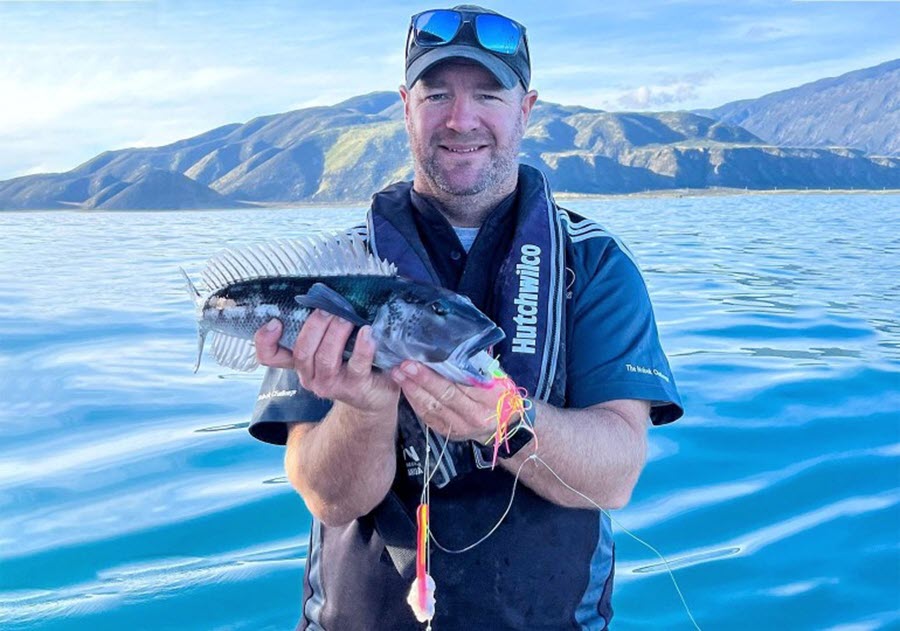
Slow jigs also work very well for catching blue cod. They can be much easier to use given you don’t need a sinker and bait, so the gear feels lighter when using it, and often attract the bigger, more aggressive fish given their territorial nature. Black Magic Sunakku slow jigs are great for chasing blue cod, as it’s a very clean way of fishing, and they produce results. Ensure you work the full range of the water column where you can see fish on your sounder. Using colour-marked braid such as Black Magic Rainbow Braid Elite 8x (which has indicators for every 1 metre and 5 metres) is a good way of knowing how far off the bottom you are.
Fishing Reports Visit Reports
Canterbury Fishing Report - 01/10/26
Freshwater season underway. Wow, it’s October already, and our freshwater season is underway, and the... Read More >
Top of the South Fishing Report - 01/10/26
Snapper about but not yet firing. It’s certainly nice to see daylight savings upon us... Read More >
Hauraki Gulf Fishing Report 01/10/26
Big reds in the shallows. The weather has made getting out on the water challenging... Read More >
Bay of Islands Fishing Report - 01/10/26
Snapper moving in. A few Pacific bluefin are still gracing the weigh stations with last... Read More >


Tuesday 13 October 2026
Major Bites
 - -
- - Minor Bites
 - -
- - Wednesday 14 October 2026
Major Bites
- - Minor Bites
-  -
- Latest Articles
Yellowfin Tuna Trolling & Topwater Fishing
October 2026If there’s one thing the last season has taught Kiwi anglers, it’s that yellowfin can be found in places – and conditions – that might surprise... Read More >
Trout Fishing in Rabbit Country
October 2026Early to mid-December is a great time to be fishing for both trout and perch... Read More >
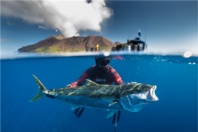
Spearfishing Tips & Tricks
September 2026The South Seas Spearo team provide some salient advice for spearfishers about how to get the most out of their time in the salt this season... Read More >
New Fishing Tackle - Spring 2026
September 2026Check out these hot new products, fresh out this spring... Read More >
NZ Saltwater Fly Fishing Seasons
September 2026Sandflats and mudflats are beautiful fish-rich habitats that are particularly suited to fly fishing... Read More >