
Using Fish Offcuts
- Kai Ika
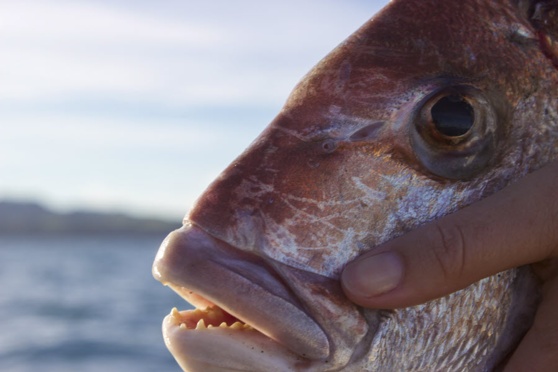
So, you’ve enjoyed a rather successful day out on the water, filleted your fish and now you’re left with heads and frames you don’t know what to do with. No problem!
There are many ways you can utilise your fish offcuts. The most productive way to use heads and frames is to cook them using one of the many recipes available on our website – kaiika.co.nz/recipes. If you decide you’d rather not keep them, there are plenty of people who would happily accept them. Aucklanders can now donate their fish heads by dropping them off to the Kai Ika fish filleting trailer at Westhaven Z Pier. We will make sure this kaimoana ends up in the homes and bellies of appreciative people. If you live in other parts of the country, simply jump on freefishheads.co.nz and connect with someone in your local area.
But what to do with the leftover inedible gills and guts? Again, no problem!
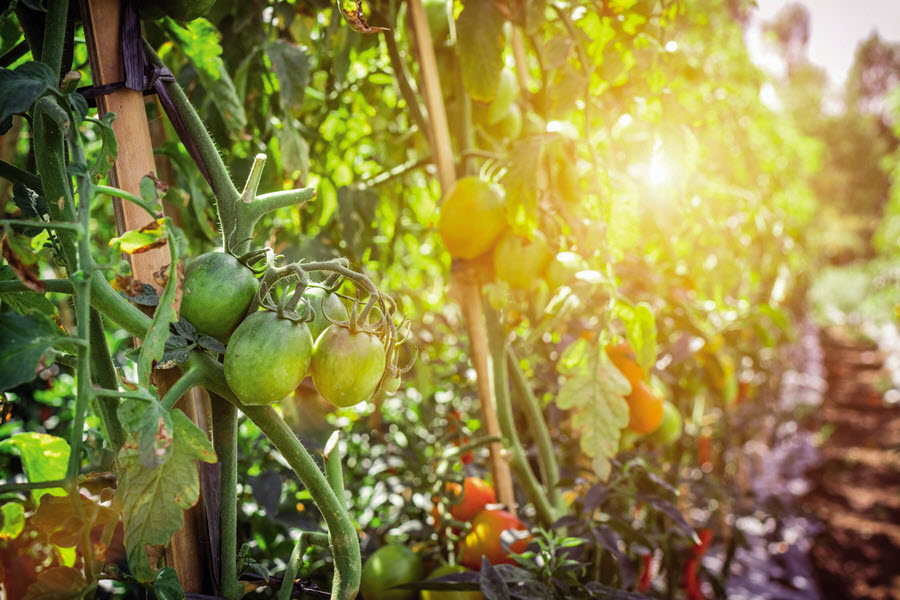
Fish waste makes an ideal 100% organic fertiliser for your garden. It has high concentrations of important nutrients such as nitrogen, potassium, and phosphorus, and other elements essential for plant health and development.
The easiest way to use your fish waste is by simply burying the contents. We suggest burying it over a foot deep to reduce any smell and to avoid your dog digging it up. Plant over the top and after some time, the fish will slowly decompose, releasing nutrients into your soil. After a season or two, you’ll wonder why you didn’t do it sooner.
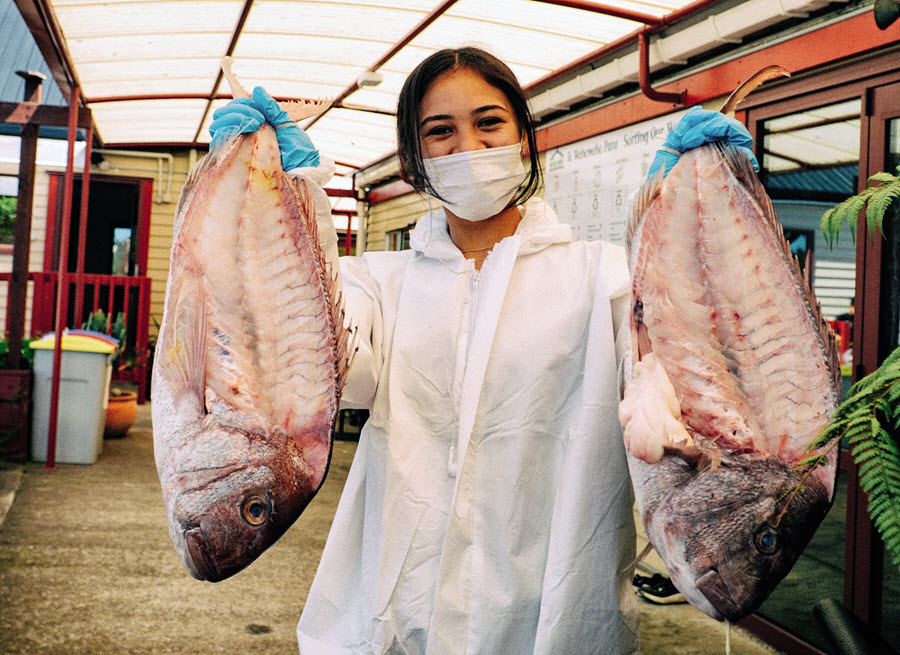
Composting is an option; however, it is recommended you add it deep into your compost and only if you do not intend to turn it for a while as it needs time to decompose.
Another easy and non-stinky way to manage your inedible fish parts is through a Japanese developed system called bokashi. Translated as ‘fermented organic matter’, bokashi pickles your food waste, unlike traditional composting that allows material to decay. You can purchase a bokashi starter at your local hardware store. If you’re dealing with a large quantity of fish scraps and burying it isn’t an option, you can make a fish hydrolysate – a fancy name for a type of fertiliser. This process takes a little longer, but the rewards are far greater.
Fish hydrolysate is produced via a low temperature catalysing process, resulting in a nutrient rich liquid. This liquid, when added to gardens promotes the growth of beneficial organisms. It is the organisms within soil which break down matter, allowing nutrients to become available for plants to utilise. In addition, the NPK (nitrogen, phosphorus, and potassium) ratio of the fish fertiliser is the perfect blend of essential nutrients to promote healthy plant growth.
KAI IKA FISH HYDROLYSATE
1L/ 1 KG Fish scraps
• 3L Un-chlorinated water
• 330mL Raw unrefined sugar (Molasses, syrup or honey)
• 30mL Lactic Acid Bacteria (Effective Microorganisms) You can make Lactobacillus culture at home using any of the easy DIY recipes online.
Method:
1) Throw your fish scraps into a mincer or blender and mash it up into a fine mince.
2) Find a container or drum that can be sealed and add the fish, water, sugar, and microorganisms. (The sugar feeds the bacteria which break down the organic material.)
3) Mix the concoction together and seal the container shut.
4) Install a one-way valve on the lid or create small openings to allow the built-up CO2 to escape – this is an important step as the lid WILL explode otherwise.
5) Let it sit for 4-8 weeks. 6) Once the solution loses its decaying smell (it will smell like vinegar), strain out the solids and you’re left with liquid gold! The product must be diluted prior to garden application – 1Tbsp of fish hydrolysate to 2L of water.
Fishing Reports Visit Reports
Tauranga Fishing Report - 28/05/26
Tarakihi on the bite Trips are few and far between at this time of year,... Read More >
Canterbury Fishing Report - 28/05/26
Fresh and salt turning it on! It is not very often I get to say... Read More >
Bay of Islands Fishing Report - 28/05/26
Lures paying dividends We finally had a break in the SE winds that have been... Read More >
Manukau/West Coast Fishing Report - 28/05/26
Snapper and gurnard in the harbour The weather has finally taken a turn for the... Read More >


Major Bites
Minor Bites
Major Bites
Minor Bites
Comments