
Catching Flounder on Small Baits & Lures
Albert Lyu shares some techniques for targeting flounder on lures...
Flounder are a common fish species throughout New Zealand, yet they are rarely targeted by anglers here. Over the last few years of exploration and learning, I’ve picked up a few tips that I’ll be sharing in this article, particularly for catching the most prolific flounder species in NZ, the yellowbelly, on softbaits.
Structure and tide
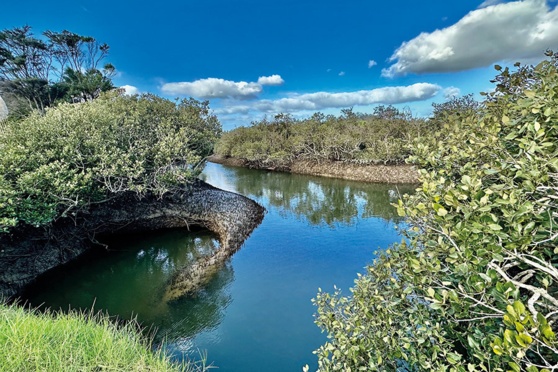
Yellowbelly flounder, hereafter simply referred to as flounder, can be found in a wide variety of inshore areas. I’m based in Whangarei, and the terrain here creates great flounder habitat in the form of sheltered bays, harbours, estuaries, and creeks. Look for flat sand and mud structure with evidence of flounder food such as crabs, shrimps, and small fish – I like to fish areas where I’ve identified dense patches of small holes where flounder prey is found.

It is helpful to explore potential fishing spots at low tide. For uncertain locations, it is better to explore with a mate. After all, safety always comes first, and there is a risk of getting stuck in a quagmire and becoming someone else’s rescue mission.
Flounder use the incoming tide to feed over the mudflats as the water level rises. Although concentrating on the incoming tide is an effective way to fish as a beginner, flounder can be caught at any stage of the tide cycle depending on your understanding of the spot.
Tackle
Over the years I have fished for different flounder species in Texas, New York, and China – all very predatory fish with large mouths and fierce strikes. But in NZ, the traditional fishing method is to use a net or a harpoon paired with a flashlight to target them in the dark of night.
Although NZ’s yellowbelly look a little timid, they can be quite aggressive, making them susceptible to lure fishing methods. Small softbaits, microjigs,and flies effectively ‘match the hatch’ for flounder’s typical food sources of crabs, shrimps and small fish. Light tackle, such as aji rods and reels, and finesse are required in order to fish such small lures effectively.

I primarily employ softbaits for NZ flounder. A range of jigheads can be used from 0.8g-5g, as long the hooks are small. A 3g jighead with #4 hook is my most used jighead – if there are many holes or the bottom is very soft, heavier jigheads can sink into the mud. Shrimp-based softbaits, such as Berkley PowerBait 1”/2cm Power Nymph Pearl Olive Shad, or mini jerk baits in 1.25-1.5” are good choices. These lures will attract the attention of sighted fish and can also be used for blind casting when the water is muddy. As for line, I use 20lb green braid mainline with 6-8lb flourocarbon leader.
I usually take two fishing rods on trips so I can instantly switch offerings. I have a handmade rod that is capable of casting smaller starting from 0.8g, which is helpful for particularly alert fish that follow but don’t bite the larger baits. Skilled casting techniques such as pitching, roll pitching and flip casting are helpful when trees or steep banks are behind you. Overhand casting and shaking trees often scare the fish away!

Fishing technique
Flounder are masters of camouflage and staying alert, so sight fishing on clear and windless days is the most effective way to unlock your first flounder catch. When you have become more proficient, you can try to use blind casting to open up fishing possibilities on different tides and periods such as cloudy days, rain, and muddy water.
A crucial tip I tell beginners when sight fishing is not to take a step until you have fully studied the area around you – a flounder might be right by your feet. When a fish is sighted, aim your cast so you can drag the lure very slowly in front of its mouth. If a flounder is spooked, revealed by the telltale puff of mud, don’t fret. Instead, throw out a few casts with slow retrieves and keep your eyes peeled – often they will come back to the same area and settle back down. In a nutshell, always be cautious, patient, and meticulous when flounder fishing.

Upon hooking up, be careful if you’re using very thin line and leader. Flounder can give a good account of themselves on the rod, and may even jump out of the water during the fight. I often encounter several fish in one area at the same time, so once a fish has been slid up the mudbank, it pays to get ready to go again right away.
I recommend using ikejime on flounder you’d like to take home. It is easy to penetrate through their bone marrow by inserting a steel wire from the top of their undersides. And don’t forget to bring a cooler backpack to keep them fresh – they’re quite delicious and will go well with any dish. NZ has rich flounder opportunities, and I hope more can enjoy the thrill of flounder fishing here!


July 2023 - Albert Lyu
New Zealand Fishing News Magazine.
Copyright: NZ Fishing Media Ltd.
Re-publishing elsewhere is prohibited
Fishing Reports Visit Reports
Manukau/West Coast Fishing Report - 15/10/26
Big spring snapper in 60 metres. The El Niño weather pattern isn’t going to be... Read More >
Rotorua Fishing Report - 15/10/26
Solid start to the season! The Rotorua lakes have all started the season well, and... Read More >
Tutukaka Fishing Report - 15/10/26
Big snapper in shallow. Things remain relatively quiet on the fishing front out of Tutukaka,... Read More >
Tauranga Fishing Report - 15/10/26
Bait and temperature on the rise. It’s been great to get out and see some... Read More >


Sunday 25 October 2026
Major Bites
 -
Minor Bites
 - -
Monday 26 October 2026
Major Bites
- - Minor Bites
 - -
Comments