The Purchase

New or second-hand? Whatever the case, a sea trial is essential. You would never buy a car without test driving it, and the same holds true when buying a boat.
New or second-hand?
If you can afford it, there are a lot of advantages to buying a new boat from a reputable dealer. It may be more expensive than second-hand, but:
- You can get the boat and motor combination you want, rather than the choice being dictated by what is available second-hand.
- New boats can often be customised to your specific needs during the build.
- You will have a warranty if something does go wrong.
- You know the history of the boat and engine.
Even if you do go for a second-hand rig, it is a good idea to buy through a reputable marine dealer, as:
- Usually, the rigs are good quality and have undergone checks.
- You are covered under NZ consumer law and a warranty.
Whether you are buying a pre-owned boat online, through a friend of a friend, or by visiting local boat dealerships, start by creating a list of desirable features, then use this to eliminate unsuitable rigs. Work out a budget to make sure you can afford to buy and run your boat, and check that your tow vehicle can pull it (or factor in the cost to upgrade your tow vehicle, too!).
Second-hand boat pitfalls
Here is a checklist of common potential issues that should be checked before buying a second-hand boat:
- Has the motor been serviced regularly? Be sure to sight the service history yourself.
- When was the oil and the water pump last replaced?
- Is the battery in good condition?
- Hull integrity – apart from obvious damage, check for osmosis in GRP and corrosion in alloy.
- Trailer integrity – check for rust in galvanised steel; cracking at stress points and welds (in alloy especially); wheel bearings (check for rumbling bearings and heat build-up after towing); brakes and brake line condition; corrosion in wiring; roller condition and free movement; bad rusting or breakages in leaf-spring suspension; tyre tread depth; and safety chain/s condition.
- Ownership – is the vessel unencumbered? Motorweb Vehicle Information Authority can tell you if the trailer is stolen and if money is owed on it. You will need the registration number of the trailer, and there is a charge for this service.
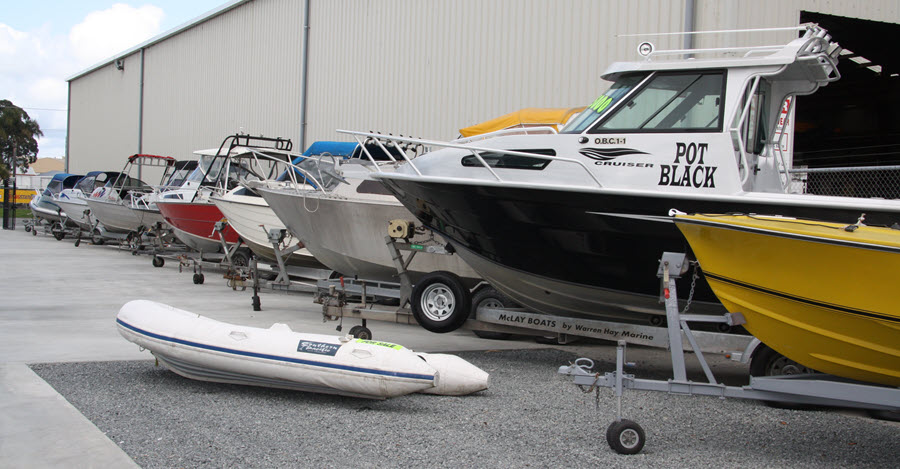
- Check the Police database to see if a boat is stolen. Some indicators that a boat might be stolen are:
- a very low price;
- boat serial number tag missing;
- short-term ownership and no valid reason to sell;
- no registration papers;
- no details of previous owners available;
- registration date of the trailer not matching the manufacturing date of the boat.
- Is the motor stolen? Check the serial number on an aluminium tag or sticker that is attached to the transom-mounting bracket. The serial number may also be stamped into the frost plug that is located in the block of the outboard motor. Be sure the serial number is not missing, and check it on the Police database.
The sea trial
You may potentially be paying some big bucks for your boat, and you can only tell so much about a boat on land. Don’t waste people’s time and money if you are just kicking tyres, but if you’re serious about buying the boat, go out for a test run of the prospective purchase at sea (or a demonstrator if you are looking to order a new boat). The owner or dealer can then demonstrate how everything works, and the potential buyer can ensure they are confident helming the boat.
If you have not had a lot of experience with boats, take someone with you who owns a boat or has some knowledge, to get a second opinion and to check for things you may not have thought of. Try to take along any family members who may be involved. If the boat is a larger, more expensive one, it may be worth getting a professional appraisal from a marine surveyor.
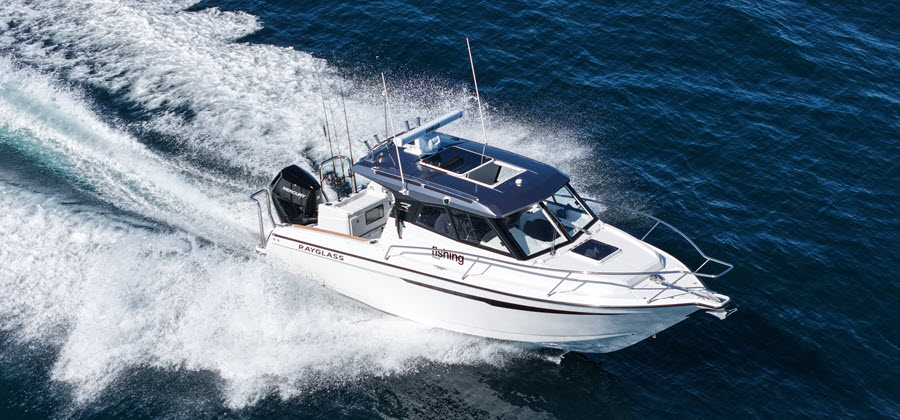
If any particular aspect of boating is most important for you, such as fishing, water sports, or family cruising, discuss these aspects with the owner or dealer. Also ascertain who is paying for the fuel during the trial, so there are no misunderstandings. Try to do the sea trial in moderate conditions; if it is too calm, you will not learn much about the boat’s performance.
Here is a checklist of some aspects to explore during the sea trial, especially for a second-hand boat:
- Be clear on what accessories are included in the deal.
- Ask the owner to explain all the controls and instrumentation.
- Check the marine radio and any safety equipment.
- Watch and learn how the boat is launched and be sure you are comfortable with the physical effort. If it is a hassle to launch or retrieve, you won’t use or enjoy the boat as much.
- Find out how any battery master switch and fuel controls work and how to start the engine. This should start quickly and easily and then idle smoothly.
- Listen for unusual sounds like squeaks and rattles or engine alarms, and observe the overall levels of noise and vibration.
- Ask the owner to demonstrate the best trim settings for various sea conditions.
- Check that the engine and prop are suited to the boat.
- Ensure the boat doesn’t ‘porpoise’ (bow rising and falling) or ‘chine-walk’ (tipping from side to side at high speed). Be sure the hull turns smoothly without excessive banking or skipping on the corner. See how easily the boat comes onto the plane, and how slow it will hold the plane.
- Check gauges, electronics, and engine monitoring.
- Check fuel use and visibility for the helmsman.
- Check the engine for fumes, excessive heat, or oil or water leaks.
- Move around the boat to see how stable it is at rest.
- Try all the seats for comfort and support when underway.
- Assess the steering. It should be reasonably light and comfortable to use.
- Engage reverse to see how the boat handles going astern (tilt the engine up a bit and keep the speed moderate when doing this). Also see how the boat manoeuvres at low speed and how it handles higher speeds.
- If water sports are on the agenda, check that the boat and engine’s performance is adequate.
- Back at the ramp, allow the owner to retrieve the boat onto its trailer, and make sure you’re comfortable with the technique.
- As soon as the boat is back on its trailer, remove the transom drain plugs and check that little or no water comes out.
Insurance
As with a car, boat insurance is important. While your boat may be covered on a general or contents policy while the boat is stored at your home, once you tow it away from your front gate, more comprehensive cover is advised. Marine insurers often know boats better than general insurance companies, and their rates can be cheaper, too.
There are many different policies on the market ranging from full cover through to part-time (winter storage) options. Boat insurance can potentially cover things like accidental and malicious damage, fire, theft of and from the boat, personal effects including fishing gear, clothing, waterproof gear, wetsuits, and glasses, issues encountered when trailering, and third-party damage. Some boat insurance policies also cover a range of other situations you might not think of, such as vermin infestation or engine damage from motor overheating when there is an external blockage.
Check for any situational or area exclusions. For example, some policies exclude boating off the west coast of New Zealand or more than a certain distance offshore. Some marinas around New Zealand require berth-holders to have marine insurance with cover including infrastructure such as marina pontoons and piles.
Insurance can cover damage to the boat and recovery costs (including removal of fuel) if a boat sinks following an accident or storm. A policy can also cover a usually moored boat when it is out of the water, or a trailerboat while it is moored. Other potential coverage may include emergency towing at sea or on land and liability cover when you’re using your boat for water skiing.
Insurance should be organised and in force before you pick up your new boat. Consider the uses it will be put to and the regions where your boat will be used, and choose an insurer and policy accordingly.
Sealing the deal
After you reach an agreement with the dealer or owner of the boat, there is some paperwork to complete and training experiences to consider:
- Sales and purchase agreement and a receipt after the boat is paid for.
- Change of Registration and check the WoF of the trailer (recreational boats are not registered in New Zealand, just the trailers).
- Learn the rules and responsibilities for skippers.
- Inexperienced boaties should consider doing a Coastguard Day Skippers course before venturing forth in their new craft. Some boat retailers include this as part of the deal.
Common Questions
Is it better to buy a new or second-hand trailer boat?
Buying new gives you the advantage of choosing your preferred boat, engine and accessories, with the reassurance of a manufacturer's warranty and known ownership history. A second-hand boat can offer better value for money, particularly if it has been well maintained. Buying through a reputable marine dealer can provide additional reassurance, including checks, warranties and protection under New Zealand consumer law. Your budget, experience and intended use should all influence the decision.
What should I check before buying a second-hand boat?
Before buying a second-hand boat, check the service history and condition of the engine, including when it was last serviced and whether the oil and water pump have been replaced. Inspect the hull for damage, osmosis or corrosion, and thoroughly check the trailer's brakes, bearings, tyres, suspension, wiring and safety chains. Also verify ownership and check that the boat and motor are not stolen or subject to outstanding finance. If you're unsure about the boat's condition, consider having it professionally surveyed.
Why is a sea trial important when buying a boat?
A sea trial allows you to assess a boat's performance and handling in real conditions before committing to a purchase. You can check how easily it gets onto the plane, how it handles turns and rougher water, engine noise and vibration, fuel consumption, steering and stability. It's also an opportunity to test the electronics and controls, assess seating comfort and make sure you're confident handling the boat. Taking an experienced boatie along can help identify potential problems you might otherwise miss.
Continue Reading


Sunday 29 November 2026
Major Bites
 -
 -
Minor Bites
 - -
Monday 30 November 2026
Major Bites
- - Minor Bites
- -