
Hitting the Water
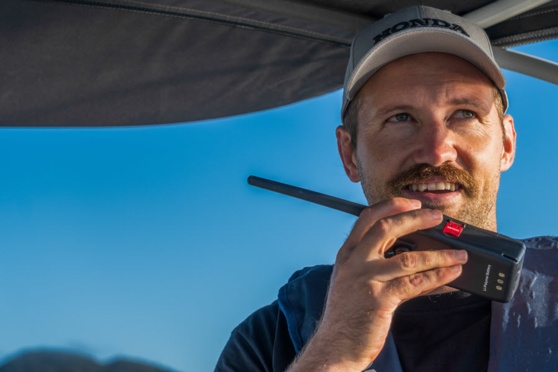
Now that you have purchased your new rig, it is time to head out onto the water, but there are a few things you need to take care of.
Lifejackets and safety equipment
New Zealand's lifejacket rules require the skipper to carry a correctly sized, serviceable lifejacket for every person aboard, regardless of vessel size. Since 9 October 2026, everyone aboard a recreational vessel six metres or less in length must wear a lifejacket whenever the vessel is underway. On larger vessels, lifejackets must be worn when conditions present heightened risk, such as crossing a bar, in rough weather, or during an emergency, and by anyone being towed. Lifejackets must be readily accessible if not being worn, and the skipper is responsible for ensuring everyone aboard complies. Choose lifejackets appropriate to the activity and wearer, check they meet an approved standard, and regularly inspect and maintain them.
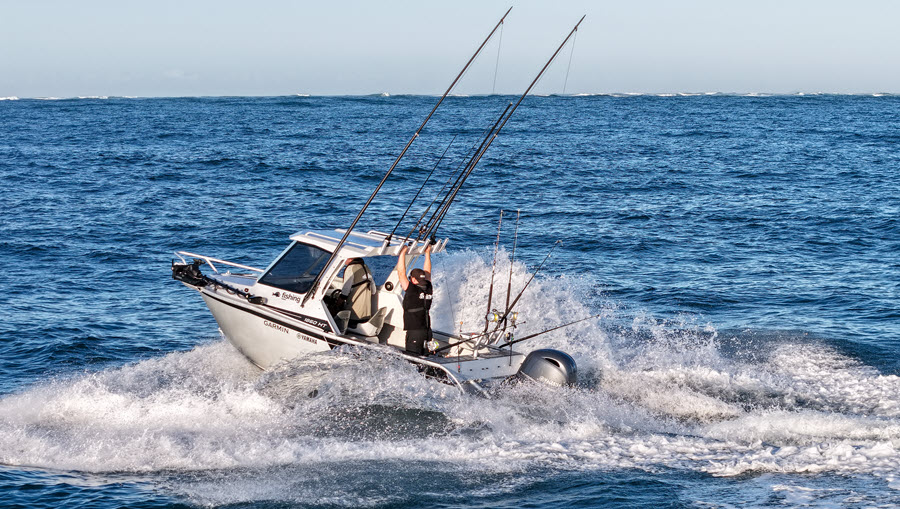
At the very least, any small trailerboat should also carry the following safety equipment:
- Anchor and chain/warp
- At least two forms of communication (e.g., VHF and a cellphone in a waterproof case)
- Fire extinguisher
- Torch
- Bailer/bucket
- Basic first aid kit
- Basic toolbox
The further offshore you plan to travel, the more equipment (and variations of equipment) you should carry. Additional safety equipment includes the following:
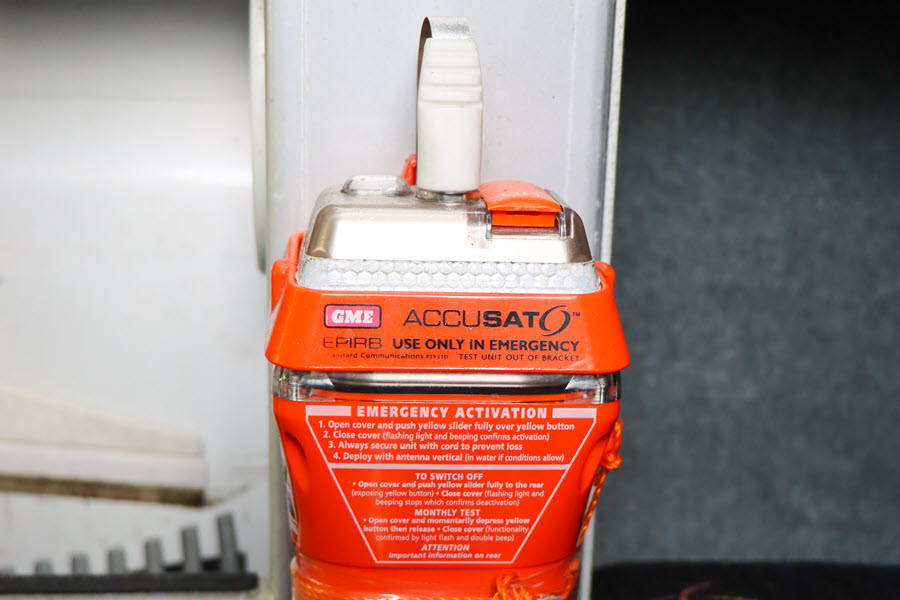
- Emergency locator beacons (EPIRBs)/personal locator beacons (PLBs)
- Flares and smoke signals
- Horns
- Emergency blankets
Boating courses
Coastguard Boating Education offers a range of courses for the beginner boatie right through to the advanced skipper.
The base level course is a Day Skipper, which covers off basic boating rules, buoys and beacons, emergency radio calls, and how best to keep you and your crew safe. More advanced boaties can progress to a Boatmaster course.
Anyone operating a VHF radio should attain their VHF Radio Operator certificate. This is another qualification offered by Coastguard, which teaches the correct use of radios, how to log trip reports, and how to make emergency calls.
There are also courses for your crew. The likes of Coastguard’s Suddenly in Charge course are designed to give your ‘first mate’ a basic understanding of what to do and how, should the boat’s skipper become unable to get you safely home.
Coastguard, callsigns, and trip reports
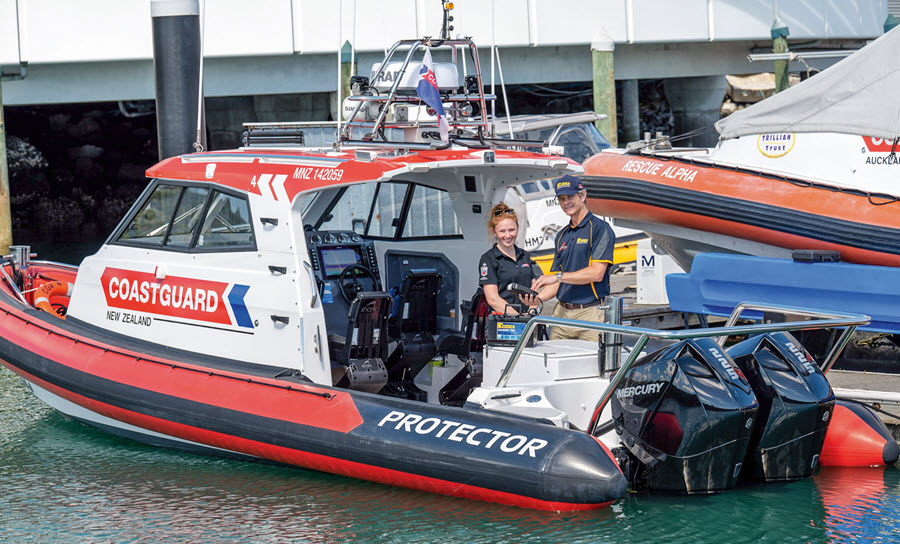
The New Zealand Coastguard is the nation’s on-water rescue service. Whether a vessel is taking on water, or simply has a flat battery, they’re available 24/7 to assist boaties. Coastguard memberships cover you for a year and cost a very small fee. There is a 24-hour stand-down period after purchasing a Coastguard membership, so be sure to get yours well before you plan to head out for the first time.
Coastguard also administers the country’s radio call signs – a unique number specifically for your vessel which is used to identify you when calling over the radio. A call sign has your vessel details registered against it, so should you ever get into trouble, telling them your call sign will provide rescue coordinators with vital info such as your make and model of boat, its colour, and a shore contact. Call signs are a small, one-time purchase.
Before heading out, make a habit of logging a trip report (TR) with Coastguard NZ. It's a quick but important safety measure that lets Coastguard know where you're heading, when you expect to return, and how many people are aboard, information that can prove invaluable if something goes wrong. You can log a TR via your local Coastguard VHF radio channel, by calling *500 from your mobile, or through the free Coastguard app. You'll need your boat's name and callsign, departure point, intended destination or route, ETA, and number of people on board. Remember to close your trip report when you arrive safely, and leave a trip plan with someone ashore who knows when to raise the alarm if you're overdue. A trip report alone doesn't automatically trigger a search if you fail to return, so having a reliable shore contact is equally important.
Before leaving home checklist
- Check weather, wind, sea, swell, and bar (if applicable) conditions and forecast.
- Ensure the engine is trimmed up and locked into position, with the prop flag in place.
- Stern strop/tiedowns tightly secured to trailer.
- Electrics connected and trailer lights working.
- Trailer safety chain connected to vehicle.
- Any antennas lowered and rods taken out of rocket launchers/holders.
- All loose items in boat removed or secured.
- Ensure all bungs in place – external and internal.
At the ramp checklist
- Pay any ramp fees due.
- Remove tiedowns, prop flags, and release engine lock.
- Loosen but don’t remove safety chain shackle pin.
- Rig appropriate fenders and/or lines.
- Raise antennas.
- Load any items aboard before approaching ramp.
- If operating in darkness, minimise vehicle lights so as not to blind others when backing down ramp.
- Only remove boat safety chain when trailer is in the water.
- Ensure vehicle lights are turned off after parking trailer.
- Remember to travel no more than five knots within 200 metres of the shore. Some marinas have a no-wake rule.
Being well prepared will minimise the time you spend launching and retrieving your vessel as well as reducing stress levels! If you are unfamiliar with the launching procedure, go to the ramp for a practice run at a time when there are fewer people around. Backing skills not up to scratch? Go to an open space, perhaps a carpark, at a time when others are not around, and practise. Fully brief your crew on what the procedure will be and what is expected of them by way of assistance when launching and retrieving.
That’s it, you are done.
Have a fantastic time on the water!
Common Questions
What safety equipment do I need on a trailer boat in New Zealand?
At a minimum, trailerboats should carry correctly sized lifejackets for everyone aboard, an anchor and chain or warp, two forms of communication (such as a VHF radio and a cellphone in a waterproof case), a fire extinguisher, torch, bailer or bucket, first aid kit and basic toolbox. Additional equipment such as an EPIRB or PLB, flares and emergency blankets is recommended, particularly when travelling further offshore. Skippers should also check local maritime rules and ensure all safety equipment is serviceable and readily accessible.
What boating courses should I take before operating a trailer boat?
Coastguard Boating Education offers courses for new and experienced boaties. The Day Skipper course covers basic boating rules, navigation marks, emergency procedures and crew safety. More experienced operators can progress to the Boatmaster course, while anyone operating a VHF radio should obtain a VHF Radio Operator certificate. Courses such as Suddenly in Charge are also useful for crew members who may need to take control if the skipper becomes incapacitated.
What should I do before launching a trailer boat?
Before launching, check the weather and sea conditions, ensure the boat is properly secured for towing, and confirm the trailer lights, safety chain and electrical connections are working. At the ramp, remove the trailer tie-downs, prepare fenders and mooring lines, raise antennas and load any remaining gear before approaching the water. Only disconnect the boat's safety chain when the trailer is in the water. Having a clear launch and retrieval procedure, and briefing your crew beforehand, helps make the process safer and less stressful.
Continue Reading


Sunday 29 November 2026
Major Bites
 -
 -
Minor Bites
 - -
Monday 30 November 2026
Major Bites
- - Minor Bites
- - 
Fishing Reports Visit Reports
Canterbury Fishing Report - 26/11/26
Fresh and salt both delivering. December next week, to use a very cliché line, where... Read More >
Tauranga Fishing Report - 26/11/26
Mixed success. A varied report, as all local anglers seem to have different stories to... Read More >
Outer Hauraki Gulf Fishing Report - 26/11/26
Workups moving closer to the city. The Hauraki Gulf is starting to look increasingly fishy,... Read More >
Bream Bay Fishing Report - 26/11/26
Snapper action spreading out. Most of the sources contributing to this report were unanimous –... Read More >
Bay of Islands Fishing Report - 26/11/26
Fickle bite times. The snapper are still abundant in the Middle Ground area but the... Read More >
Raglan Fishing Report - 12/11/26
Big spring snapper. With the more settled weather over the last couple of weeks there’s... Read More >