Additional Amenities

A trailerboat doesn't have to be a bare-bones fishing machine. Modern trailerboats can be surprisingly well appointed, with many offering amenities traditionally associated with larger launches. But, of course, every extra comes at a cost. If you choose one aspect of a boat to fulfil a particular need, you may well affect other functions adversely. As has been widely quoted, “All boats are compromises.”
Are you overnighting?
Proportioning the space in trailerboats can be an issue, so when choosing a boat, you will need to decide where your priorities lie. One major choice regarding the internal layout is whether you want a day boat or an overnighter.
If you don’t intend to do any stay-away trips, there are a lot of fittings you can do without: galley, built-in refrigeration, toilet, shower – in fact, it is questionable if you even need forward berths. They might be handy occasionally for the kids to have a nap on, but you may be better off choosing a boat with an internal configuration that allows more fishing room in the cockpit or more stowage space.
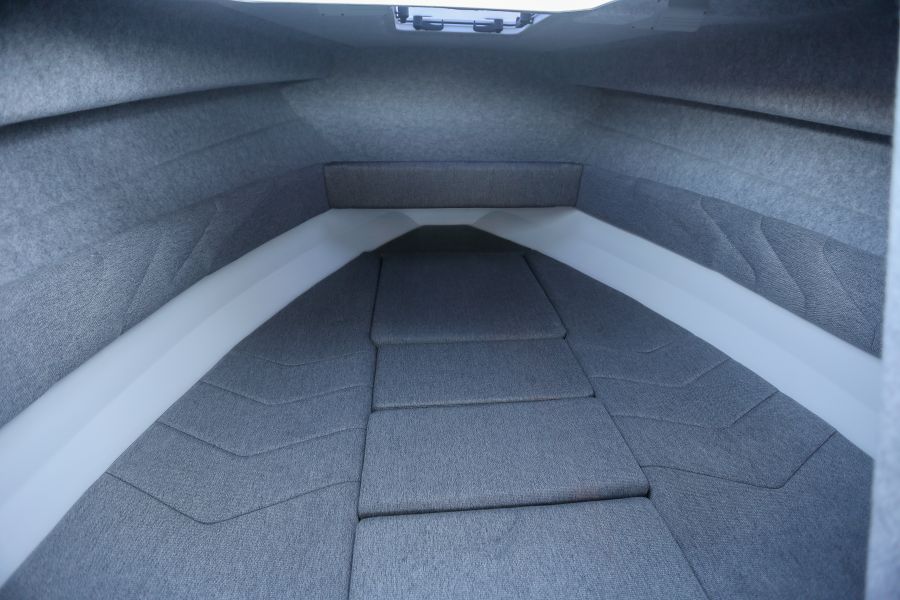
However, if you decide that stay-away trips are high on the agenda, then more space might be invested in comforts like full-length berths, a toilet, fridge/freezer, extensive lighting, a larger battery array, galley/cooker, and even a freshwater shower. It is nice to have all the mod cons, but you need a decent-sized hull to fit all these items into and pockets deep enough to pay for it all.
Refrigeration and freezer capacity
A fridge is a particularly useful addition for longer trips, keeping food, drinks, and processed fish cool without relying on ice. Options include compact built-in marine refrigerators, drawer-style units, and portable electric fridge/freezers. Some larger boats also accommodate dedicated freezer compartments.
Think carefully about what you intend to store. A small drinks fridge might be sufficient for day trips, whereas overnight fishing adventures call for greater capacity and potentially separate food and fish/bait storage.
Galley and cooking facilities
For anyone spending extended periods aboard, even a modest galley can make a big difference. Depending on the boat's size and layout, this might be as simple as a small benchtop with a sink and freshwater supply, or a more comprehensive arrangement incorporating a gas cooker, microwave, storage cupboards, and preparation space.
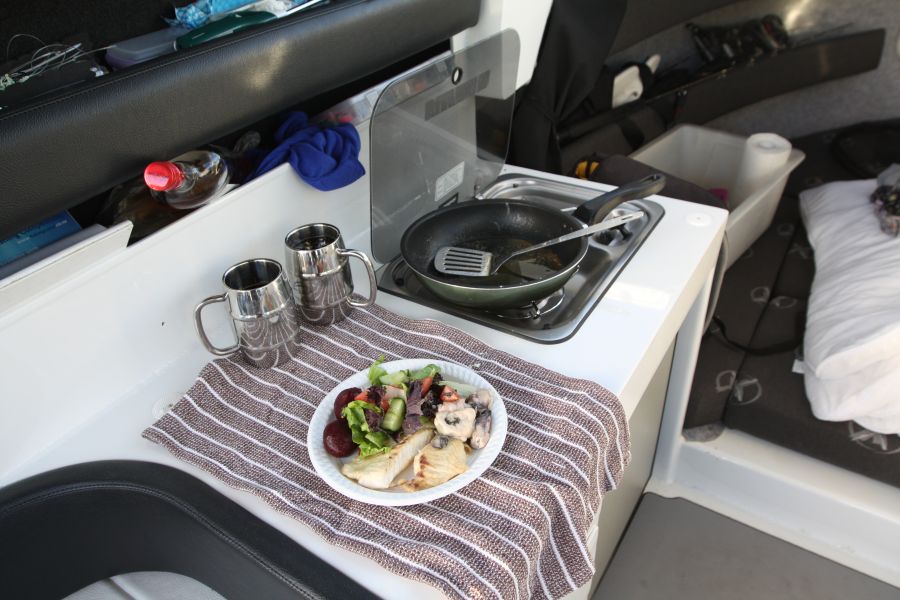
A portable gas cooker is a relatively inexpensive option, while permanently installed cooking facilities offer greater convenience. Consider ventilation, safe gas storage, and the practicality of preparing food without compromising fishing space. A decent work surface and somewhere to store utensils and provisions can be just as valuable as the cooking equipment itself.
Toilets and showers
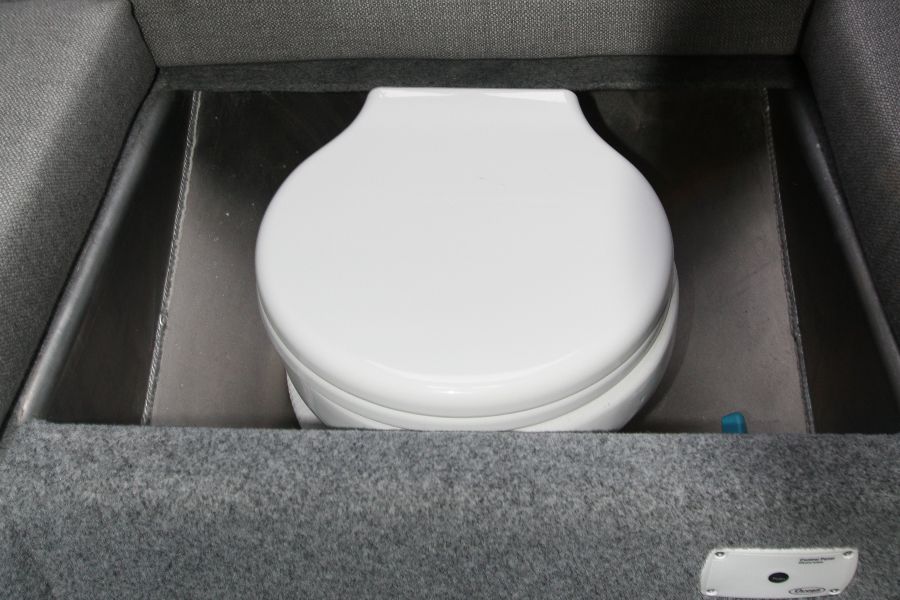
A toilet is one of those amenities that might not seem particularly important until you have children or spend a full day offshore with family aboard. Options range from simple buckets and portable chemical toilets, all the way through to permanently installed marine toilets with holding tanks.
A dedicated enclosed toilet compartment offers considerably more privacy and convenience, although it takes up valuable cabin space. Consider how the waste tank is emptied and how accessible the plumbing is for maintenance.
Showers are another worthwhile consideration for boats used for overnight trips or family outings. Some boats have freshwater transom showers, ideal for rinsing off after a swim, while larger models may incorporate an enclosed shower within the cabin. Remember that freshwater storage is finite, and showers can consume a surprising amount of it.
Heating and air conditioning
Heating and air conditioning are less common on smaller trailerboats but can be worthwhile additions to boats with enclosed cabins and overnight accommodation.
Diesel-fired cabin heaters are more common in the Deep South of New Zealand, where they provide welcome warmth during winter fishing trips and can help dry out damp clothing and dive gear. They require a suitable fuel supply, exhaust installation, and ventilation. Electric heating is another possibility, although it can place considerable demands on the boat's batteries.
Air conditioning is generally more challenging in trailerboats because of its power requirements. Running conventional air conditioning without shore power usually requires a substantial battery bank and inverter or a suitable generator. For many trailerboat owners, good ventilation, opening hatches, and a quality canopy provide a more practical solution.
Lighting
Good lighting makes a boat safer and more practical, particularly when launching before daylight, fishing after dark, or returning to the ramp at night. Consider the different areas requiring illumination, including the cockpit, cabin, helm, engine compartment, boarding areas, and storage lockers.
LED lighting is now standard on many modern boats, offering excellent illumination with relatively low power consumption. Courtesy lights provide general ambient lighting, while brighter overhead or floodlights are useful for cleaning fish, handling tackle, and working around the cockpit.
Underwater lights are another popular option, providing an attractive effect at anchor and potentially attracting baitfish and other marine life. Navigation lights, meanwhile, are a fundamental safety requirement rather than an optional luxury. Their positioning and visibility should meet applicable maritime requirements.
Don’t forget about footing
You don’t want to be slipping and sliding around the cockpit when trying to concentrate on playing a fish. The decks of aluminium boats are commonly made of tread-plate/chequer-plate, a patterned aluminium sheet (usually 4mm) with raised ridges which provides decent footing but can be harsh on bare hooves. Fibreglass or ply decks can have a texture moulded in, some form of grit added to the finish when it is still wet, or aftermarket stick-on anti-skid panels.
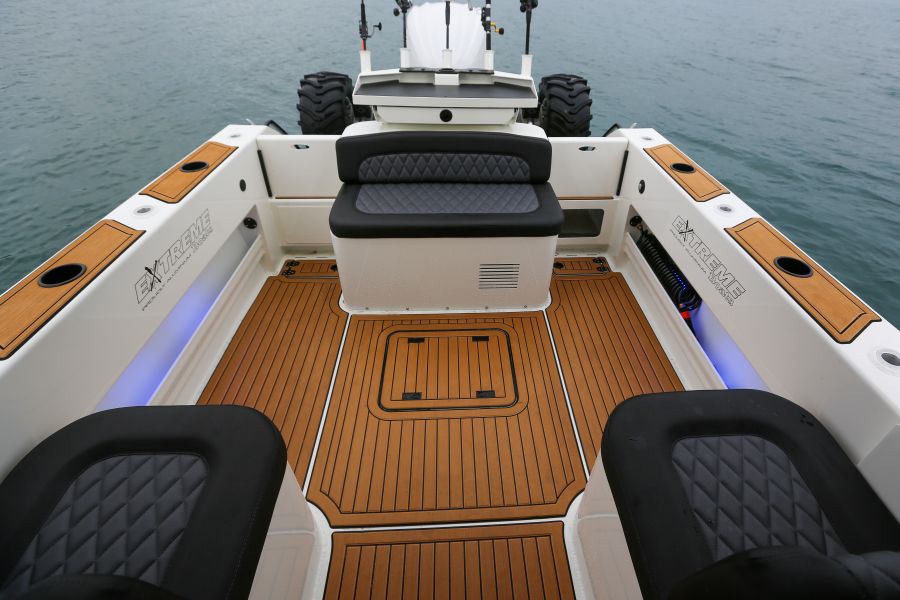
Products like Boat Dek and U-DEK have become popular in the last few years. These are non-skid, closed-cell products made from UV-protected, non-absorbent EVA foam and available in a brushed or textured micro-dot surface for enhanced non-slip characteristics. Custom logos, text, and graphics can be added to the design. Products such as these are comfortable on bare feet and provide good insulation on aluminium gunwale tops where the exposed metal can either freeze or burn your backside, depending on the time of year. The other option is removable flooring, such as tube matting or marine carpet, which are ideal for easy cleaning.
Canopies and covers
Although technically part of the boat's protection and enclosure rather than an onboard amenity, a good canopy and clears can dramatically improve comfort. A hardtop provides permanent overhead protection, while a folding or removable canopy offers flexibility. Clears help keep wind and spray out of the cockpit, making cold or wet-weather trips considerably more enjoyable. Consider how easily clears can be opened or removed, how much ventilation is available, and whether the canopy provides adequate protection from the sun. For family boating, an extended cockpit cover or shade canopy extending aft from the hardtop can be particularly valuable.
Covers are typically used during periods of storage to protect trailerboats from the elements. Full covers are the best option to shroud the entire boat, including engine and trailer. ‘Road’ covers, on the other hand, cover the cockpit area from the transom to the cabin bulkhead on hardtop vessels, and can be used when overnighting to provide additional weather protection.
Making cleaning easy
Keeping the boat clean is not just for those with sensitive noses. Fish slime and blood on the deck can lead to people falling over and injuring themselves. Keeping your hands clean means your rod is less likely to slip from your hands, and the rod grips don’t end up a mess!
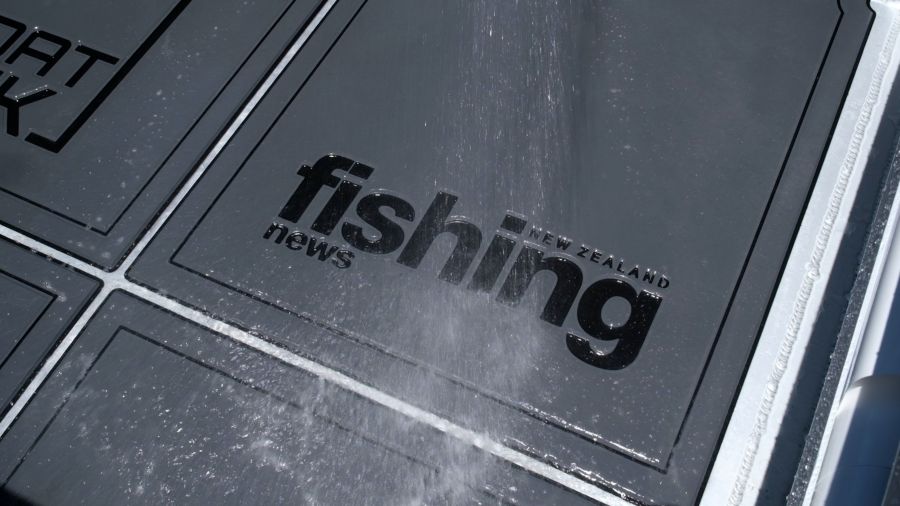
In fact, a quick squirt of water when the mess is fresh will greatly reduce the wash-down effort when you get home and help to keep the boat in good shape and odour-free. It is much easier to clean fish mess while it’s still wet than when it’s dry and crusted on. Wash-down hoses with a pressurised pump are perfect for the job and are a well-utilised addition to many trailerboats. Some more elaborate craft have built-in sinks or knee-switch activated hand-washers that squirt a water jet over the side for washing those mitts!
Common Questions
What amenities should I look for when buying a trailer boat?
The amenities you need depend on how you intend to use your boat. For day fishing, practical features such as good lighting, non-slip flooring, a wash-down system and adequate storage may be more valuable than luxury fittings. If you plan to stay overnight, consider additional comforts such as berths, refrigeration, cooking facilities, a toilet, freshwater shower and cabin heating.
What facilities do I need for overnight trips on a trailer boat?
For comfortable overnight trips, consider full-length berths, a toilet, refrigeration, cooking facilities and adequate freshwater storage. Good cabin lighting, sufficient battery capacity and heating can also make extended stays more enjoyable. The space available in the hull will influence what's practical, so it's worth balancing accommodation and amenities against the fishing space you might otherwise lose.
What features make a fishing boat more comfortable and easier to maintain?
Features such as non-slip decking, good cockpit lighting, a pressurised wash-down system and a well-designed canopy can make fishing trips safer and more comfortable. Non-slip flooring helps prevent falls when the deck is wet, while a wash-down hose makes cleaning fish residue easier. A canopy with removable clears also provides protection from wind, spray and sun while allowing ventilation when conditions are fine.
Continue Reading


Sunday 29 November 2026
Major Bites
 -
 -
Minor Bites
 - -
Monday 30 November 2026
Major Bites
- - Minor Bites
- -