
Fishing Basics: Having Fun at the Wharf
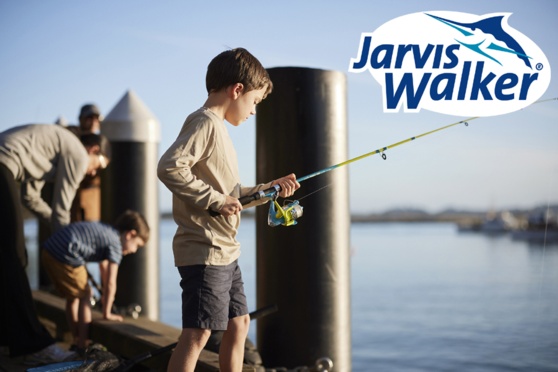
Many budding anglers cut their teeth fishing from the local wharf. Wharves are usually safe fishing platforms and attract plenty of baitfish while also offering the chance to catch larger species like snapper, kahawai, john dory, trevally, and kingfish.
Why the wharf?
So, why do wharves make great fishing spots? Firstly, they offer easy access to sheltered fishing water. You can park nearby so there’s no need to lug fishing gear very far. They are generally safe for the kids with firm footings and railings, although it is worth noting that some New Zealand wharves come in various states of disrepair! The structure and wharf pilings offer shelter and food for small fish, which in turn attract larger predatory fish. Wharves are almost always on the edge of channels which means deep water is close at hand, so you don’t necessarily need to cast far (or at all), and there will be fish movement past the wharf with each tide.
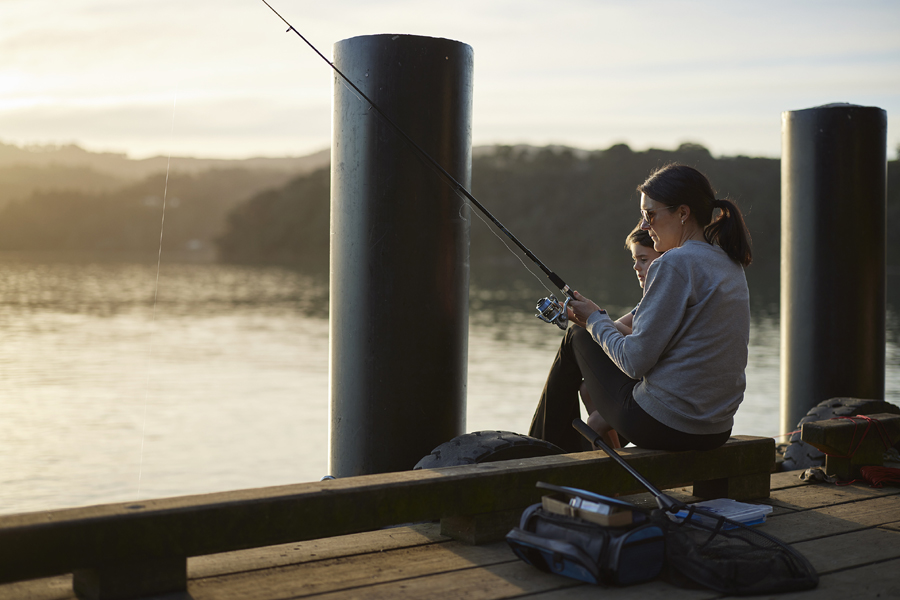
The constant bustle of people, fishing boats coming and going and, of course, the ever-present schools of fish ensure that there is always something interesting happening for the kids around a wharf. Wharves are also good environments to show kids a diverse range of fish and how to effectively release undersized fish.
Species to target
Let’s start with the small stuff. Most wharves usually attract a resident population of baitfish, with common species being sprats (yellow-eye mullet), jack mackerel, piper, slimy mackerel, and small kahawai. Most keen anglers still enjoy catching baitfish, which, as the name suggests, are commonly used as dead or live bait but are increasingly making it onto the main plate as a healthy and tasty eating option. Kids love catching baitfish, and ‘catching bait’ is a great way for them to be involved in the process of catching larger fish.
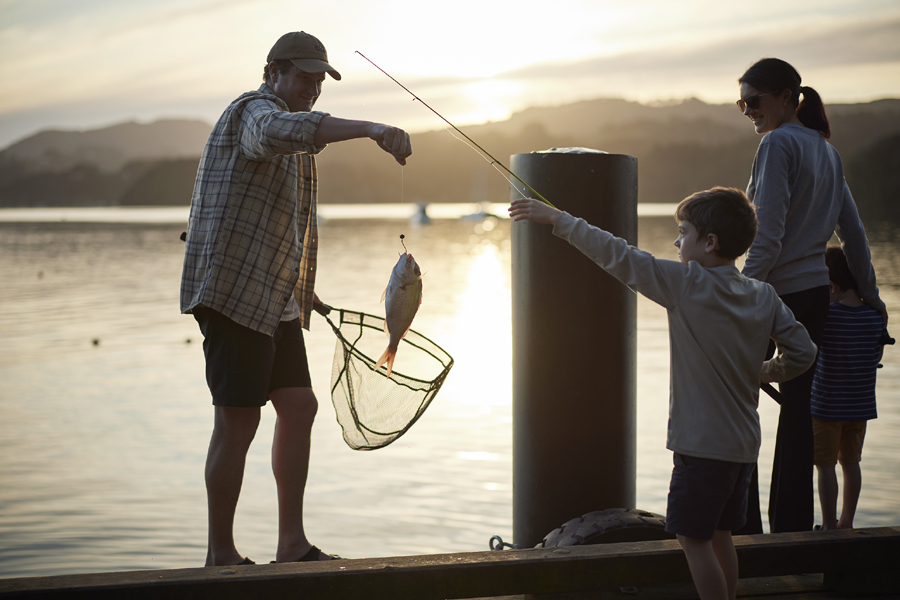
The usual tablefish species you’ll encounter will depend on which part of the country you’re fishing in. In the upper North Island these will generally be snapper, kahawai, trevally, gurnard, john dory, and kingfish. Less appreciated species like parore and spotties often linger around wharves, too. In the lower North Island, the above species are all possibilities, but the mix might include blue moki, red cod, rig, and elephantfish. Moving into the South Island, desirable species include blue cod, blue moki, gurnard, salmon, and searun trout.
Key techniques
A variety of techniques can successfully be used from wharves, although a couple of simple spin reel and rod sets will cover most bases. A light combo can be used to catch baitfish, either with a weighted sabiki rig or a single hook dangling below a float. The float rig is a great method to catch piper, which swim close to the surface. The use of berley, even if just a loaf of bread broken up and thrown sporadically into the water, can help kick off the food chain at the wharf.
A larger outfit with a medium-sized spin reel spooled with 20-30lb line and a rod between 7-10’ can be used to target tablefish. Such an ‘all-rounder’ combo allows good casting and is also sturdy enough to handle larger fish like kingfish if you decide to put out a livebait. You should use hooks in the 3/0-6/0 range to prevent undersized fish from swallowing the hook. Many rigs can be used, from running to ledger rigs. Some anglers prefer using small cut baits, as big baits can attract unwanted species like eagle rays that can be a nuisance! Using a live baitfish is a great tactic to employ from wharves, particularly in the upper North Island. John dory are suckers for a live sprat or mackerel dropped between wharf piles, and kingfish are also frequent visitors, particularly in summer, and rarely turn their noses up at a well-presented livie!
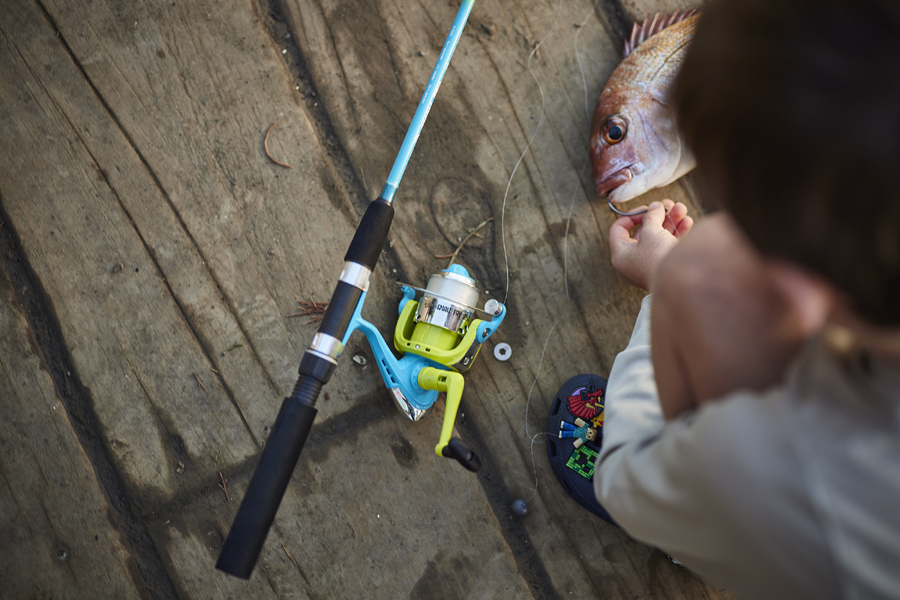
Tides are a very important consideration when wharf fishing. Overall, the three hours either side of high tide will produce the best fishing off wharves. Sometimes the fishing can be slow on the slack water periods but the few hours when the current is moving around the high tide often bring success. The low tide period is generally not productive, particularly for wharves that are situated in shallow water. Early mornings and evenings are the preferred time of day to target larger predatory fish from wharves.
A bucket or chilly bin/bag is handy, especially when you land a good fish, and you should also take a wet towel for handling fish as wood and concrete on wharves can be harsh on fish when they flap around. A measuring device is also required to make sure that your catch is legal. As wharves can be exposed places it pays to take some warm clothes and, as you will be looking over the water, some good quality polaroids and sunscreen.
Wharf etiquette
Wharves are generally busy places. Apart from other anglers, there will be commercial and recreational boats tying up alongside, loading and unloading, and also plenty of onlookers. Be courteous of other anglers by not casting over their lines or taking up too much of the wharf’s fishing room for yourself. Wharves are often a good place to meet and talk to other fishers – a place to share techniques and learn about the local fishing options. Remember that the primary purpose of wharves is for boat berthing, so boats have priority. Make sure you bring your lines in when you see a boat pulling up to the wharf. Also, please tidy up your rubbish and throw unwanted bait or berley into the water.
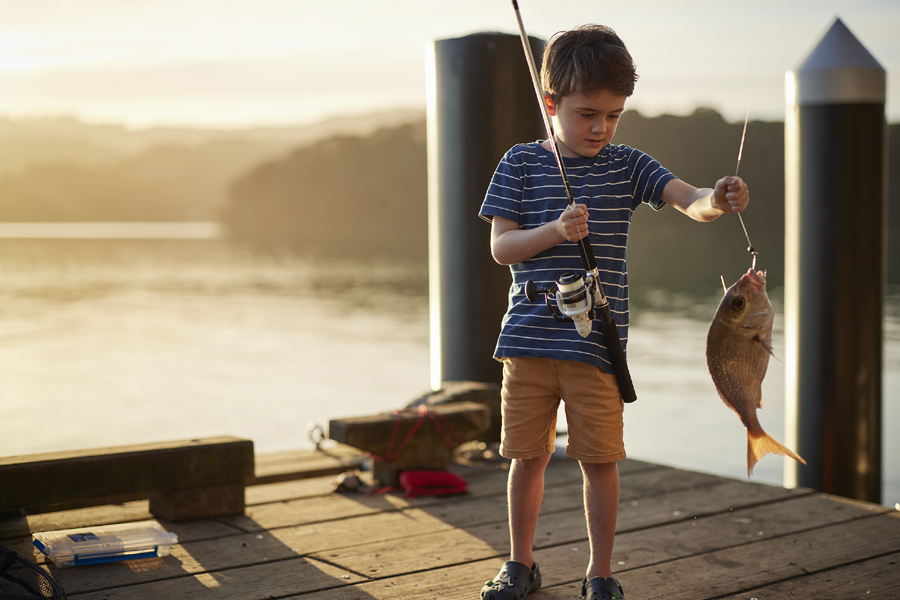
Take the time to check out some local wharf fishing options. They make great fishing platforms for the kids, are excellent locations to catch baitfish, and provide the very real possibility of tangling with larger predators like kahawai, kingfish, john dory, and snapper.
For a comprehensive rundown on New Zealand’s fishing wharves, check out the links below:
> Central & Lower North Island
> South Island
For all your fishing tackle and boating equipment, visit jarviswalker.co.nz
- NZ Fishing News
Fishing Reports Visit Reports
Canterbury Fishing Report - 01/10/26
Freshwater season underway. Wow, it’s October already, and our freshwater season is underway, and the... Read More >
Top of the South Fishing Report - 01/10/26
Snapper about but not yet firing. It’s certainly nice to see daylight savings upon us... Read More >
Hauraki Gulf Fishing Report 01/10/26
Big reds in the shallows. The weather has made getting out on the water challenging... Read More >
Bay of Islands Fishing Report - 01/10/26
Snapper moving in. A few Pacific bluefin are still gracing the weigh stations with last... Read More >


Wednesday 14 October 2026
Major Bites
 - -
- - Minor Bites
 -
-  -
- Thursday 15 October 2026
Major Bites
- - Minor Bites
-