
Fishing Basics: Fishing Rules, Regulations & Safety
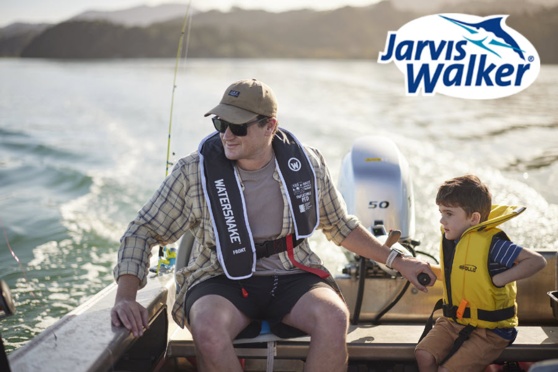
Fishing is part of the Kiwi DNA. Whether it’s a feed of blue cod down south, a snapper mission in the Hauraki Gulf, or a family day chasing kahawai from the beach, Aotearoa offers endless opportunities. But with that freedom comes responsibility. Rules and regulations aren’t just red tape – they’re designed to protect our fisheries for the future. And safety isn’t optional when you’re dealing with Mother Nature and sharp objects!
In this instalment of our Jarvis Walker Beginners Guide to Fishing series, we’ll break down what every angler – whether you’re a newcomer or just in need of a refresher – needs to know about fishing rules, regulations, and staying safe in New Zealand.
Why do rules matter?
Recreational fishers take around thousands of tonnes of seafood from New Zealand waters each year. While it’s nothing compared to what the commercial fishing industry takes, it’s still a lot of kai. Bag limits, size limits, and restricted areas all play their part to avoid overfishing, smaller fish, and depleted stocks.
If you fail to follow the rules, you’ll risk fines and boat, vehicle and gear confiscations. The Ministry for Primary Industries (MPI), Fish & Game, and the Department of Conservation (DOC) have fisheries officers and rangers patrolling by land, sea, and air.
Beyond the legal consequences, breaking the rules undermines our fishing culture. Following the rules helps recreational anglers be seen as responsible stewards and maintain a strong voice in fisheries management.
What are the rules?
Saltwater fishing in New Zealand is free and doesn’t require a licence, but there are strict rules in place to help protect fish stocks and kaimoana for the future. These include legal minimum size limits, daily bag limits, gear restrictions, protected species, and special area rules such as marine reserves, customary protections such as rāhui, and seasonal closures. The rules vary by region and are altered regularly, so it’s up to each angler to check the rules before heading out. Up-to-date information can be found on the Fisheries New Zealand website (www.mpi.govt.nz/fishing-aquaculture/recreational-fishing/fishing-rules/) or through the NZ Fishing Rules app, which is very handy and works even without phone coverage.
In freshwater, anglers must hold a valid Fish & Game licence to fish for sports fish like trout and salmon, and each Fish & Game region has its own set of regulations covering open seasons, bag limits, size limits, fishing methods, and restricted waters. Some areas may also have special rules around the use of baits, lures, or boating access. Because the rules vary across the country, it’s important to check the regional regulations before heading out. Full details are available on the Fish & Game New Zealand website.
Best practice
Aside from the rules and regulations, there are a few things all anglers in New Zealand should keep in mind:
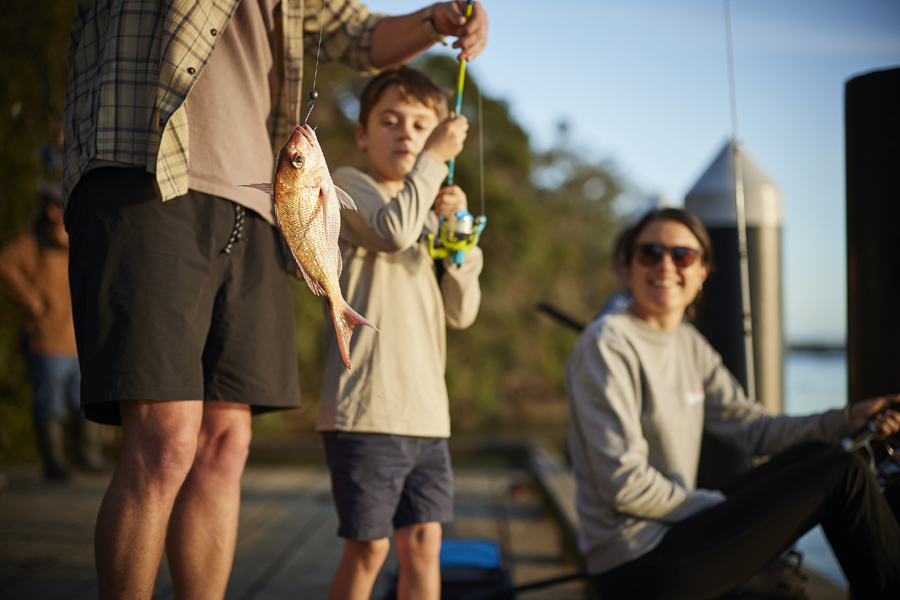
• Handle unwanted or undersized fish responsibly, unhooking them in the water if possible or with a wet towel or wet hands, and releasing them as quickly as possible. Cut the line or use a dehooking tool if fish are hooked deeply.
• Catching your limit is not the goal – simply take enough for a feed.
• Pack out your rubbish, retrieve snagged lines if possible, and avoid damaging sensitive seabed or shoreline habitats. Our fisheries rely on healthy ecosystems – from kelp beds to estuaries – so do your part to protect them.
• Don’t guess fish sizes or numbers in the chilly bin. Always measure and keep count.
• Pass on your respect for the ocean to the next generation.
Fishing safely
Fishing safely starts with good planning. Always check the weather and marine forecasts before heading out. There is a wealth of website and app-based forecasting and nowcasting services, including the NZ Coastguard app (https://www.coastguard.nz/boating-essentials/safety-on-the-water/safety-articles/coastguard-app) and the Metservice website (https://www.metservice.com/). Wind against tide, or a sudden front, can turn a pleasant day into a nightmare.
Before heading out on the water, ensure you have the right equipment and the crew has been adequately briefed. Skippers are legally responsible for ensuring there’s a properly fitting lifejacket for every person on board. In practice, many councils require them to be worn on small craft (under 6 metres), too. The golden rule for lifejackets is to wear them. Modern inflatable lifejackets are light, comfortable, and hassle-free.
The Day Skipper course is run by Coastguard Boating Education and is for all members of the family or crew, including those new to boating. It is particularly suited to those who are new to the responsibility of being a skipper on their own vessel. The course covers the components of a boat and its equipment, basic boat handling techniques, the use of navigational charts, basic tide and weather terminology, navigational marks, Maritime Rules and Regulations, the causes of and preventative actions to be taken in emergency situations, and common marine knots and their application.
Ultimately, the skipper is responsible for the boat, crew, and decisions. Don’t overload, keep an eye on fuel, and brief everyone on safety gear. At least two forms of communication are vital when heading out fishing. A VHF radio (channel 16 is monitored 24/7) is essential for boats, kayaks, and PWCs, as although cellphones can be a good backup, coverage is patchy on the briny. An EPIRB or personal locator beacon (PLB) could be a lifesaver if you get in trouble and is recommended for more adventurous or remote fishing trips.
Always tell a friend or family your plan (where and when you’re leaving, where you’re going, and when you’ll be back) and/or log a trip report with Coastguard (via VHF or the Coastguard app).
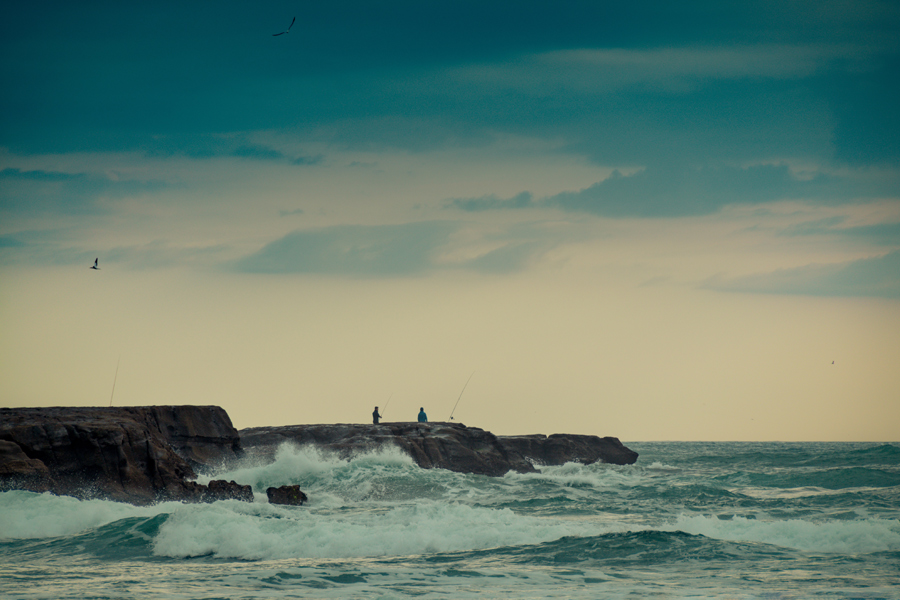
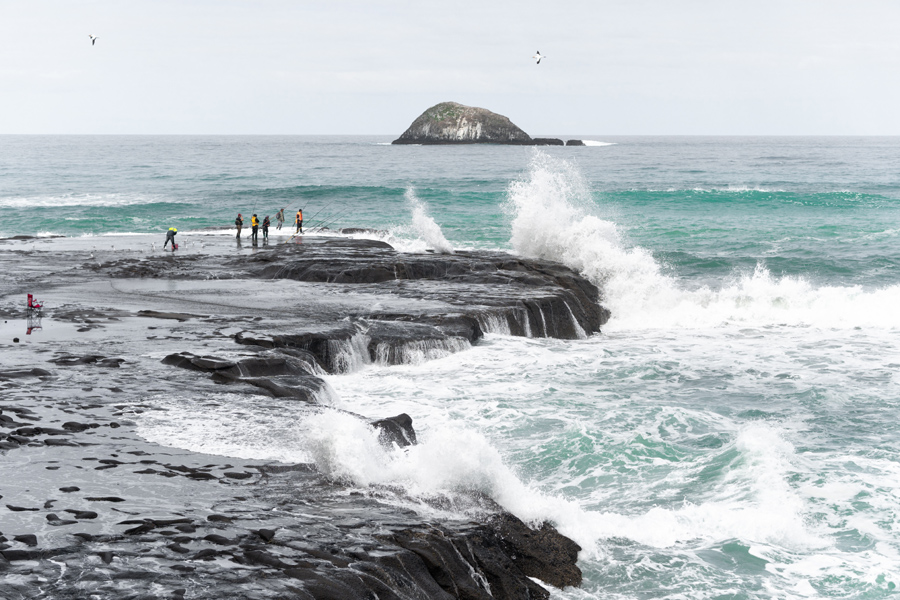
The annual statistics show that one of the most dangerous Kiwi pastimes is fishing off the rocks. Alongside the advice above, landbased fishers should:
• Fish with a mate.
• Keep an eye on the sea at all times.
• Be aware of tides and access.
• Wear grippy footwear and a lifejacket.
• Avoid fishing areas in large swells.

Crossing New Zealand’s coastal bars – like those at Manukau and Raglan – is another potentially hazardous aspect of fishing, with shifting sandbanks, breaking waves, and fast-moving currents creating unpredictable conditions. Many serious accidents have happened when skippers underestimated the risks, so preparation and timing are everything. Checking the weather, tides and swell, ensuring adequate daylight, wearing lifejackets, carrying communications gear, communicating with local Coastguard, and making sure everyone on board knows what to do are all vital steps. Coastguard and local harbourmasters often provide bar reports and safety advice, and it’s recommended to seek out local knowledge before attempting to cross a bar.
Fishing is about passing the tradition down, but it comes with responsibilities to keep kids and whānau safe:
• Fit kids with properly sized lifejackets.
• Keep gear tidy with hooks and knives out of reach.
• Make it fun – don’t take the kids too far or spend too long out there.
Rules, regulations, and safety might not be the flashiest part of fishing, but they’re the backbone of a sustainable and enjoyable pastime. Fishing in New Zealand comes with responsibilities: to fish within the rules, to respect the ocean and others, and to put safety first every time you head out. Fish the Jarvis Walker way – prepared and ready for whatever the water brings.
For all your fishing tackle and boating equipment, visit jarviswalker.co.nz
- NZ Fishing News
Fishing Reports Visit Reports
Canterbury Fishing Report - 01/10/26
Freshwater season underway. Wow, it’s October already, and our freshwater season is underway, and the... Read More >
Top of the South Fishing Report - 01/10/26
Snapper about but not yet firing. It’s certainly nice to see daylight savings upon us... Read More >
Hauraki Gulf Fishing Report 01/10/26
Big reds in the shallows. The weather has made getting out on the water challenging... Read More >
Bay of Islands Fishing Report - 01/10/26
Snapper moving in. A few Pacific bluefin are still gracing the weigh stations with last... Read More >


Thursday 15 October 2026
Major Bites
 - -
- - Minor Bites
 -
- Friday 16 October 2026
Major Bites
- - Minor Bites
-  -
-