
Fishing Basics: Finding the Right Fishing Spot

Every Kiwi angler dreams of hitting the jackpot and finding that magic fishing spot – the one where the snapper are queuing up, the kingies are cruising through, and every bait gets smashed. Yet in reality, finding a productive patch of water is rarely just dumb luck. The best fishers know how to read the signs and stack the odds in their favour.
This article is part of our Jarvis Walker Beginners Guide to Fishing series. In this instalment, we’ll look at how to find the right fishing spot around Aotearoa, whether you’re casting a line from the beach or rocks, launching the tinny in the harbour, or heading out deeper.
First things first: understand your species
Different species have different habits and prefer different habitats. For example, tarakihi love reef edges, kahawai chase baitfish around current lines and river mouths, gurnard prefer sandy bottoms, while kingfish hang around structure like points and pinnacles. Before choosing a spot, ask yourself: What am I targeting, and where do they like to feed?
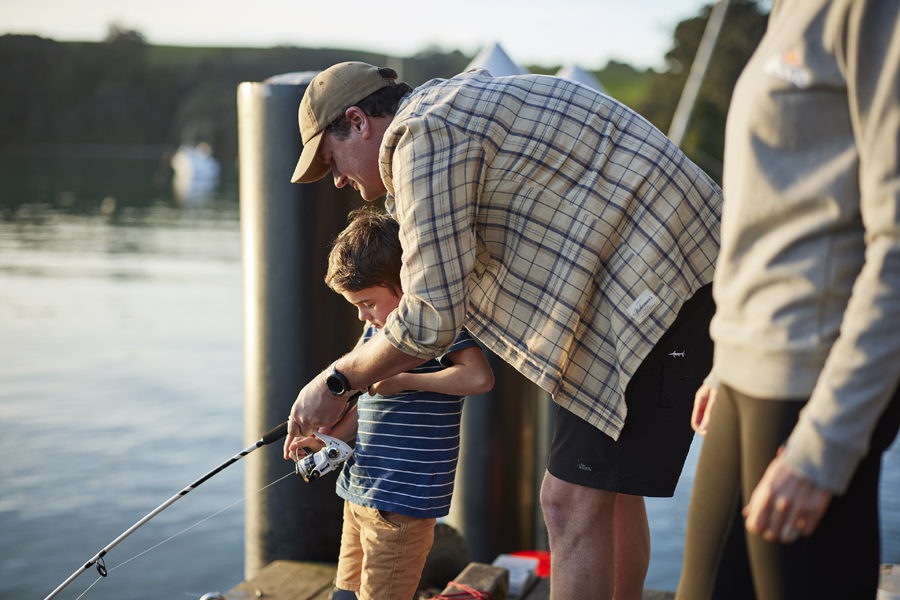
The basics: food, shelter, and current
Fish are like us: they want an easy feed, somewhere safe to hang out, and a comfortable environment. If you can line up the three elements below, chances are you’ve found a decent spot:
• Food for fish comes in many forms – baitfish, shellfish beds, squid, plankton, crustaceans, and much more. Where there’s food, predators aren’t far behind.
• Shelter, like rocks, kelp beds, reefs, sandbanks, or man-made structures like wharves, is often where fish gather to rest, hide, or ambush prey.
• Current brings oxygen and food to fish and also brings predatory fish past your fishing position. Too much current, though, can be detrimental to your chances of catching slower-moving fish species.
Reading the coastline
One of the best things about New Zealand is how diverse our coastline is – sandy beaches, rocky shorelines, harbours, estuaries, offshore islands, and deeper water. Each offers its own clues:
• Beaches might look featureless, but subtle differences make all the difference. Look for gutters and holes (darker patches or deeper troughs where waves aren’t breaking and fish cruise), rips where water drains back out to sea, which concentrates food, and cast on the edges, not in the middle, and changes of substrate (e.g., where sand meets rock) for species like snapper, trevally, and blue moki.
• Rocks are natural fish magnets. They provide shelter and food (think kina, crabs, mussels, etc.), and they break up the current. Look for points which jut out into deep water and concentrate the current. Some surge and white-water is often favourable as it provides feeding opportunities for predatory fish like snapper and kingfish, and kelp beds are a prime habitat for many fish species.
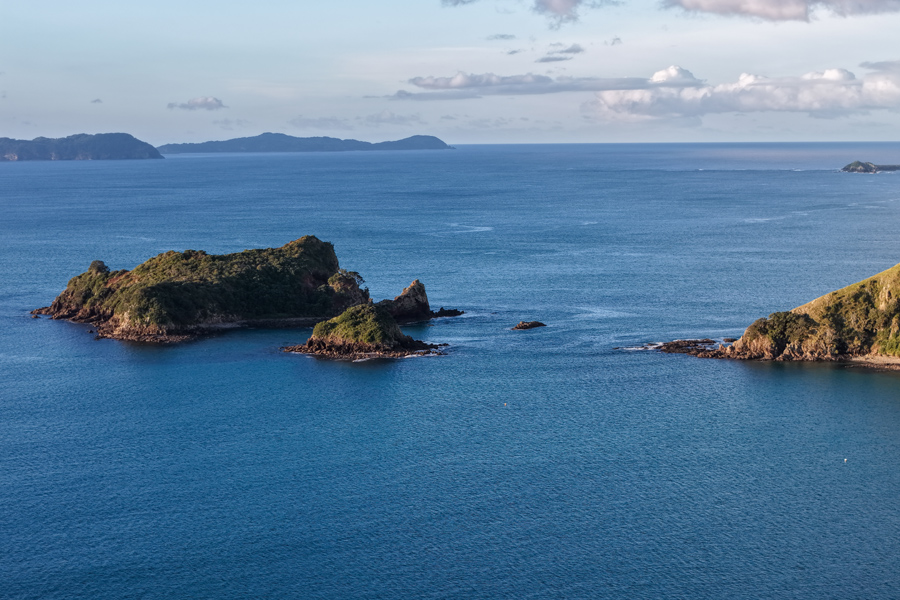
• Tidal harbours and estuaries are nurseries for small fish and feeding zones for larger fish. Fish often move in and out with the tide, so timing can be crucial. The incoming tide can bring baitfish into shallows – great for kahawai, trevally, and snapper action, while the outgoing tide can provide opportunities where channels and drop-offs funnel food to waiting predators. In large harbours, it can often pay dividends to fish on the edge of channels rather than in the middle, particularly if the tide is running strongly.
• Offshore islands and reefs are prime spots because they combine current, structure, and food. Islands break the flow of water, creating eddies where fish stack up, and reefs attract baitfish and the predators that chase them. It pays to start looking for fish on the up-current side of structure, paying attention to your fishfinder. If anchoring, aim to let your bait and berley drift back with the current into the rocks and reefs.
• Moving out deeper, electronics are essential to find likely locations and mark fish. A tip is to spend time studying the charts to find reefs and drop-offs that will hold fish.
Signs of life
A dead-looking ocean usually means dead fishing. Keep an eye out for the following signs:
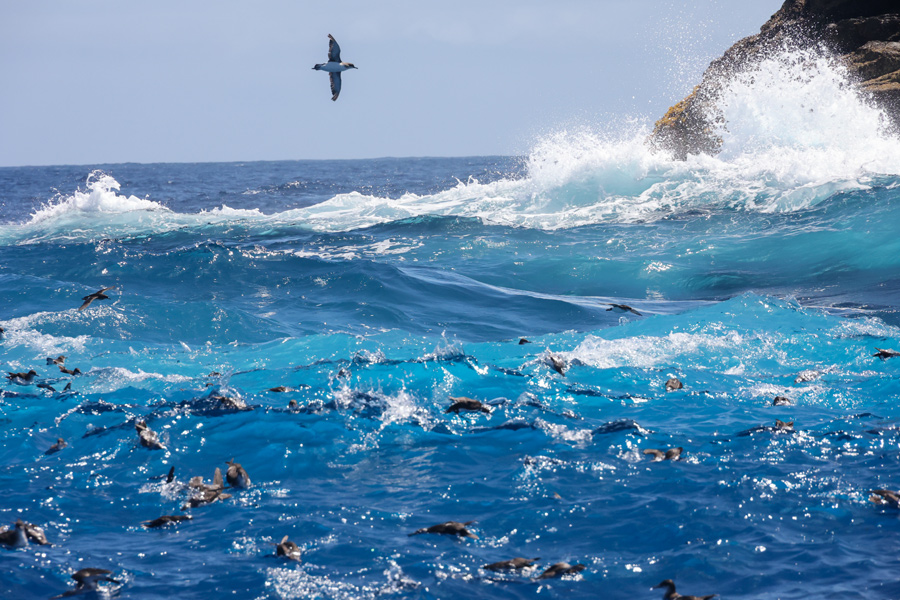
• Birds, such as terns, gannets, and shearwaters, working the surface signal plankton or baitfish schools, often with kahawai, kingfish, or snapper underneath.
• Surface disturbance can mean nervous baitfish and predators lurking.
• Colour changes, such as slicks, weed line, or clear/murky water boundaries, are where fish like to patrol.
The role of tides and weather
Tide and weather can often make or break a fishing spot. Over slack tide, activity usually slows, whereas a couple of hours before low or high tide can bring fish on the chew.
Fishing dawn or dusk at the change of light is one of the best tips to increase your chances of success, and bite times are useful to plan your fishing trip around (https://www.fishing.net.nz/fishing-advice/bite-times/).
In shallow water, overcast conditions can often mean fish will feed more confidently, and dropping barometric pressure before a front comes through can trigger fish to feed aggressively. Just remember to stay safe and always check marine forecasts, and consider how the state of the tide will affect access for landbased fishing spots.
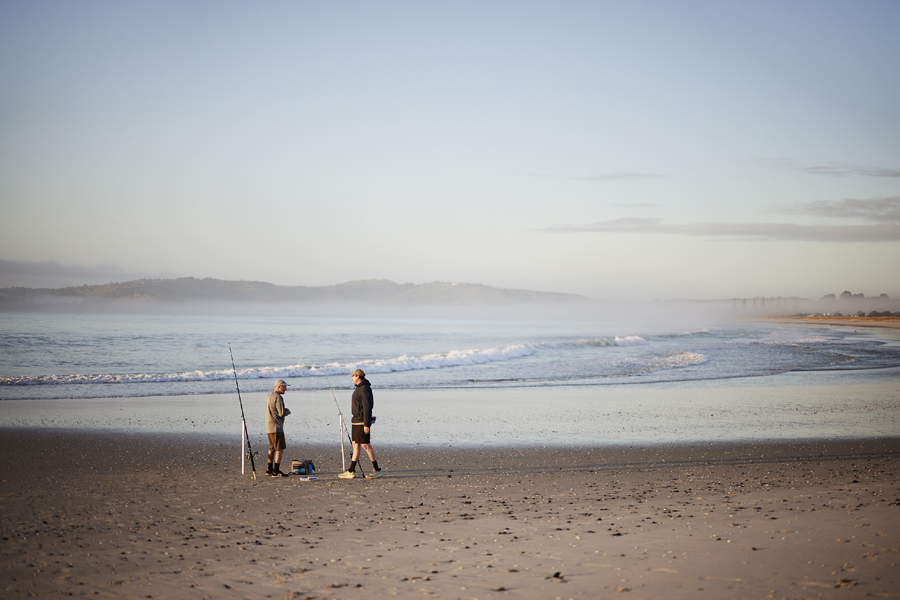
Other tips
Here are a few additional pointers to help find a productive fishing spot:
• When using a fishfinder, look for bait balls, arches (predators), and bottom structure. Don’t just drive over structure once. Zig-zag to build a mental picture.
• Using berley can help create your own hotspot, drawing fish to you.
• Drift fishing can be a helpful means of prospecting potential fishing areas.
• Never underestimate the power of a good yarn – you can’t beat local knowledge!
• Too many anglers stay put in unproductive spots. If the sounder’s empty, the bait’s untouched, and there are no signs of life after 30–40 minutes, move on. Try another depth, drift, or location until you find fish.
• Just because there are 20 boats on one reef doesn’t mean it's firing. Often it’s better to scope out your own spot.
In New Zealand, we’re spoilt for choice with fishing spots. The key is to read the signs, trust your observations, and keep learning. Remember: it’s not about one ‘secret’ spot, but about building the skills to find fish anywhere, any time. With practice – and some Jarvis Walker essentials in your kit – you’ll spend less time wondering and more time winding.
For all your fishing tackle and boating equipment, visit jarviswalker.co.nz
- NZ Fishing News
Fishing Reports Visit Reports
Canterbury Fishing Report - 01/10/26
Freshwater season underway. Wow, it’s October already, and our freshwater season is underway, and the... Read More >
Top of the South Fishing Report - 01/10/26
Snapper about but not yet firing. It’s certainly nice to see daylight savings upon us... Read More >
Hauraki Gulf Fishing Report 01/10/26
Big reds in the shallows. The weather has made getting out on the water challenging... Read More >
Bay of Islands Fishing Report - 01/10/26
Snapper moving in. A few Pacific bluefin are still gracing the weigh stations with last... Read More >


Wednesday 14 October 2026
Major Bites
 - -
- - Minor Bites
 -
-  -
- Thursday 15 October 2026
Major Bites
- - Minor Bites
-