
Dry-Ageing Fish for Premium Sashimi
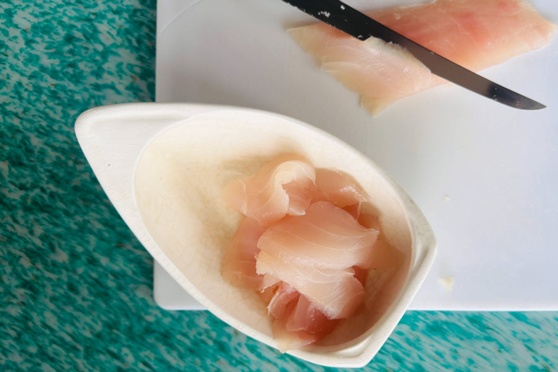
Dry-ageing fish isn’t new, and it isn’t just a fad. Long before it appeared on restaurant menus, fish was deliberately rested, dried, and aged to improve eating quality. My first experience of dry-aged fish was while dining in a Japanese restaurant some years ago. The sashimi was snapper, and I’d always considered snapper to be a rather chewy sashimi option. This, however, was excellent, and the chef explained the dry-ageing process used to deliver such a delicacy.
Why dry-ageing fish works
In essence, dry-ageing fish is about removing excess moisture to concentrate the flavour and improve the texture. As moisture is removed from the flesh, the esters and compounds that produce what we recognise as flavour become more pronounced but without increasing fishiness. The flesh becomes firmer but less chewy than when it’s super-fresh – no different from red meat.
Want to read more?
Unlock this article & all NZ Fishing News Premium content by subscribing for only
$9.99 every 3 months
Latest Premium Articles
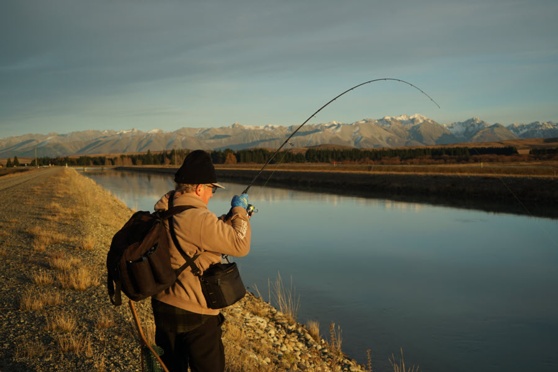
Monster South Island Canal Trout
September 2026Okay, I agree, some of the Mackenzie Country canal brown and rainbow beasts are grossly overweight and lack attractive symmetry, having tiny bullet heads, barrel-like bodies,... Read More >
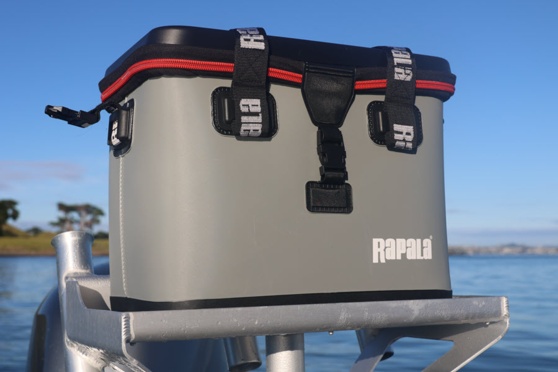
Rapala Hydro Tackle Storage System
September 2026Every angler knows the frustration of opening a tackle bag and seeing a mess. Wet tackle, rusted hooks, or tangled lures slow down your fishing. Whether... Read More >

Spiced, Grilled Kaimoana with Parsley Drizzle
September 2026Seafood on the BBQ is one of my favourite things to cook when I want something quick, easy, and packed with flavour, and this recipe is... Read More >

Garmin Force Kraken + LiveScope Review
September 2026On the NZ Fishing News Proline Alloy 1860HT, Garmin’s Force Kraken trolling motor and LiveScope sonar system together create an integrated fishing platform that allows us... Read More >
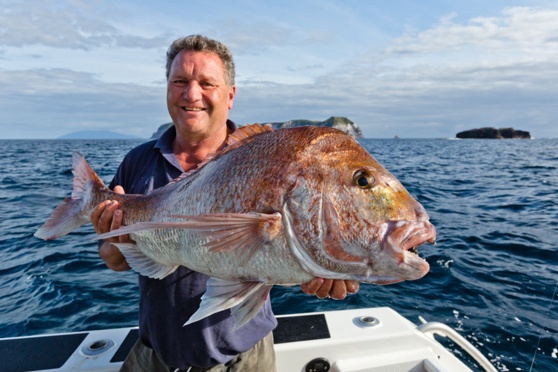
New Bait & Berley Fishing Tricks
September 2026Most of the anglers from my generation cut their fishing teeth on bait and berley, learning from a variety of mentors. My start came courtesy of... Read More >

Review: The Yamaha F115
September 2026In the fiercely contested outboard engine market, manufacturers are constantly chasing marginal gains in power, fuel efficiency, weight reduction, and technology. Yet despite the relentless pace... Read More >