
How to Fish the Anchovy Run

Every autumn, something remarkable happens along the northeast coast of New Zealand. The water darkens, the surface ripples, and the sea seems to pulse with life. Anchovies – tiny, silver, fast-moving – gather in huge schools that can stretch for hundreds of metres. They move more like a single organism, one living being twisting and tightening as underwater predators push them towards the surface, towards aerial predators.
For many anglers, the anchovy run is the most exciting inshore event of the year, bringing a lot more fish close enough to shore for kayak, dinghy and landbased anglers to get into some exciting and intense action. It’s a natural spectacle that brings snapper, kahawai, kingfish, dolphins, gannets, and even big bronze whaler sharks into a feeding frenzy. But beneath the chaos is a beautifully structured ecological event – one that rewards anglers who understand the what, where, when, why, and how of this seasonal migration.
This article unpacks the anchovy run from both a biological and a practical fishing perspective and explores how modern tackle and light-gear techniques can turn this seasonal event into some of the most rewarding fishing of the year, for young and old.
What exactly is the anchovy run?
New Zealand anchovies (Engraulis australis) are small, schooling baitfish that form a crucial part of the marine food chain. They spawn in coastal waters during late summer and autumn, and as the season progresses, the juvenile schools consolidate into dense, fast-moving masses – in fishing lingo, ‘bait balls’.
These schooling fish are highly nutritious – rich in healthy oils, soft-bodied, and easy for predators to scoff in large numbers and digest. That makes them irresistible and a highly sought-after meal to almost every pelagic and inshore predator along the coast, Hauraki Gulf and beyond.
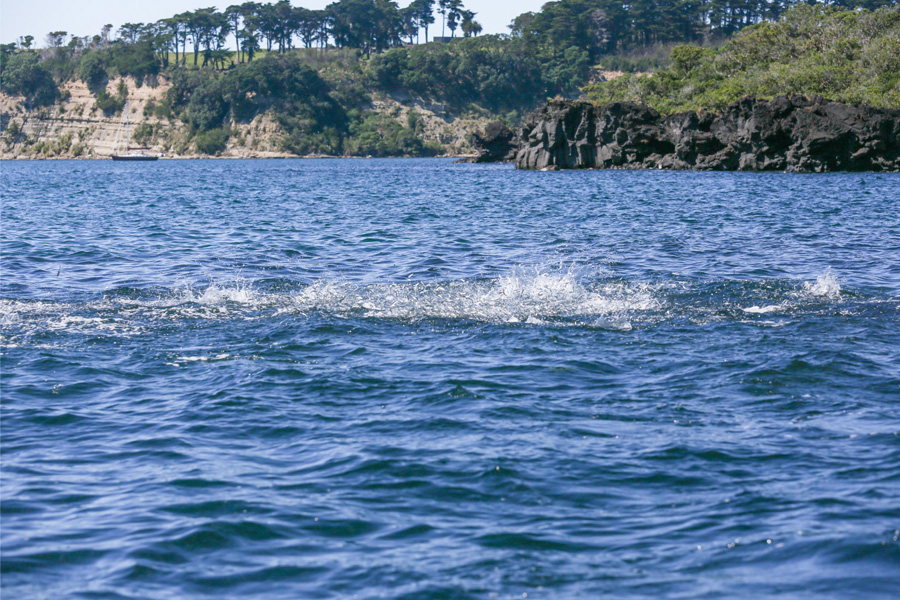
Beneath the chaos is a beautifully structured ecological event.
The ‘run’ isn’t a single migration like salmon returning to rivers. Instead, it’s a shifting aggregation driven by water temperature, plankton availability, and predator pressure. When conditions align, the anchovies push inshore, often hugging coastlines, reefs, and bays. This is when anglers encounter the classic surface workups: thousands of sea birds, like shearwaters and petrels, skimming the surface; white terns diving wildly; gannets pummelling the surface; kahawai and mackerel splashing; and even kingfish circling, often with snapper feeding underneath or close behind a fast-moving bait ball. Excitement plus!
Want to read more?
Unlock this article & all NZ Fishing News Premium content by subscribing for only
$9.99 every 3 months
Latest Premium Articles
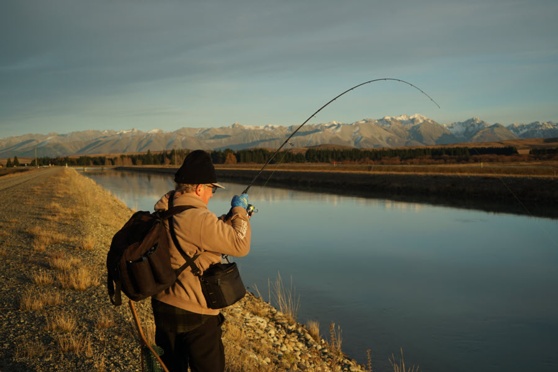
Monster South Island Canal Trout
September 2026Okay, I agree, some of the Mackenzie Country canal brown and rainbow beasts are grossly overweight and lack attractive symmetry, having tiny bullet heads, barrel-like bodies,... Read More >
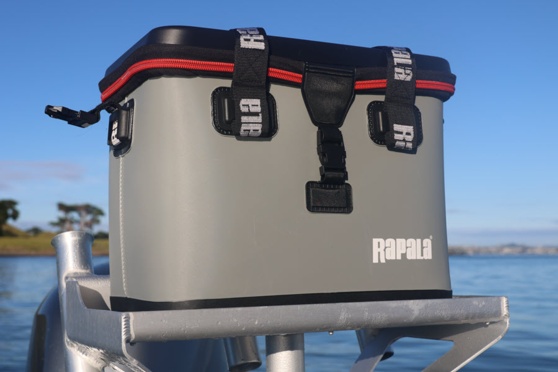
Rapala Hydro Tackle Storage System
September 2026Every angler knows the frustration of opening a tackle bag and seeing a mess. Wet tackle, rusted hooks, or tangled lures slow down your fishing. Whether... Read More >

Spiced, Grilled Kaimoana with Parsley Drizzle
September 2026Seafood on the BBQ is one of my favourite things to cook when I want something quick, easy, and packed with flavour, and this recipe is... Read More >

Garmin Force Kraken + LiveScope Review
September 2026On the NZ Fishing News Proline Alloy 1860HT, Garmin’s Force Kraken trolling motor and LiveScope sonar system together create an integrated fishing platform that allows us... Read More >
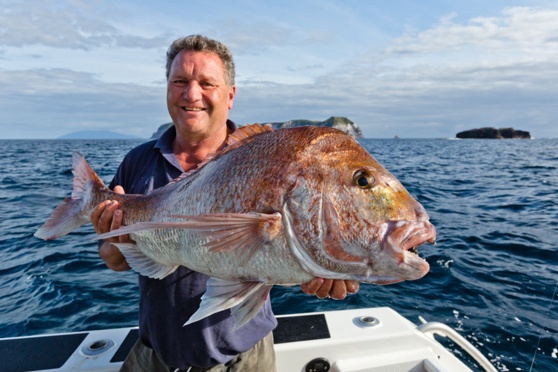
New Bait & Berley Fishing Tricks
September 2026Most of the anglers from my generation cut their fishing teeth on bait and berley, learning from a variety of mentors. My start came courtesy of... Read More >

Review: The Yamaha F115
September 2026In the fiercely contested outboard engine market, manufacturers are constantly chasing marginal gains in power, fuel efficiency, weight reduction, and technology. Yet despite the relentless pace... Read More >